
Blooming
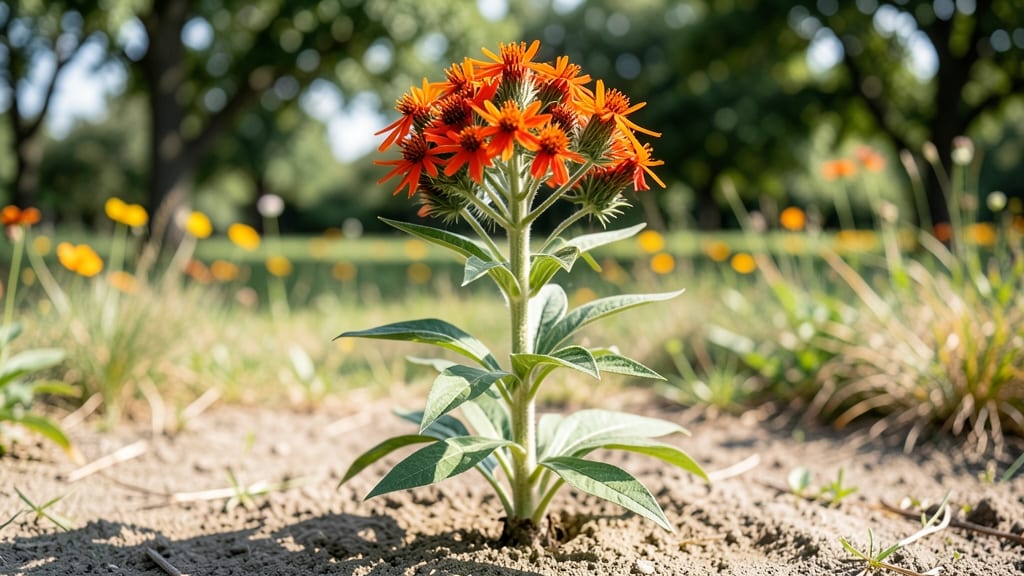
Asclepias tuberosa blooms when the heat triggers its stunning orange flowers 🦋—typically between late spring and early summer, but the exact timing depends on your USDA zone and microclimate.
If you’ve planted Butterfly Weed only to wait impatiently for its vibrant blooms, you’re not alone. Unlike most perennials, this drought-resistant beauty doesn’t follow a strict seasonal schedule. Instead, it bursts into flower when temperatures consistently hit 85°F+, making bloom time unpredictable without the right tricks.
In Zone 6a and cooler regions, expect blooms to arrive in June or July, while warmer zones like Texas may see flowers as early as May—or even a second flush in fall.
The key to encouraging reliable blooms lies in understanding heat thresholds, soil conditions, and a few simple care adjustments.
Below, I’ll break down how to predict your Butterfly Weed’s bloom window, plus 5 proven tricks to extend or advance those eye-catching clusters—so you’re never left wondering when the show will start.
When Asclepias tuberosa blooms by USDA Zone: heat-triggered timelines
Asclepias tuberosa—commonly called butterfly milkweed—isn’t like most perennials that bloom on a seasonal calendar. Instead, its orange flower clusters erupt when soil temperatures hit 85°F or warmer, making it a heat-loving plant that thrives in the right conditions. This unique trait means bloom times vary dramatically across USDA zones 3 through 10, with some regions even seeing two bloom cycles per year. Understanding these patterns helps you anticipate—and even encourage—its stunning displays.
In warmer zones (8–10), like Texas or Florida, butterfly milkweed often blooms twice annually: once in late spring and again in early fall after heat waves.
Meanwhile, in cooler zones (3–6), such as New England or the Midwest, you might see just one bloom window in mid-to-late summer, triggered by prolonged heat. Microclimates—like urban heat islands or south-facing slopes—can shift these timelines by weeks or even months.
Gardeners in Texas report their plants blooming as early as April, while those in New England (Zone 5) often wait until July or August for the first flush of flowers. The key difference? Consistent soil warmth.
In hotter climates, the plant responds faster to heat cues, while cooler regions need prolonged warmth to kickstart flowering. Here’s how these timelines break down by zone:
| USDA Zone | Primary Bloom Window | Secondary Bloom (If Applicable) | Heat Trigger | Notes |
|---|---|---|---|---|
| Zones 3–4 | Late July–August | None | Soil ≥85°F for 2+ weeks | Slow to establish; mulch helps warm soil. |
| Zones 5–6 | June–July | September (mild zones) | Consistent 80°F+ days | Urban areas bloom earlier due to heat islands. |
| Zones 7–8 | April–May | August–September | Spring: 75°F+; Fall: 85°F+ | Drought stress can delay blooms; water deeply. |
| Zones 9–10 | March–April | October–November | Year-round heat; minimal dormancy | May bloom continuously with ideal conditions. |
If you’re in Zone 5 or 6, like many gardeners in the Midwest, your butterfly milkweed likely needs a prolonged heat wave to bloom. For example, in Chicago (Zone 5), plants often wait until mid-July when soil temperatures finally climb above 80°F.
In contrast, Texas gardeners (Zone 8–10) see blooms as early as March, with a second flush in fall if temperatures stay warm. This variation highlights why soil thermometers are a game-changer—they help you track when your plant is ready to flower.
One common misconception is that Asclepias tuberosa blooms strictly in summer. However, in warmer climates, it can produce two distinct bloom cycles: one in spring and another in fall. This happens because the plant resets its internal clock after a heat-induced dormancy period.
To encourage this behavior, avoid heavy pruning after the first bloom, as the plant relies on stored energy to produce a second flush. Instead, trim spent blooms lightly to redirect energy to new growth.
Microclimates play a huge role in bloom timing. For instance, a south-facing slope in Zone 6 might trigger blooms 3–4 weeks earlier than a shaded garden bed. Similarly, urban areas with paved surfaces retain heat longer, often resulting in earlier and longer bloom periods.
If you’re in a cooler zone but want to advance blooms, try planting near a dark-colored wall or black plastic mulch to warm the soil faster.
Real-world data from gardeners shows that drought stress can actually delay blooms.
5 Proven tricks to extend or advance butterfly milkweed blooms
Want your Asclepias tuberosa to burst into vibrant orange blooms earlier—or keep flowering longer? The secret lies in mimicking its natural heat triggers and adjusting care to match your local microclimate.
Whether you're in a hot urban heat island or a cool rural valley, these tricks will help you take control of the bloom window. Start with the basics: this plant thrives on heat and neglect, but a few strategic tweaks can make all the difference.
First, understand that butterfly milkweed responds to soil warmth more than calendar dates. In USDA Zones 7–10, blooms often appear by late May to June, while Zones 3–6 may wait until July or August.
The key? Warm roots faster and reduce stress during critical growth phases. Let’s dive into the top 5 methods to advance or extend those stunning clusters.
Use Black Plastic Mulch
Lay black plastic mulch around the base in early spring to warm roots 3–5°F faster. Ideal for urban gardens with heat-reflective surfaces.
Prune After First Bloom
Cut back 1/3 of stems right after the first orange bloom fade. This encourages reblooming in Zones 7+ by redirecting energy.
Amend Soil with Sand
Mix in coarse sand (20%) to improve drainage. Heavy clay soils delay blooming by keeping roots too wet.
Water Deeply, Infrequently
Soak roots once weekly in summer (not daily!). Shallow watering stresses plants and delays flowering.
Avoid Fertilizer Overload
Too much nitrogen = leafy growth, no flowers. Use a low-N fertilizer (5-10-10) once in spring only.
For urban gardeners, black plastic mulch is a game-changer—it mimics the heat island effect by trapping sunlight near roots. In rural areas, focus on pruning and soil drainage to compensate for cooler microclimates.
Pro tip: Group plants together to create a shared heat zone, which can advance blooms by up to 2 weeks in cooler zones.
Timing is everything with Asclepias tuberosa. If you’re in Zone 5 or colder, hold off on mulching until late May to avoid overheating roots before the soil warms naturally.
Conversely, Zone 8+ gardeners can start mulching as early as March to trigger earlier blooms. Always monitor soil temperature with a thermometer—aim for 70°F+ at root level to kickstart flowering.
Remember, butterfly milkweed is a low-maintenance superstar, but these tweaks can turn one bloom into two or extend the show by 4–6 weeks. Start with one trick this season—like mulching or pruning—and watch your orange blooms transform your garden into a butterfly buffet all summer long. 🦋