
Blooming
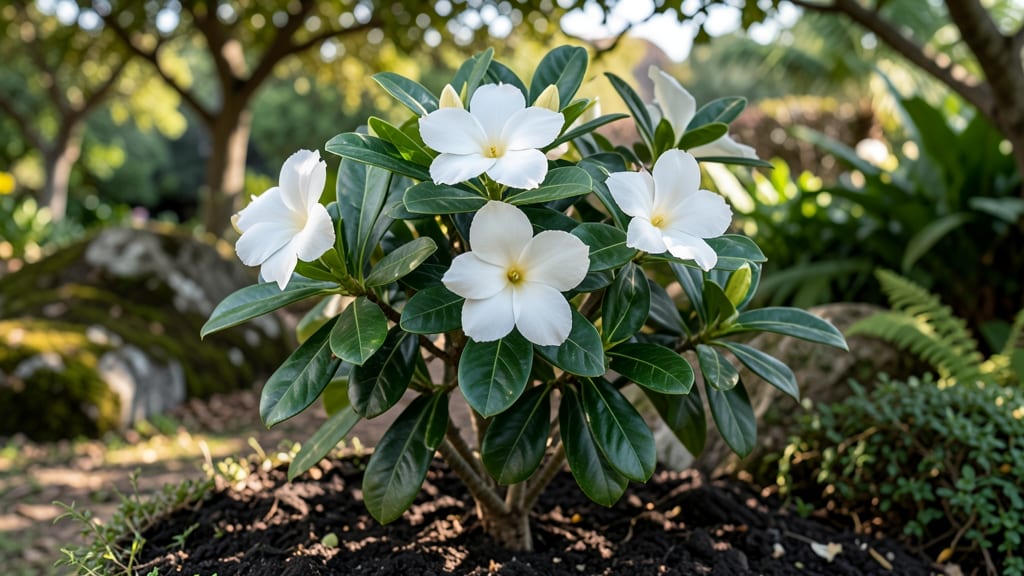
Gardenia blooms in Zone 9 typically arrive between late spring and early summer, with the exact timing depending on your microclimate and variety.
If you’re dreaming of fragrant gardenias blooming in your Zone 9 garden, timing is everything—miss the window, and you might wait another year for those intoxicating white flowers. But with the right variety and care, you can enjoy gardenia blooms twice a year in this warm climate.
Most gardenias 🌸 in Zone 9 kick off their first flush of blooms in May, with a second, lighter show in late summer if conditions are ideal. Coastal areas often see blooms 2-3 weeks earlier than inland spots, thanks to milder winters and consistent moisture.
Below, I’ll break down the exact bloom windows for popular varieties, how to nudge your gardenias into flowering earlier (or later), and the 3 biggest mistakes that keep them from blooming at all.
Gardenia bloom seasons in Zone 9: exact months by variety
If you’ve ever wondered when gardenias bloom in Zone 9, the answer depends on both the variety and your local microclimate.
Unlike cooler zones where gardenias need winter dormancy to trigger blooms, Zone 9’s mild winters create opportunities for two bloom cycles per year—if you choose the right types and care for them properly. The key is understanding how temperature shifts and humidity levels influence each variety’s timing.
Coastal areas with moderate winters (like San Diego or Santa Barbara) often see blooms earlier than inland regions (such as Phoenix or Las Vegas) due to milder nighttime temperatures. Inland gardenias may wait until warmer spring air arrives to push buds, sometimes delaying blooms by 3-4 weeks.
Let’s break down the exact months for popular varieties so you can plan your garden’s fragrance schedule.
For coastal Zone 9 gardens, the first bloom cycle typically kicks off in late winter (January-February) when daytime temperatures hover around 65-70°F and nights stay above 50°F. The second flush arrives in fall (September-October) as temperatures begin cooling again.
In these areas, ‘Kleim’s Hardy’ and ‘Radicans’ are top performers because they adapt well to cooler maritime conditions.
Inland Zone 9 gardens experience hotter, drier summers and slightly cooler winters, which can delay blooms by 2-4 weeks. Here, gardenias often wait until spring’s warmer air (March-April) to bloom, with a secondary cycle in late fall (October-November).
Varieties like ‘Veitchii’ may even skip the fall blooms if summer heat lingers too long. To encourage inland gardenias, I recommend light pruning after the first bloom
How to force gardenias to bloom earlier or later in Zone 9
Zone 9 gardeners know the struggle—your gardenias might bloom once a year, but what if you could coax them into flowering twice? The secret lies in strategic pruning, light manipulation, and timed fertilization.
Gardenias thrive in warm climates, but their natural bloom cycles often align with spring. With these techniques, you can push blooms into summer or even late fall for extended fragrance.
First, understand that gardenias respond to temperature shifts and day length. In Zone 9, where winters are mild, they may not get the natural dormancy signal they need. By mimicking seasonal changes—like a brief chill period or adjusted sunlight—you can trick your plants into blooming on your schedule.
The key is gentle intervention to avoid stressing the shrub.
Step-by-Step Guide to Adjust Blooming Times
- 1 Prune after first bloom: Cut back 1/3 of the oldest stems right after your gardenia finishes its natural spring bloom. This encourages new growth that will flower again in 6-8 weeks. Use sharp, sterilized shears to avoid disease.
- 2 Simulate winter chill: If your gardenia blooms late, place it in a cool (50-55°F) location for 4-6 weeks in late summer. This mimics dormancy and triggers fall blooms. Coastal Zone 9 areas may need artificial cooling, while inland spots can use shade cloth.
- 3 Adjust sunlight for early blooms: Move potted gardenias to a sunnier spot (6+ hours of light) in late winter to jumpstart growth. For in-ground plants, thin nearby foliage to increase light exposure. Aim for morning sun only to prevent leaf scorch in Zone 9’s intense afternoons.
- 4 Fertilize at the right time: Use a balanced 10-10-10 fertilizer in early spring to encourage blooms, then switch to a low-nitrogen, high-phosphorus (5-10-10) formula in summer to extend flowering. Apply every 6-8 weeks during active growth, but avoid fertilizing in winter.
- 5 Water deeply but less often: Reduce watering slightly in late summer to stress the plant enough to trigger blooming. Let the top 1-2 inches of soil dry between waterings, then soak thoroughly. Mulch with 2-3 inches of organic matter to retain moisture and regulate soil temperature.
Timing is critical when forcing gardenias to bloom outside their natural cycle. For example, if you prune in early April, you’ll likely see a second flush of blooms by June.
Conversely, a late-summer chill treatment can produce fragrant flowers in September or October, just in time for fall weddings or holiday decor. My ‘Kleim’s Hardy’ gardenia in a coastal Zone 9 garden blooms twice a year using these steps!
Remember, gardenias are sensitive to over-manipulation. If you push them too hard—like fertilizing during dormancy or pruning at the wrong time—you risk leaf drop or no blooms at all.
Start with one technique at a time, and monitor your plant’s response. Patience and observation are key to achieving that year-round fragrance without stressing your shrub.
Pro tip: Keep a gardening journal to track your gardenia’s blooming patterns. Note the dates you prune, fertilize, and adjust sunlight. Over time, you’ll refine your approach to match your local Zone 9 microclimate—whether you’re in coastal San Diego or inland Phoenix.
With consistency, you’ll have gardenias blooming when you want them, not just when nature dictates.