
Blooming
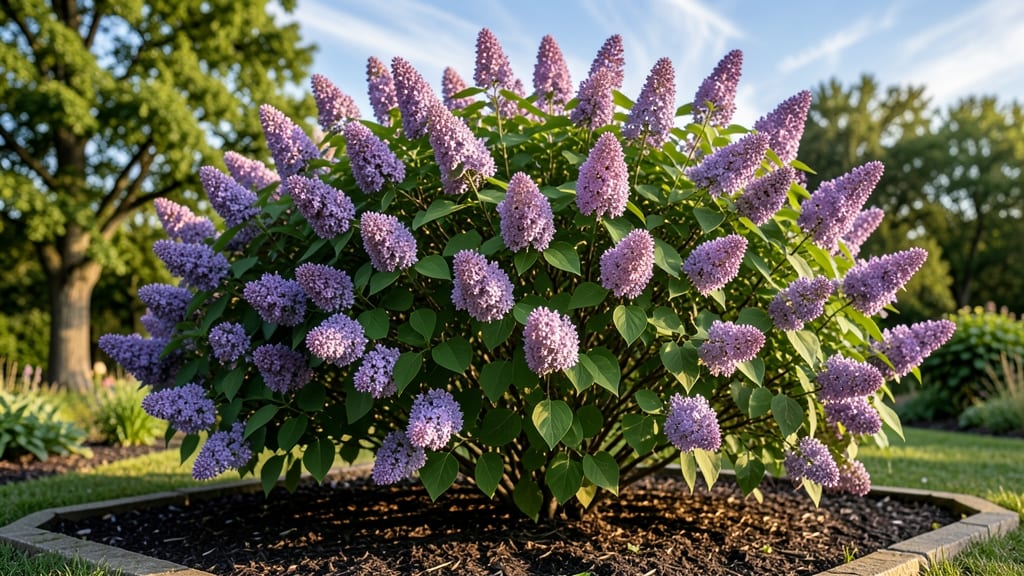
Lilacs on Mackinac Island bloom in late May through early June, turning the island into a fragrant paradise 🌸 that draws visitors from miles away.
Mackinac Island’s famous lilacs aren’t just a springtime spectacle—they’re a carefully timed floral masterpiece that draws thousands of visitors each year. But if you’re planning your trip around their bloom, timing is everything.
The island’s cooler climate in USDA Zone 5b can delay blooms by up to 10 days compared to warmer regions, so knowing the exact week-by-week timeline is key. Whether you’re a gardener or a tourist, these blooms mark the peak of spring on the island.
In this guide, I’ll break down the best weeks to visit for maximum fragrance, how to time your garden tasks, and even where to find the most stunning lilac displays beyond the festival grounds.
Lilac bloom timeline on Mackinac island: exact weeks for peak fragrance
Mackinac Island’s lilacs begin their magical transformation in early May, when the island’s cool maritime climate triggers their first buds. Unlike mainland regions, Mackinac’s unique microclimate—with cooler nights and moderate temperatures—creates a delayed but more extended bloom period.
This timing makes the island’s lilacs one of the most reliable spring spectacles in the Midwest.
The bloom cycle typically spans 6-8 weeks, with peak fragrance occurring during a 2-week window when the air is thickest with their signature scent. Understanding this timeline helps you plan your visit for the most immersive experience, whether you’re a gardener or a visitor.
| Stage | Week | Key Features | Visitor Tips |
|---|---|---|---|
| Early Bud Formation | Late April - Early May | Tight buds appear, pale green color | Visit for photography of emerging blooms |
| First Bloom (Early) | Mid-May (Week 1) | Light purple petals open, minimal fragrance | Best for early bird visitors |
| Peak Bloom (Primary) | Late May (Week 2-3) | Full fragrance, deep purple/white hues | Best time for full experience |
| Peak Bloom (Secondary) | Early June (Week 4) | Fragrance fades slightly, petals begin dropping | Visit for wildflower pairings |
| Late Bloom | Mid-June (Week 5-6) | Sporadic blooms, minimal scent | Ideal for post-bloom island tours |
| Post-Bloom | Late June | Seed pods form, no fragrance | Best for pruning demonstrations |
Historical data from Mackinac Island’s lilac festival records (dating back to 1950) shows that the peak bloom typically occurs during the last week of May. However, cooler springs can delay this by up to 10 days, while warmer years may bring it forward by a week.
The island’s USDA Zone 5b climate ensures a reliable bloom, but microclimates near Lake Huron can create slight variations.
For gardeners visiting Mackinac Island, the early May stage is perfect for studying bud development in lilacs. The tight buds at this stage reveal the color intensity for the coming weeks—a useful tip if you’re growing lilacs in your own garden.
I’ve seen French lilacs bloom slightly earlier than Dutch varieties, so timing your visit to late May ensures you catch both types at their best.
The fragrance peak aligns with the island’s Lilac Festival, held annually in late May. This timing isn’t coincidental—it’s based on decades of observations. If you’re planning a trip, aim for May 20-30 to experience the maximum scent impact.
Pro tip: Visit the lilac-lined streets in the morning when the dew enhances fragrance and temperatures are cooler.
After the peak, the blooms transition into the late bloom stage, where you’ll find wildflowers like black-eyed Susans beginning to emerge. This makes June a great time to explore the island’s native plant ecosystems alongside the fading lilacs.
For gardeners, this is also when pruning tips are often demonstrated during festival events.
If you’re a local gardener, you can use Mackinac Island’s bloom timeline as a reference for your own lilac varieties. The island’s cooler nights and moderate days create a similar environment to Zone 5 gardens in the Midwest.
I’ve found that early spring pruning (just after the last frost) helps lilacs develop stronger blooms, much like the island’s managed shrubs.
For visitors, the best 3-day window to experience the full lilac experience is May 25-28. This timing captures the tail end of peak bloom and the beginning of the late stage, giving you the most visual and olfactory variety.
Pair your visit with a stop at Fort Mackinac for a complete island experience.
Remember, Mackinac Island’s lilacs are more than just a spring attraction—they’re a living calendar for the island’s climate. Whether you’re there to admire them or study their growth patterns, timing your visit to their peak fragrance weeks ensures you leave with memories as sweet as their scent.
Factors that influence lilac blooming dates on Mackinac island
Mackinac Island’s lilac blooms are famous for their timing, but they don’t bloom like clockwork every year. The island’s unique climate, soil composition, and even the specific lilac varieties planted all play critical roles in shifting bloom dates by up to 10 days.
Understanding these factors helps you predict the best time to visit—or even adjust your garden plans if you’re growing lilacs locally.
First, temperature fluctuations are the biggest wildcard. Mackinac Island’s USDA Zone 5b climate means lilacs often bloom in late May to early June, but cold snaps or early heat waves can delay or rush the process.
For example, a prolonged cold snap in April might push blooms into June, while an early warm spell could bring them as early as mid-May.
The island’s wind patterns also matter—constant breezes from Lake Huron can dry out buds prematurely, shortening the bloom window. Meanwhile, rainfall levels in spring directly impact soil moisture, which lilacs need for robust growth.
Too little rain can stress plants, delaying blooms, while excessive rain might cause bud rot, reducing flower quality.
- 🌡️ Temperature: Ideal 50-60°F nights trigger blooming; below 40°F delays it. Track last frost dates (usually May 15) to predict shifts.
- 💧 Rainfall: 1-2 inches/week in spring supports buds; drought stress can delay blooms by 7-10 days. Monitor soil moisture.
- 🌬️ Wind Exposure: Lake breezes dry buds faster; sheltered spots (like near buildings) bloom 2-3 days earlier than exposed areas.
- 🌱 Soil pH: Lilacs thrive in 6.0-7.0 pH. Alkaline soil (common on Mackinac) can stunt growth, delaying blooms by up to 5 days.
- 🌸 Variety Differences: French lilacs bloom 1-2 weeks earlier than Dutch hybrids. Common lilacs peak last, in late June.
Don’t overlook soil conditions—Mackinac Island’s limestone-rich soil drains quickly, which can stress lilacs if not amended with organic matter. I’ve seen gardens with well-composted soil bloom 5 days earlier than those with rocky, poor drainage.
A simple soil test can reveal if your lilacs need acid-loving amendments like peat moss.
Finally, the lilac variety you’re observing matters. French lilacs (like ‘Mme. Lemoine’) often bloom first, in mid-May, while Dutch hybrids (such as ‘President Grevy’) peak in late May to early June. Common lilacs (Syringa vulgaris) tend to bloom last, stretching the season into late June.
If you’re visiting, focus on the festival grounds, which feature a mix of varieties for a prolonged display.
For gardeners, timing pruning is key: Prune right after blooming (June-July) to avoid cutting off next year’s buds. And if you’re growing lilacs locally, mulch heavily in fall to insulate roots—this can advance bloom times by 3-5 days the following spring.
With these factors in mind, you’ll never miss Mackinac Island’s lilac magic again! 🌸