
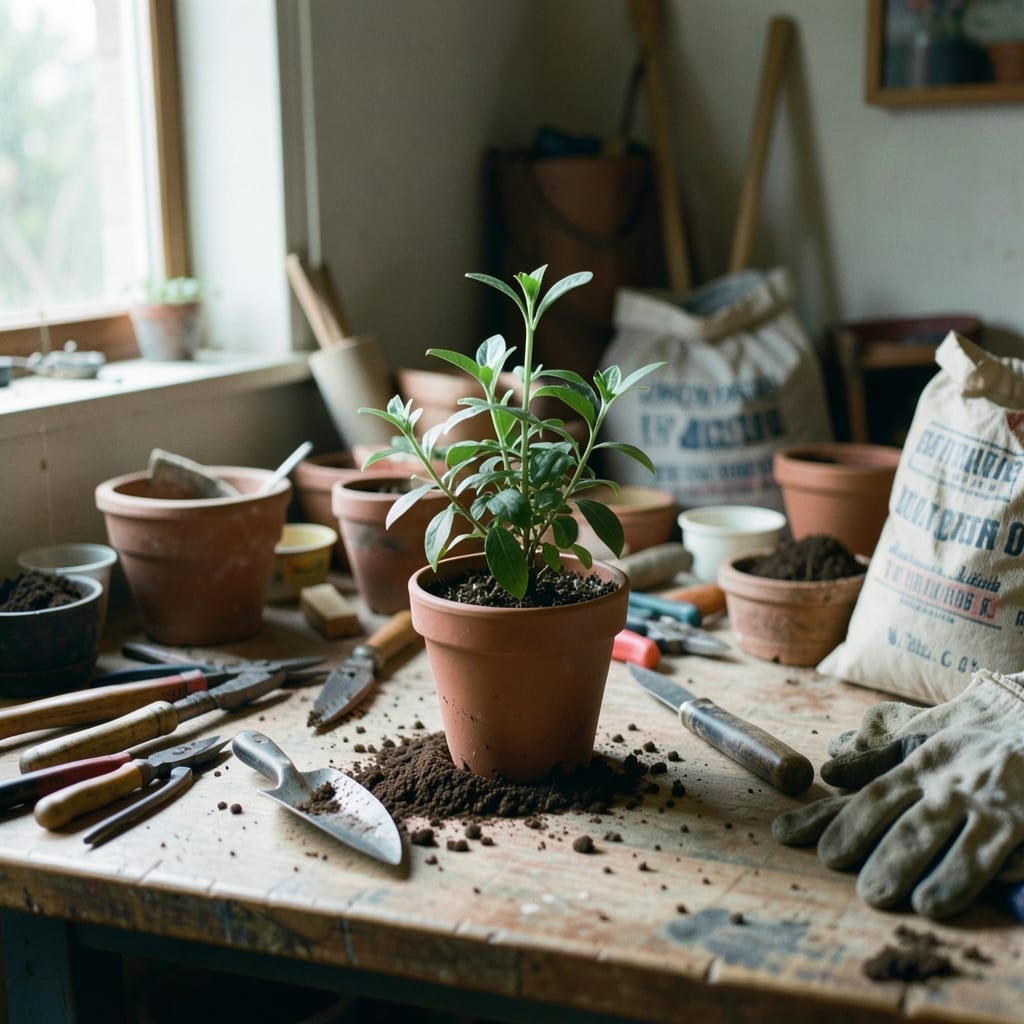
It started with one tomato plant that refused to fruit
It was 2007, and I was eight years old. My dad had given me a packet of cherry tomato seeds—‘Sweet 100’—and I planted them in a plastic cup on the windowsill. The first sprouts came up in three days, bright green and eager.
I watered them every morning, turning the cup to make sure the light hit them evenly. By the time they were six inches tall, I’d moved them into the garden bed, where the soil was loose and warm.
The plant thrived. It grew fast, climbing the twine I’d tied to the fence, and I spent every afternoon checking for flowers. But after three weeks, nothing. Just more leaves, thicker and greener, while the neighbor’s plants down the street were already red with fruit.
I asked my dad what was wrong, and he said, ‘Maybe it needs more sun.’ So I moved it to the hottest spot in the yard, right up against the brick wall.
The leaves curled. The stems turned yellow at the edges. I watered less, then more, then less again. I even tried pinching off the biggest leaves to ‘encourage’ the plant to focus on fruit. Nothing changed.
The other plants in the garden—peppers, basil, even the zucchini—were heavy with produce, but mine stayed stubbornly green. By August, it was clear: this plant was never going to give me a single tomato.
Nine tries before it finally ripened
The next spring, I bought a new packet of seeds. Same variety, same cup, same windowsill. Same result: no fruit. I tried a different spot in the garden, richer soil, even a homemade fertilizer mix of banana peels and coffee grounds.
The second plant grew taller than the first, but the flowers dropped off before they could set. By the third attempt, I was keeping a notebook, tracking sunlight hours, soil pH, and the exact day each flower appeared.
The fourth plant did better—it held onto its first blossoms—but the fruits that formed were pale and mealy inside. I researched online and learned about ‘blossom end rot,’ so I adjusted the watering and added crushed eggshells to the soil.
The fifth plant produced a single cherry tomato, but it split open before it ripened. The sixth plant grew in a pot on the balcony, where I could monitor it hourly. Still, no luck.
Then, in my seventh try, I noticed something: the plant was flowering at the very top, but the lower stems were bare. I pruned the top growth to encourage side shoots, and suddenly, the plant burst into a dozen new blossoms.
I covered them with cheesecloth to protect them from bees (a lesson learned from another gardener’s advice), and by mid-July, the first tiny tomatoes appeared. They were green and hard, but they were *there*.
The eighth plant grew in a raised bed with a mix of compost and sand, and this time, the tomatoes turned pink before stalling. I researched more and realized the issue might be temperature—too hot during the day, too cool at night.
So I moved the ninth plant to a spot with dappled shade in the afternoon. It thrived. By late August, it was heavy with red, plump cherries, sweet and juicy, just like the ones in the grocery store but better.
The mind behind these pages

That ninth tomato plant was the one that changed everything. I was sixteen by then, and I’d spent three summers chasing the same failure, only to finally understand what the plant needed.
My dad had always told me gardening was about paying attention, but that summer, I realized it was also about persistence. Not the stubborn kind—like watering a plant until its roots rot—but the kind that learns from every mistake.
I’ve spent my life doing things nine times before they work: learning an instrument, fixing a car, even writing a story that finally lands right. My grandmother used to say I had ‘the patience of a saint and the stubbornness of a mule,’ and she wasn’t wrong.
But it’s that stubbornness, tempered by attention, that makes this site what it is. Every tip, every failure, every small victory here is something I’ve lived through myself—or something I’ve learned from someone who has.
I still grow tomatoes every year. Some years, they thrive. Other years, they struggle, and I have to start over. But I never stop trying. That’s the lesson I want to share: gardening isn’t about perfection. It’s about the soil remembering what it took to get there.
This site is for anyone who’s ever planted a seed and wondered if it would ever grow. Whether you’re a beginner or a seasoned gardener, there’s always something new to learn—and sometimes, the most important lesson comes from the things that fail.
Everything here is written the way that plant was
Every page on *Bloom Story* starts with a failure—or at least, a question. I don’t write about a plant until I’ve grown it three times, adjusted for sunlight, soil, and season.
The first draft of a post is usually messy: notes scribbled in a notebook, photos of wilted leaves, and a timeline of what went wrong. The second draft is where the real work begins—narrowing down the variables, testing again, and only then, writing it all down.
Some pages sit for months while I wait for the right season to test again. A guide on growing peppers in containers might need a full year of trials, from a scorched first attempt in July to a thriving plant in September.
The goal isn’t to have all the answers; it’s to show the process. That’s why you’ll find as many ‘what didn’t work’ sections as ‘what did.’ Gardening isn’t about shortcuts—it’s about understanding the soil, the weather, and the plant itself.
This site exists because of that one stubborn tomato plant. It taught me that the best advice comes from the things that almost didn’t work—and that’s what you’ll find here. No fluff, no assumptions, just the lessons learned from the dirt, the sweat, and the occasional failure.
What that means for you
You’ll find no ‘foolproof’ methods here—only real experiences, real mistakes, and real solutions. If a tip doesn’t work for you, that’s okay. Gardening is about adapting, just like that tomato plant taught me. Every post is a starting point, not a rule.
What you *won’t* find are quick fixes or perfect conditions. This site is for the rest of us—the people who plant seeds in May and wonder why they don’t sprout until June, or who forget to water and still end up with a harvest.
That’s the kind of gardening I know, and it’s the kind I want to share.
Send me a photo and a note about what you’ve tried so far. Sometimes the answer is in the soil, sometimes in the season—and sometimes, it’s just a matter of waiting a little longer.
The guides are grouped by category: Advice, Aphids, Blooming, Companion Plants, Container Gardens and Diseases.