
Blooming
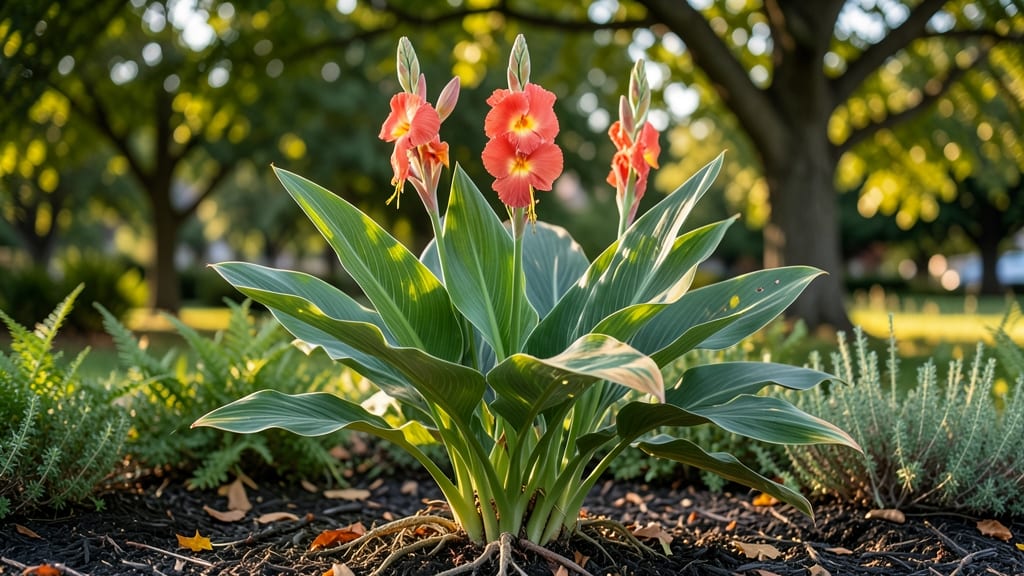
The canna bloom time can feel like an eternity when you’re waiting for those bold, tropical flowers to appear after lush green leaves take over. If you’ve ever stared at your plants wondering, "Why aren’t my cannas blooming?"—you’re not alone.
The secret isn’t just patience; it’s understanding how heat triggers work for your specific variety, which can shave weeks off your wait time.
From USDA Zone 6 gardens to warmer climates, bloom times vary wildly—some cannas burst into color in 90 days, while others need 150 days of steady warmth. The right sunlight, soil, and even a little pruning can push those timelines earlier.
Here’s how to decode your canna’s heat needs, spot early bloom signs, and keep those flowers coming all summer long—without overwatering or over-fertilizing (the two biggest bloom killers).
How heat triggers work: the science behind Canna bloom time
Canna lilies don’t bloom on a schedule—they respond to heat triggers that kickstart their flowering cycle. Think of it like a biological thermostat: when daytime temperatures hit 70–90°F consistently, combined with cooler nights (ideally 55–65°F), your cannas send signals to produce flower buds.
This process is called thermoperiodism, where temperature shifts act as a cue for blooming. Without these triggers, your plants may stay lush but leafy, delaying—or even preventing—those vibrant blooms you love.
Not all cannas react the same way. Canna × generalis (the most common hybrid) thrives in the 75–85°F range, while Canna indica varieties often bloom earlier in partial shade because they’re adapted to tropical understory conditions.
Even a 5°F difference in nighttime temps can shift bloom time by 2–3 weeks. Understanding these nuances is the key to unlocking earlier—and more abundant—flowers in your garden.
| Canna Type | Daytime Heat Trigger (°F) | Nighttime Chill Requirement (°F) | Bloom Time Window | Sunlight Needs |
|---|---|---|---|---|
| Canna × generalis (Hybrids) | 75–85°F | 55–65°F | 90–120 days post-planting | Full sun (6+ hours) |
| Canna indica (Tropical Types) | 70–80°F | 60–70°F | 75–100 days post-planting | Partial shade (4–6 hours sun) |
| Canna flaccida (Dwarf Varieties) | 65–75°F | 50–60°F | 60–90 days post-planting | Full sun to partial shade |
The 70–90°F daytime range is critical because it activates florigen proteins in canna leaves, which travel to the meristem (growth points) and trigger bud formation. However, if nights stay too warm (above 70°F), the process stalls, leaving you with leafy but non-flowering plants.
This is why cannas in USDA Zones 8–10 often bloom earlier—they experience the perfect balance of daytime heat and cooler evenings naturally.
Partial shade can actually speed up blooming for some varieties, like Canna indica, because it reduces heat stress on the roots. Too much direct sun in hot climates (above 95°F) can cause heat shock, where the plant diverts energy to cooling itself instead of flowering.
If you’re in a hot, dry zone, consider providing afternoon shade to protect your cannas while still meeting their 6+ hours of sunlight requirement.
Another often-overlooked factor is soil temperature. Cannas need soil to warm to 65°F or higher before they’ll actively grow—and bloom. In cooler regions, planting in black plastic mulch can raise soil temps by 5–10°F, giving you a 2–4 week head start on blooming.
This is especially useful for short-season gardeners who want to enjoy cannas before the first frost.
If your cannas are leafy but not blooming, check these three things first: daytime temps (are they hitting 70°F+?), nighttime chill (are nights dropping below 70°F?), and fertilizer balance (too much nitrogen = no flowers).
A low-phosphorus fertilizer (like 5-10-10) can also help shift energy toward blooms instead of foliage. The goal is to create the right temperature + nutrient balance for your specific canna variety.
Pro tip: If you’re in a cooler climate, try planting heat-loving varieties like ‘Pactolus’ or ‘Durban’ near a south-facing wall or in containers that absorb and radiate heat. Even a 5°F boost from reflected sunlight can make the difference between no blooms and a full summer display.
Monitor your plants closely in early summer—once you see buds forming, you’ve cracked the heat trigger code!
Remember, cannas are tropical plants at heart, so they’re sensitive to sudden temperature swings. A hard frost or unexpected heatwave can disrupt their bloom cycle entirely. In Zone 7 or cooler, treat cannas as annuals or dig up rhizomes before frost to force early blooms the following year.
The more you understand their heat-dependent biology, the more control you’ll have over their bloom time.
🌸
Variety-specific bloom timelines: fastest-blooming cannas ranked by heat needs
Not all cannas bloom at the same pace—some varieties like ‘Striped Forever’ burst into color in just 45 days, while others need 90 days of warmth.
The difference? Heat triggers—each variety has a sweet spot for daytime highs (typically 75–95°F) and nighttime lows (above 60°F) that kickstart flowering. Understanding these thresholds lets you predict bloom windows and even accelerate flowering in cooler zones.
For example, ‘Wyoming’ cannas thrive in USDA Zone 7+ and often bloom 60–75 days post-planting when daytime temps hit 85°F+. Meanwhile, ‘Pactolus’—a cooler-climate favorite—may take 75–90 days but rewards you with earlier blooms in partial shade.
Let’s break down the top 10 fastest-blooming varieties and their heat needs to help you choose the perfect match for your garden.
If you’re in Zone 6 or cooler, focus on ‘Pactolus’ or ‘Durban’, which tolerate partial shade and bloom reliably when nights stay above 55°F. For southern gardens (Zone 8+)>, ‘Striped Forever’ and ‘Wyoming’ will explode into color by early summer if planted after April 15.
My Zone 7 garden thrives with ‘President’—its deep red blooms appear by mid-July every year when I fertilize with phosphorus-rich food (like 10-20-10) at planting.
To force earlier blooms, try these heat-hacking tricks: - Container growing: Use black pots to absorb heat and plant 2 weeks earlier than ground planting. - Prune lower leaves to redirect energy to flower stalks (do this when 30% of foliage is established). - Avoid overwatering—soggy soil delays blooms by prioritizing leaf growth over flowers.
Watch for bud formation (tiny green spikes on stalks) as your first sign of impending blooms.
In my experience, ‘Striped Forever’ buds appear 30 days post-planting in full sun, while ‘Pactolus’ takes 45 days but handles morning shade better. Track your variety’s heat needs and adjust planting times to align with your local last frost date—this is the #1 factor in hitting your target bloom window.
For prolonged blooming, deadhead spent flowers every 7–10 days and feed lightly with potassium (like 0-0-50) in late summer. I’ve seen ‘Wyoming’ cannas keep producing new blooms until October when cared for this way!
The key is balancing heat, water, and nutrients—once you master these, your cannas will bloom like clockwork every season. 🌸