
Blooming
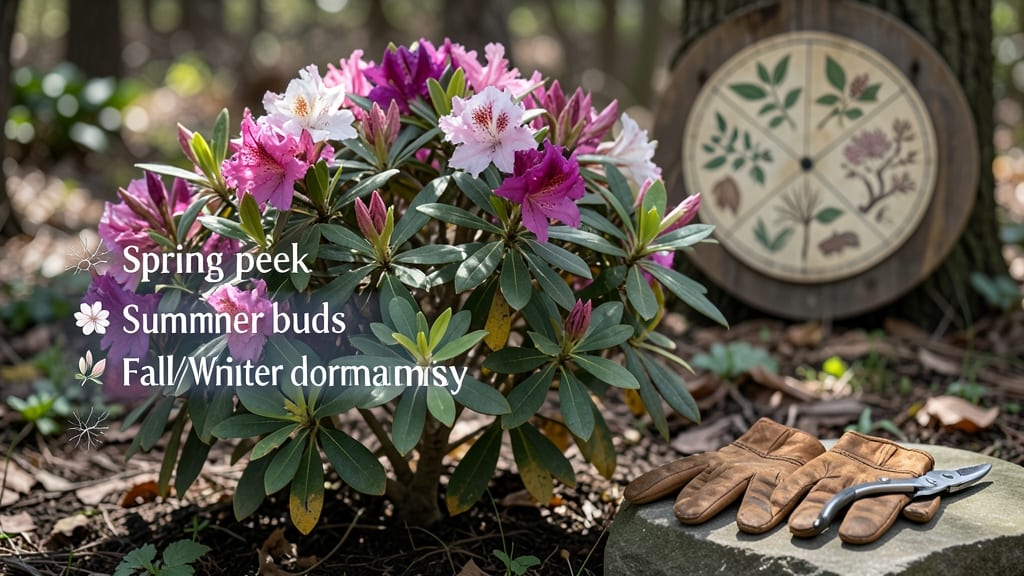
Azaleas do not bloom all year; most varieties flower seasonally in spring, with some reblooming types producing sporadic blooms in fall. Climate, care, and species determine bloom frequency and duration.
Azaleas are seasonal bloomers by nature, with their flowering cycles tightly linked to environmental cues. 🌸 Most varieties—especially evergreen azaleas—put on their best show in spring, when cooler winter temperatures trigger bud formation.
Even "reblooming" types (like Encore or Southern Indica series) typically produce a secondary flush in fall, but this isn't continuous bloom. Deciduous azaleas often sync their blooms with early spring leaf-out, while evergreens may bloom slightly later. The key difference?
Rebloomers need consistent care—like regular pruning and balanced fertilization—to encourage a second round, but they still follow seasonal rhythms.
What many gardeners overlook is how daylight hours and temperature shifts act as natural switches for azaleas. For example, the 10-12 weeks of cool weather required for bud set means a warm winter can delay or reduce blooms entirely.
In milder climates (Zones 7-9), you might see extended bloom windows, but even then, azaleas enter a dormant period where they focus on foliage growth rather than flowers. The exception? Some tropical hybrids (like Kurume azaleas) may bloom year-round in ideal conditions—but these are the outliers, not the rule.
💡 In This Article
- Azalea Bloom Cycles: Seasonal Patterns by Species
- Encouraging Extended Azalea Blooms: Pruning and Care Tips
Azalea bloom cycles: seasonal patterns by species
Azalea flowering is governed by a biological process called vernalization, where buds form in response to specific temperature cues. Most azaleas require 60-90 days of temperatures below 50°F (10°C) to break dormancy and initiate spring blooms.
Evergreen azaleas (like Rhododendron obtusum) typically bloom in early to mid-spring, while deciduous types (such as Rhododendron canescens) may bloom slightly earlier, often before leaves emerge. This timing difference occurs because deciduous azaleas form flower buds the previous summer, while evergreens develop theirs in late fall.
The photoperiod (daylight hours) also plays a critical role. Azaleas are short-day plants, meaning they respond to decreasing daylight in late summer/early fall to set buds for next year's blooms.
In regions with 10+ hours of daylight year-round (like tropical climates), some varieties may produce smaller, less vibrant blooms or skip seasons entirely. For example, the Kurume azaleas (a Japanese hybrid) can bloom multiple times in mild winters, but their flowers are often less abundant than spring-blooming types.
Climate zones dramatically affect bloom patterns. In USDA Zone 5 or colder, azaleas may only bloom once per year due to harsh winters, while Zone 8-9 gardens often see extended bloom windows.
The Southern Indica series, bred for heat tolerance, can produce two bloom cycles per year—spring and fall—but even these need consistent moisture and shade to maintain vigor. What most gardeners miss is how late-summer heat waves can stress azaleas, causing buds to drop before opening.
Evergreen vs. deciduous azaleas also show distinct patterns. Evergreens like Exbury hybrids store energy in their leaves year-round, allowing them to produce larger, showier blooms in spring, but they're more sensitive to drought.
Deciduous types, such as Flame azaleas, focus energy on early blooms before leaf growth begins, resulting in brighter colors but shorter bloom duration (typically 2-3 weeks). The trade-off? Deciduous azaleas often rebloom more reliably in fall if given proper care.
One fascinating exception is the Girard azalea (Rhododendron girardianum), native to Japan, which can produce three bloom cycles per year under ideal conditions. However, this requires specific temperature fluctuations: cool nights (<50°F) and warm days (70-80°F) to trigger successive blooms.
Most gardeners won't replicate these conditions naturally, which is why 90% of azaleas remain seasonal bloomers.
What this means for your garden: If you're in Zone 7 or warmer, you can push azaleas to rebloom by mimicking natural cycles—pruning after fall blooms and fertilizing with acid-loving plant food in early spring.
But don't expect year-round color; even rebloomers need dormancy periods to reset their growth cycles. 🌿