
Blooming
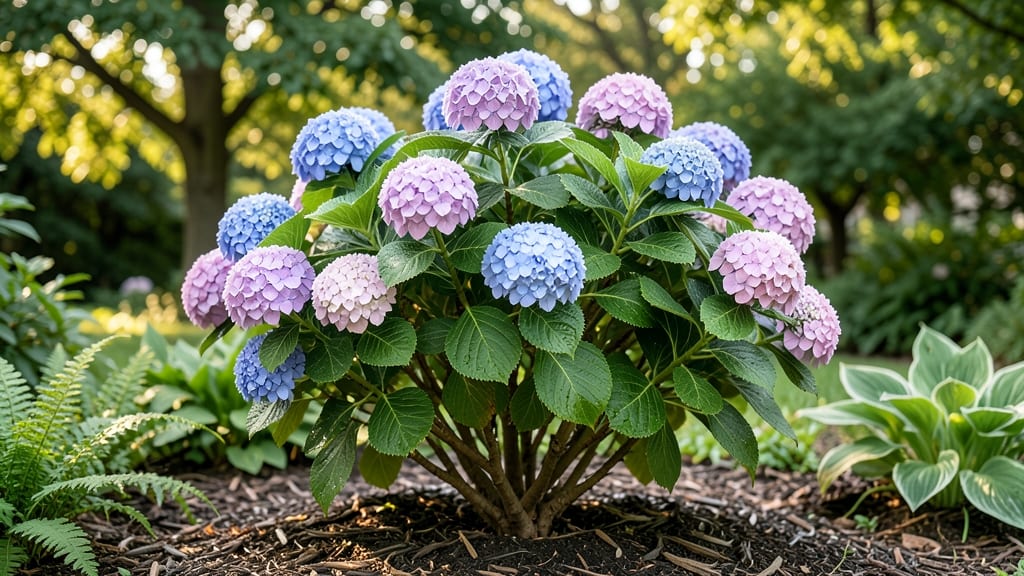
Endless Summer hydrangeas bloom on old wood in spring, but they also rebloom on new growth later in the season—if you prune them right.
If you love the lush blooms of these hydrangeas but dread losing flowers after pruning, you’re not alone. Many gardeners struggle with the timing of old wood vs. new growth. The key to year-round color lies in understanding when these hydrangeas bloom and how to prune them without sacrificing beauty.
Unlike other hydrangeas, Endless Summer 💧 produces flowers on last year’s stems and fresh new growth, giving you two chances for stunning blooms. But prune at the wrong time, and you could end up with bare branches by summer.
Below, I’ll break down the science behind old-wood blooms, the critical pruning window, and how to encourage reblooming without mistakes.
You’ll learn the exact steps for a monthly pruning timeline, common errors that kill flowers, and how to keep your Endless Summer hydrangea blooming from spring through fall—no guesswork required.
How Endless Summer hydrangeas bloom on old wood (and when to prune)
Endless Summer hydrangeas are famous for their year-round blooms, but their unique growth habit often confuses gardeners. Unlike traditional hydrangeas, they produce flowers on both old wood (last year's growth) and new wood (current season's growth). This dual-blooming ability means you can enjoy flowers from late spring through fall—if you prune correctly.
The initial spring bloom comes from buds set on old wood during the previous summer. These buds form in late summer to early fall and require no pruning until after they've bloomed.
The rebloom in summer and fall comes from buds on new wood, which develop after the first flush of flowers.
| Bloom Type | Growth Source | Pruning Window | Key Notes |
|---|---|---|---|
| Spring Bloom | Old Wood | After blooming (late summer) | Bud formation happens in late summer; prune too early and lose flowers. |
| Summer/Fall Rebloom | New Wood | Anytime (except late summer) | Encourages more flowers but avoid heavy pruning after July. |
| Winter Dormancy | Both Old & New Wood | Late winter (before buds swell) | Remove dead wood only; never prune for shaping in winter. |
The critical pruning window for Endless Summer hydrangeas is late summer to early fall, after the initial spring bloom has faded. This is when you can safely remove old wood that has finished blooming, as the plant is already forming buds for next year.
Pruning at this time stimulates new growth that will produce the rebloom in summer and fall.
If you prune too early (before late summer), you risk removing the old wood buds that haven't formed yet, which means no spring flowers the following year.
The rebloom, however, is more forgiving—you can prune new wood anytime except after July, as this can cut off potential buds for the fall display.
Many gardeners make the mistake of pruning Endless Summer hydrangeas like traditional hydrangeas, which bloom only on old wood. But these plants are rebloomers, meaning they can produce flowers on both old and new wood.
The key is to preserve the old wood until after it blooms, then prune it back to encourage new growth for the next flush of flowers.
To maximize blooms, I recommend light pruning in early spring to shape the plant, followed by heavier pruning in late summer after the first bloom. This two-step approach ensures you don’t sacrifice spring flowers while still encouraging summer and fall reblooms.
Always use clean, sharp pruners to make cuts just above a leaf node or bud.
One common misconception is that Endless Summer hydrangeas can be pruned anytime without consequences. While they are more forgiving than traditional hydrangeas, late summer pruning is still the sweet spot for balancing both bloom cycles.
If you prune too late, you might miss the rebloom entirely, leaving you with a sparse display in fall.
For best results, observe your plant’s growth cycle. If your Endless Summer hydrangea produces fewer flowers than expected, it’s likely due to poor pruning timing or over-pruning.
Start with minimal cuts and adjust based on how your plant responds. With the right approach, you’ll enjoy continuous blooms from spring through fall.
Remember, the secret to endless blooms lies in understanding the plant’s growth habit and pruning at the right time. Once you master this, your Endless Summer hydrangea will reward you with vibrant, long-lasting flowers all season long. 🌸
Step-by-step pruning timeline for maximum blooms year-round
Endless Summer hydrangeas bloom on old wood for their spring display but also produce reblooms on new growth later in the season. The key to year-round blooms is pruning at the right time—too early or too late, and you risk losing those stunning blue or pink clusters.
Here’s your month-by-month guide to keep your hydrangeas flowering beautifully.
Start by gathering your tools: sharp bypass pruners, hand pruners, gloves, and disinfectant to prevent disease. Always make cuts at a 45-degree angle just above a leaf node or bud. Avoid cutting into old wood during the blooming season, or you’ll sacrifice next year’s flowers.
Monthly Pruning Steps for Endless Summer Hydrangeas
-
Late Winter (Feb-March):
Prune dead or diseased wood only. Avoid cutting back old wood with buds—these will bloom in spring. Remove no more than 1/3 of the plant to avoid stress.
-
Spring (April-May):
Let the spring blooms form naturally. After flowers fade, cut back last year’s stems to encourage new growth for reblooms. Prune after June 15 to avoid cutting off potential rebloom buds.
-
Summer (June-August):
Prune spent blooms to shape the plant. Remove up to 1/3 of new growth to encourage bushier growth. Avoid heavy pruning in late summer, as it may reduce fall blooms.
-
Fall (September-October):
Stop pruning by mid-September to allow stems to harden off for winter. Remove only dead or crossing branches. Avoid cutting back new growth, as it won’t have time to mature.
-
Winter (November-February):
Plan your cuts but wait until late winter to prune. Remove weak or damaged stems and thin out crowded branches. This is the best time for structural pruning to maintain shape.
Pro tip: Use a plant marker to label stems you’ve pruned to track new growth. If you notice yellowing leaves or stunted growth, it may be a sign of over-pruning or nutrient deficiency. Adjust your approach for the next season.
Remember, Endless Summer hydrangeas are forgiving, but timing is everything. If you prune too early, you’ll miss the spring blooms; if you prune too late, you’ll sacrifice reblooms. Stick to this timeline, and your hydrangeas will reward you with continuous color from spring to fall.
For extra blooms, feed your hydrangeas with a balanced fertilizer in early spring and after the first flush of flowers. Mulch around the base to retain moisture and protect roots during winter. With this routine, your Endless Summer hydrangeas will become the star of your garden year after year! 🌸