
Blooming
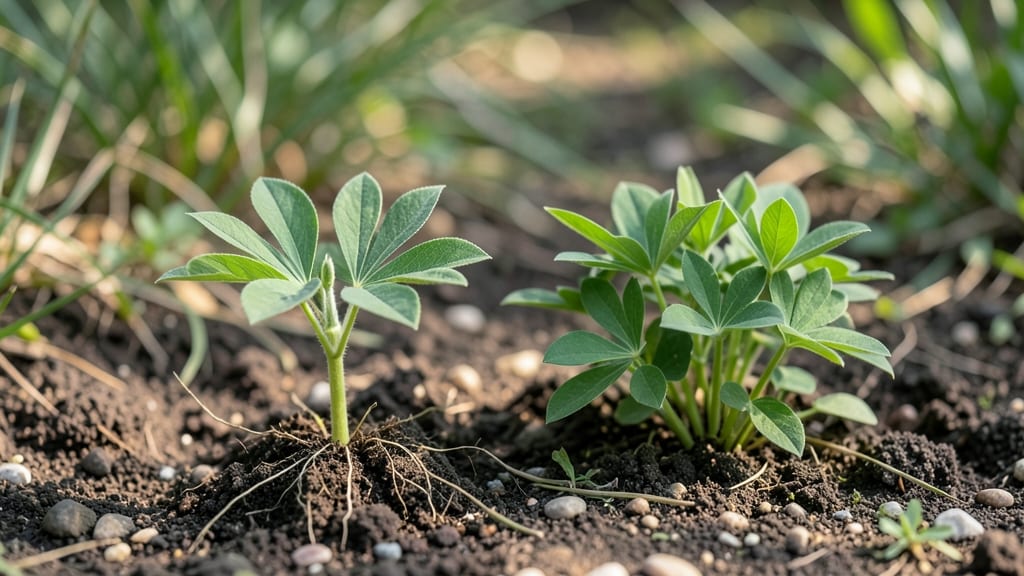
Lupines typically do not bloom the first year after planting, as they focus on establishing strong root systems before flowering. Most varieties require 1-2 years of growth before producing vibrant blossoms, though some biennials may bloom sooner under ideal conditions.
Lupines prioritize root development in their first year to build the energy reserves needed for flowering.
This deep-rooting habit helps them survive drought and poor soil conditions, which is why they often skip blooming until they're fully established. 🌱 The key to encouraging earlier flowers lies in providing well-draining soil with moderate phosphorus—too much fertilizer can actually delay blooming by promoting leafy growth over flowers.
Biennial varieties might surprise you with early blooms if planted in late summer, while perennials will typically wait until their second spring.
For gardeners eager to see flowers sooner, focus on planting lupines in full sun with consistent moisture during their first growing season. Avoid heavy pruning in the first year, as this can stress the plant.
Instead, let it grow naturally while providing support if needed—lupines often grow tall and may require staking to prevent flopping before they've built strong stems.
💡 In This Article
- Why Lupines Delay Blooming in Their First Year
- Tips to Encourage Early Lupine Flowering
Why lupines delay blooming in their first year
Lupines prioritize root growth over flowering in their first year because they're built for survival. These hardy perennials and biennials develop extensive root systems—sometimes reaching 3-5 feet deep—to access moisture and nutrients in poor, rocky soils where many plants struggle.
This deep-rooting habit stores energy in the form of starches and sugars, creating a biological "savings account" that fuels future blooms. Think of it like a plant version of saving for a rainy day—lupines invest in infrastructure before throwing a party.
The decision to bloom depends on three key environmental triggers: day length (photoperiod), temperature, and soil conditions. Most lupine varieties are short-day plants, meaning they need 12-14 hours of daylight to trigger flowering hormones.
In northern climates, this often doesn't happen until late summer or fall of the first year. Meanwhile, soil temperature must reach 50-60°F consistently for root activity to peak. Cold soils slow growth, while heat stress can cause wilting—both delaying the energy reserves needed for blooms. 🌱
Biennial lupines (like the popular Russell lupine) sometimes bloom in their first year if planted in late summer, taking advantage of the longer daylight hours. These varieties follow a two-phase life cycle: leafy growth in year one, then flower production in year two.
Perennial lupines, however, typically wait until their second spring because they allocate 70-80% of their energy to root and stem development during the first growing season. This difference explains why your neighbor's biennial lupine might flower in year one while yours (a perennial) waits.
Soil composition plays a surprising role too. Lupines thrive in slightly acidic to neutral soil (pH 6.0-7.0) but become stressed in alkaline conditions (pH >7.5), which locks out essential nutrients like phosphorus. Without adequate phosphorus, plants prioritize root growth over flowering—even if they have enough sunlight.
This is why many gardeners accidentally delay blooming by over-amending soil with lime or high-phosphorus fertilizers, which can trigger excessive leafy growth at the expense of flowers.
Here's what's happening under the soil: Lupine roots form symbiotic relationships with nitrogen-fixing bacteria (like Rhizobium), which convert atmospheric nitrogen into plant-usable forms. This process requires energy, further diverting resources from flowering. The plant only "switches gears" toward blooms when it detects sufficient nitrogen reserves and favorable growing conditions.
This biological delay ensures lupines can handle drought, poor soil, and even light frost—making them one of the toughest flowering perennials for challenging gardens.
The takeaway? Lupines aren't being lazy—they're following an ancient survival strategy. Their first-year focus on roots pays off in later years with vibrant, long-lasting blooms that attract pollinators and thrive with minimal care.
Patience is key: the deeper the roots, the more spectacular the flowers will be in subsequent seasons. 💫