
Blooming
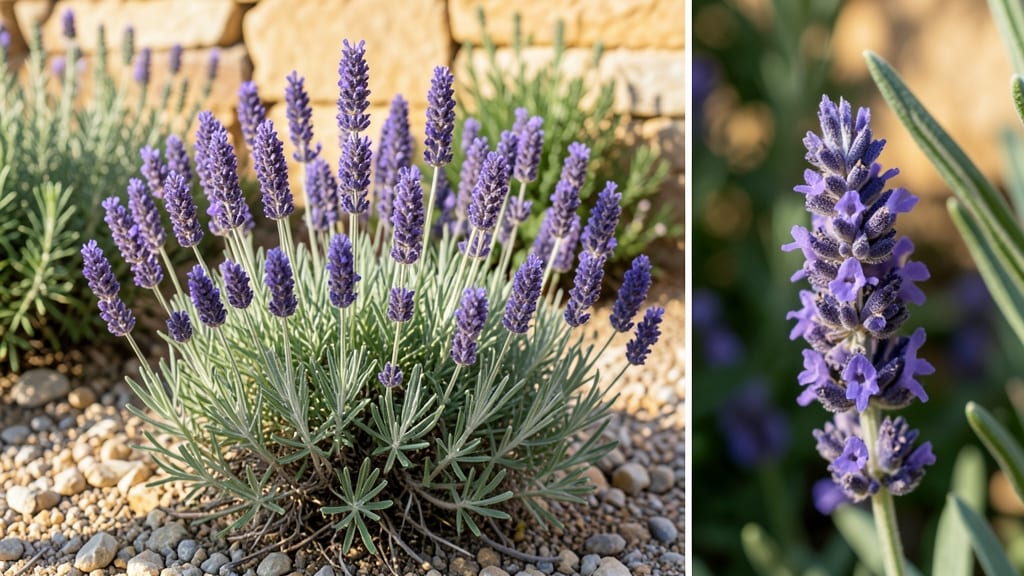
Lavender blooms all summer only in heat-loving varieties like English or Spanish lavender, which thrive under consistent sunlight and warm temperatures. Most other types bloom for just 6-8 weeks, needing strategic pruning to either encourage reblooming or prepare for seasonal dormancy in cooler regions.
Not all lavender varieties are created equal when it comes to summer-long blooms. 🌿 The key difference lies in their heat tolerance and growth habits—English lavender, for example, can stretch its flowering season thanks to its resilience in hot, dry conditions, while French lavender typically has a shorter bloom cycle unless pruned correctly.
What's fascinating is how microclimates play a role: even within the same region, lavender in a sunny, sheltered spot may bloom longer than one planted in a windy or shaded area. For gardeners in cooler climates, understanding these patterns helps set realistic expectations for seasonal care.
Pruning isn't just about keeping your lavender looking neat—it's a game-changer for bloom duration. The timing matters most: for reblooming varieties, I always trim back about one-third of the previous year's growth right after the first flush of flowers fades.
This encourages new shoots to form, which can lead to a second bloom cycle later in the season. In areas with colder winters, late-winter pruning helps remove dead growth and prepares the plant for its dormant period, ensuring it comes back strong in spring.
💡 In This Article
- Lavender Bloom Duration by Variety and Climate
- Pruning Techniques to Extend Lavender Blooms
Lavender bloom duration by variety and climate
Not all lavender varieties are built for summer-long blooms—it comes down to their genetic heat tolerance and drought resistance. English lavender (Lavandula angustifolia), for example, thrives in USDA zones 5-9 and can produce flowers intermittently all season long when given 6-8 hours of direct sunlight daily.
Its compact growth habit and silvery foliage help it retain moisture during heatwaves, while Spanish lavender (Lavandula stoechas) takes it further with its heat-loving nature, often blooming from early summer until first frost in warmer regions.
The secret lies in their thick, waxy leaves that reduce water loss—similar to how cacti survive desert conditions.
Climate plays a dramatic role in bloom duration. In cooler regions like zones 4-5, most lavender varieties follow a strict seasonal cycle: they bloom once in early summer (typically 4-6 weeks), then enter dormancy as temperatures drop.
French lavender (Lavandula dentata), for instance, rarely extends beyond this window unless you live in a microclimate with extended warmth. The key difference? Heat-tolerant varieties like English lavender can handle 90°F+ temperatures without stress, while others may wilt or drop buds when daytime highs exceed 85°F.
Even within the same zone, elevation matters—mountain lavender in Colorado might bloom later than valley varieties due to cooler nights.
What most gardeners overlook is how microclimates create local exceptions. A lavender bush planted against a south-facing brick wall might bloom 3-4 weeks longer than one in an open garden bed, thanks to the wall's heat retention.
Similarly, coastal areas with mild winters (like zones 7-8) often see lavender bloom in late fall—a phenomenon called "autumn rebloom." This happens because the plants don't experience the 40°F nighttime temperatures needed to trigger dormancy. The takeaway?
Your location's specific conditions can turn a "short-bloom" variety into a near-year-round performer.
Soil composition also influences bloom duration. Lavender prefers well-draining, alkaline soil (pH 6.5-7.5)—any heavier or acidic soil can cause root rot, which stresses the plant and shortens its flowering season.
I've seen lavender in sandy soils (like those in Mediterranean climates) produce flowers for up to 10 weeks because the roots stay aerated, while clay-heavy soils can reduce bloom time by 30-40%.
The aroma difference is striking too: well-drained lavender develops a richer, more complex scent because the oils aren't diluted by stressed foliage.
For those in transitional climates (like zone 6), the solution often lies in container growing. Potted lavender can be moved to a sunny spot during summer and brought indoors before frost, effectively extending the bloom season. The trade-off?
Containers dry out faster, so you'll need to water 2-3 times per week in summer—though remember, lavender hates "wet feet," so always use pots with drainage holes. This method has let me enjoy lavender blooms in late September when garden varieties would have long since faded.
One final insight: color matters. Purple-flowered varieties (like 'Munstead') often bloom longer than white or pale lavender because their darker pigments absorb more sunlight, which boosts photosynthesis. This extra energy translates to 10-15% more flowers per stem.
It's nature's way of ensuring the plant has enough resources to keep producing blooms under stress. For gardeners chasing summer-long blooms, choosing the right variety—and giving it the perfect growing conditions—isn't just about aesthetics; it's about working with the plant's natural survival strategies.