
Blooming
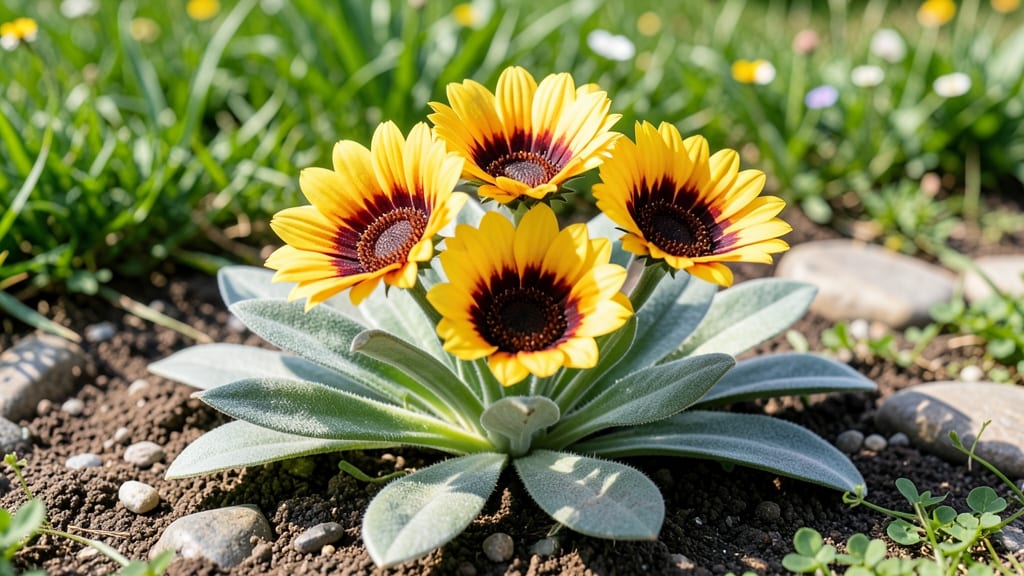
Gazania blooms thrive in June through September 🌼, turning your garden into a burst of color—but only if you time your planting just right.
Picture this: vibrant orange, yellow, and red sunflowers closing at dusk and reopening by morning, their cheerful faces tracking the sun. If you’ve ever missed their peak season, you know how quickly they vanish when temperatures dip.
The secret? Planting in April or May after the last frost, when soil warms to at least 60°F, ensures your gazanias bloom reliably for months.
But here’s the catch: regional differences matter. In cooler zones like 6a, blooms may start later, while in warmer climates, they can stretch into October. I’ll break down the exact months for your zone, plus how to coax extra weeks of flowers with simple tricks—like deadheading and smart watering.
Ready to transform your garden into a sun-drenched paradise? You’ll learn the ideal planting window, how to spot the first buds, and why morning sunlight is non-negotiable for those iconic daily-opening blooms.
Gazania bloom time by USDA hardiness zones: month-by-month guide
Gazanias are sun-loving annuals (or tender perennials) that thrive in USDA Zones 7–11, delivering vibrant blooms from summer through fall. Their flowering patterns shift dramatically based on temperature, daylight hours, and zone-specific climates.
In warmer zones like Zone 10–11, they may bloom nearly year-round, while Zone 7–8 gardeners enjoy shorter but intense seasonal displays. Understanding these patterns helps you time plantings for maximum impact.
Gazanias are day-length sensitive, meaning they respond to increasing daylight in spring and summer. The longer days of summer trigger blooming, while cooler fall temperatures signal the end of their season.
In cooler zones (7–8), frost typically cuts their season short by October or November, whereas warmer zones (9–11) may see blooms until December or even January with protection.
Here’s how bloom times vary by zone, including early, peak, and late-season flowering windows for both annual and perennial varieties:
In Zone 7–8, gazanias are typically grown as annuals, so their bloom cycle aligns with the warm-season growing period.
Plant seeds or transplants 2–4 weeks after your last frost date (usually April–May) to ensure they establish roots before summer heat arrives. Daylight length is critical—gazanias need at least 6–8 hours of sun daily to trigger blooming. Without enough light, they’ll produce fewer flowers and more foliage.
For Zones 9–11, gazanias can be perennialized with proper care. In these warmer climates, they often rebloom after deadheading or even flower intermittently year-round. However, temperature drops below 50°F (10°C) can stunt growth, so Zone 9 gardeners may need to protect plants during unexpected cold snaps.
In Zone 11, gazanias may close petals at night but reopen daily, creating a continuous display.
Temperature plays a surprising role in gazania bloom timing. While they love heat, extreme heatwaves above 95°F (35°C) can cause bud drop or wilting. In Zone 10–11, provide afternoon shade during peak summer to preserve blooms longer. Conversely, cool nights (55–65°F / 13–18°C) enhance flower
How to extend gazania bloom time: pro tips for longer flowers
Gazanias are sun-loving annuals that reward gardeners with bright, daisy-like blooms from early summer until frost. To maximize their bloom duration, you’ll need to focus on three key areas: proper deadheading, balanced soil nutrition, and consistent watering habits.
Unlike some flowers, gazanias naturally close at night and reopen in sunlight, but with the right care, they’ll stay vibrant for weeks longer.
One of the biggest mistakes gardeners make is overwatering or underfeeding their gazanias. Too much water causes root rot, while insufficient nutrients starve the plant of the energy it needs to produce new blooms.
I’ve found that a light fertilizer application every 4-6 weeks during the growing season keeps my gazanias thriving. Pair this with well-draining soil, and you’ll see a noticeable difference in both bloom quantity and duration.
⚠️ WARNING: Common Mistakes That Shorten Gazania Bloom Time ⚠️
Gazanias are drought-tolerant and hate soggy roots. Watering too frequently leads to root rot, which weakens the plant and reduces blooming. Always let the top 1-2 inches of soil dry out between waterings.
Deadheading—removing spent blooms—is critical. Without it, gazanias waste energy producing seed heads instead of new flowers. Spend just 5 minutes weekly pinching off faded blooms to encourage continuous flowering.
Gazanias require full sun (6+ hours daily). Shade stress causes leggy growth and fewer blooms. If your garden lacks direct sunlight, opt for container gardening near a south-facing window or balcony.
Deadheading is the simplest yet most effective way to extend gazania bloom time. These flowers naturally close at night and reopen in the morning, but once they fade, they signal the plant to redirect energy toward seed production.
Grab a pair of clean pruners or simply pinch off spent blooms with your fingers. I like to do this in the early morning when the blooms are still closed—it’s less messy and easier to spot which ones need removal.
Soil nutrition plays a huge role in bloom longevity. Gazanias thrive in well-draining, slightly sandy soil with a pH between 6.0 and 7.0. Before planting, amend your soil with compost or aged manure to provide a slow-release nutrient boost.
During the growing season, use a balanced fertilizer (5-10-10) every 4-6 weeks. Avoid heavy fertilizers, which can lead to leafy growth at the expense of flowers.
Watering schedules often make or break gazania performance. These plants are drought-tolerant but still need consistent moisture to keep blooming. Water deeply in the morning to reduce evaporation and fungal risks. Aim for 1 inch of water per week, adjusting for rainfall.
In hot, dry climates, you may need to water every 3-4 days, while cooler areas can stretch this to 5-7 days. Always check soil moisture before watering—stick your finger 1-2 inches deep; if it’s dry, it’s time to water.
Finally, don’t overlook the power of mulching. A 1-2 inch layer of mulch around your gazanias helps retain moisture, regulate soil temperature, and suppress weeds—all of which contribute to longer bloom times.
Use organic mulch like straw or shredded bark, keeping it away from the plant’s base to prevent rot. With these simple adjustments, your gazanias will reward you with vibrant blooms from early summer well into fall.