
Blooming
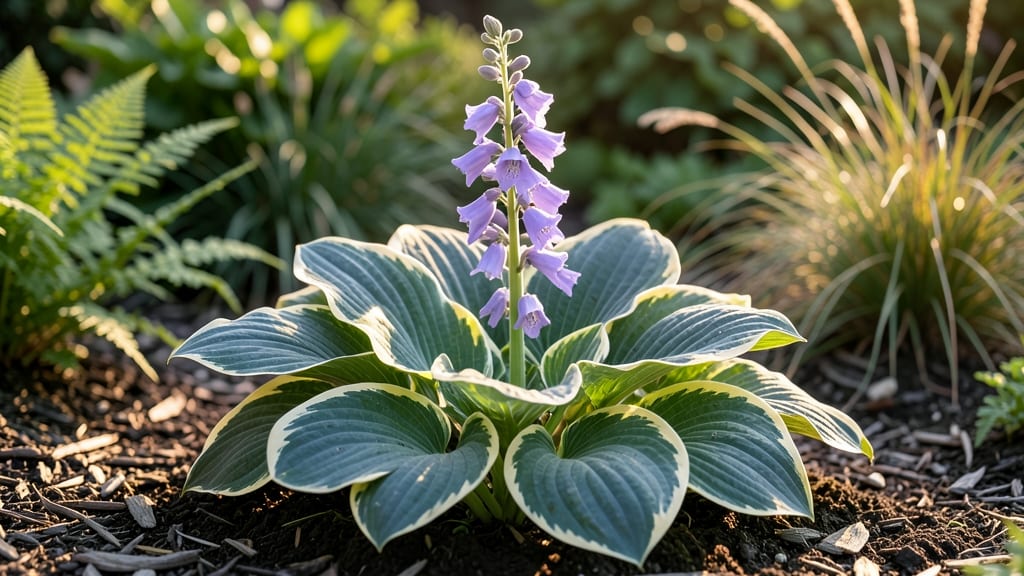
Hostas bloom in late spring to early summer 🌿, but the exact timing depends on your zone, variety, and care—meaning your purple wave might arrive weeks earlier or later than your neighbor’s.
If you’ve ever wondered why your hostas bloom at different times—or why some years they barely flower at all—your planting zone holds the key to unlocking their full potential.
In Zone 6a, where most gardeners plant in March, blooms typically appear in June or July, but cooler springs can delay them until August. Meanwhile, southern zones may see flowers as early as May, while northern varieties might wait until late July.
Below, I’ll break down how to predict your hosta’s bloom time, what factors shift it, and three simple tweaks to coax earlier—or more abundant—flowers every season.
Hosta bloom time by USDA planting Zone: when to expect flowers
Hostas are prized for their stunning foliage, but their delicate lavender or purple blooms add a magical touch to shady gardens. The timing of these flowers isn’t random—it’s tightly linked to your USDA planting zone and the average last frost date.
In colder zones, hostas often bloom earlier to take advantage of shorter growing seasons, while warmer climates may see extended bloom periods. Understanding these patterns helps you plan for seasonal color and troubleshoot when blooms seem late or absent.
For gardeners in Zones 3-4, where winters are harsh, hostas typically bloom in late May to early June. This early rush is nature’s way of ensuring pollination before summer heat sets in.
Meanwhile, gardeners in Zones 8-9 might enjoy blooms stretching from June through August, thanks to milder winters and longer growing seasons. The key trigger? Soil temperatures consistently above 50°F (10°C) for at least 2 weeks.
In Zones 5-7, the most common range for hosta growers, you’ll typically see blooms emerge in mid-June to early July. This mid-season timing aligns perfectly with pollinators like bees and butterflies, creating a lively garden ecosystem.
Varieties like 'Guacamole' and 'Blue Angel' thrive here, offering both early and late blooms within the same season. The secret to encouraging reliable blooms? Consistent moisture and well-draining soil—hostas hate soggy roots but love steady hydration.
If you’re in Zone 9, consider yourself lucky—hostas here often produce two bloom cycles: one in early summer and another in late summer/fall. The extended season is thanks to milder winters and longer daylight hours.
Varieties like 'Sum and Substance' become showstoppers, with flower spikes reaching 3 feet tall. To maximize blooms, mulch heavily in late winter to protect roots from temperature swings and retain moisture.
Temperature plays a critical role in bloom timing. Hostas need chilling hours (below 40°F or 4°C) to set flower buds, but too much cold can delay blooming.
In Zones 3-4, early bloomers like 'Halcyon' rely on rapid growth after snowmelt, while Zones 8-9 varieties like 'Patriot' stretch their blooms into fall. Monitor your local last frost date—planting hostas 4-6 weeks before ensures they’re established enough to bloom on schedule.
Pro tip: Use light-colored mulch (like straw) in warmer zones to reflect heat and prevent soil from overheating, which can stress plants and delay blooms. In cooler zones, dark mulch (like shredded bark) helps warm the soil faster in spring.
Both strategies give you control over the microclimate around your hostas, nudging them toward earlier or more abundant blooming.
For gardeners in transition zones (e.g., Zone 6b vs. 7a), blooms may arrive 1-2 weeks earlier than the average. Pay attention to your microclimate: Hostas near a south-facing wall or in a sheltered spot will bloom 2-3 weeks ahead of those in exposed areas.
Adjust your expectations—and your planting plans—based on these local variations.
Why some hostas bloom earlier (or not at all) and how to fix it
Hostas are prized for their stunning foliage, but their late-summer blooms often disappoint gardeners. If your hosta flowers arrive late—or never appear—don’t blame the plant. The issue likely stems from maturity delays, light deprivation, or nutrient gaps. Understanding these factors lets you adjust care for reliable blooms.
Young hostas may take 3-5 years to flower, especially dwarf varieties. Even mature plants need 6+ hours of indirect light daily to trigger blooming. Without enough light, they focus energy on leaves instead of flowers. Check your hostas’ location—shady spots under trees often rob them of the light they need.
Over-fertilizing with high-nitrogen feeds stunts blooms by promoting leafy growth. Mature hostas need balanced 10-10-10 fertilizer in spring, not summer. Also, overcrowded roots compete for nutrients, delaying flowering. Divide clumps every 3-4 years to restore vigor.
Soil nutrition plays a critical role. Hostas thrive in well-draining, slightly acidic soil (pH 6.5–7.5). If your soil lacks organic matter, blooms suffer. Test your soil and amend with compost or aged manure before spring.
A phosphorus boost (the "P" in NPK) encourages root and flower development, so avoid pure nitrogen feeds.
Not all hosta varieties bloom reliably. Some, like 'Halcyon' or 'Francee', produce abundant flowers, while others, such as 'Blue Angel', prioritize foliage. Research your cultivar’s traits—if blooms are sparse, consider swapping out non-flowering varieties for more prolific types.
Even within the same plant, stressed leaves can signal poor blooming conditions.
Watering habits also impact bloom time. Hostas need consistent moisture but hate soggy roots. Deep watering twice weekly in dry spells prevents stress. Mulch with 3 inches of shredded bark to retain moisture and regulate soil temperature, creating ideal conditions for flower buds to form.
Finally, patience is key. First-year hostas won’t bloom, and even mature plants may skip a year if stressed. Focus on healthy foliage first—thick, vibrant leaves mean stronger roots, which lead to better blooms next season.
With the right light, soil, and care, your hostas will reward you with fragrant lavender or white blooms by mid-summer.