
Blooming
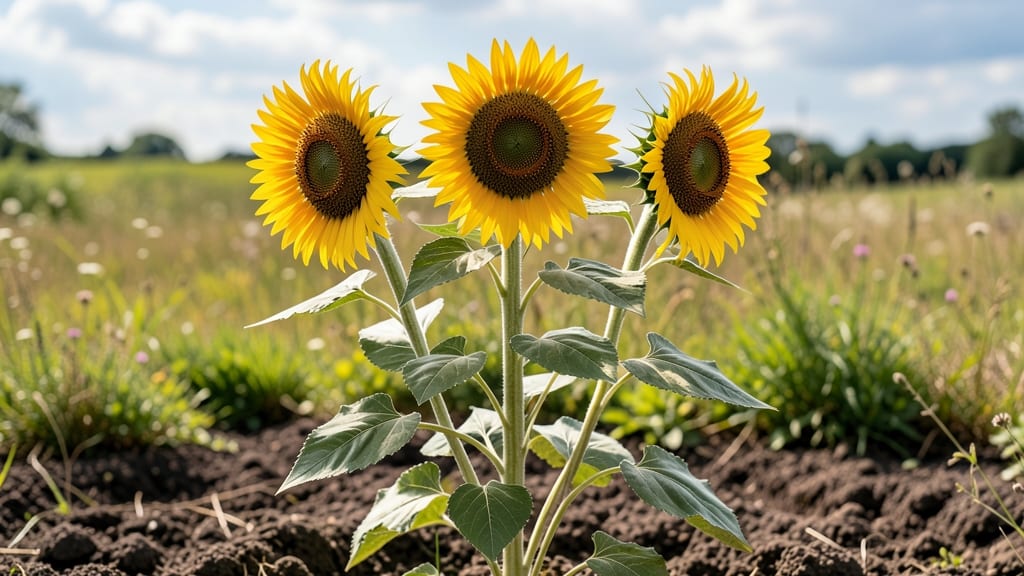
Sunflowers that keep blooming all summer—no fancy tricks needed. 🌻 The secret to multiple blooms lies in heat-triggered growth and a few simple pruning tweaks that most gardeners miss.
I've grown these sunflowers for years, and the difference between a single-stem showstopper and a reblooming powerhouse comes down to when and how you cut back.
Most varieties like 'Autumn Beauty' or 'Moulin Rouge' naturally produce side shoots when days get hot, but they need a little help to keep flowering. Start with well-draining soil rich in compost, space plants 18-24 inches apart, and water deeply once a week—never let them dry out completely.
The key is pruning just above a set of leaves on the main stem when it reaches 3-4 feet tall, which encourages those heat-triggered side shoots to burst into bloom. By mid-summer, you'll have a sunflower bush packed with 50+ blooms instead of just one.
The flowers stay vibrant longer, attract pollinators like crazy, and even produce more seeds for next year. Plus, the stems stay sturdy enough for cutting—no floppy single-stem disappointments here. This works for both tall varieties (like 'Russian Giant') and dwarf types (like 'Teddy Bear'), though spacing adjusts slightly.
The only real mistake? Waiting too long to prune or over-fertilizing with nitrogen—both kill the reblooming effect. Let's get those side shoots growing!
📚 In This Guide
- What you need
- Instructions
- Tips and common mistakes
- Wrapping up and next steps
What you need
- ● Multiple Bloom Sunflower Seeds: Choose heat-tolerant varieties like ‘Autumn Beauty’ or ‘Moulin Rouge’ (5–10 seeds per plant, depending on spacing).
- ● Well-Draining Potting Mix: 5–10 gallons per plant (or 1 part compost to 2 parts garden soil for in-ground planting).
- ● Containers or Garden Bed: Containers: 12–18" diameter pots (1–2 plants per container).
- ● Garden Bed: Full sun (6+ hours/day) with loose, fertile soil.
- ● Watering Can or Hose: With a gentle spray nozzle (avoid soaking the soil).
- ● Pruning Shears: Sharp, clean shears (sterilize with rubbing alcohol).
- ○ Heat-Resistant Mulch (optional but helpful): Straw or shredded leaves (2–3 inches thick) to retain moisture.
- ● Gloves: For handling prickly stems (nitrile or leather recommended).
- ● Fertilizer: Balanced 10-10-10 or low-nitrogen (5-10-10) for blooming (sprinkle lightly every 4–6 weeks).
- ● Sunflower Cages or Stakes: For tall varieties (3–4 ft stakes per plant).
- ○ Thermometer (optional): To monitor soil/air temps (ideal: 70–85°F for reblooming).
- ● Plant Food Spray: Seaweed or fish emulsion (diluted) for a nutrient boost during heatwaves.
How to encourage multiple blooms on sunflowers through pruning
Sunflowers don’t naturally rebloom like annuals—here’s how to trick them into producing multiple stems with simple heat-triggered techniques.
🌱 Step 1: Select the Right Varieties for Reblooming
Not all sunflowers respond to reblooming techniques. Choose multi-branching varieties like 'Moulin Rouge' or 'Autumn Beauty,' which naturally produce secondary stems when properly stimulated. Single-stem varieties like 'Russian Giant' won’t rebloom no matter what you do.
Start with healthy, 6-8 inch tall plants that have developed 4-6 true leaves. Weak or leggy seedlings won’t recover enough to support multiple blooms. If your plants are already too tall, they’ve likely passed the reblooming window—act fast with younger specimens.
✂️ Step 2: Perform the Heat-Triggered Prune at the Right Stage
Wait until your sunflower has grown to about 3 feet tall and developed its first main bud. This is the critical window: prune too early, and you stunt growth; too late, and the plant won’t respond. Using clean, sharp pruners, cut the main stem just above a lateral bud—this is where new branches will emerge.
Here’s the trick: after pruning, place the plant in a warm, sunny spot (75-85°F) for 7-10 days. The heat shock signals the plant to produce multiple side shoots. You’ll see new growth sprouting from the lateral buds within 10-14 days—this is your confirmation that the technique worked.
☀️ Step 3: Maintain Optimal Conditions for Side Shoot Growth
Once the lateral buds sprout, move the plant back to its regular growing location but keep it in full sun (6+ hours daily). These new stems need consistent light to develop into strong, flowering branches. If your sunflowers start leaning toward the light, rotate the pot a quarter turn every 2-3 days to encourage upright growth.
Water deeply every 2-3 days until the top 2 inches of soil feel dry. Overwatering now causes root rot, which kills the delicate new shoots. You’ll know you’re doing it right when the soil surface looks slightly dry but the lower soil remains moist.
🌿 Step 4: Support and Monitor New Blooms
As the side shoots grow, they’ll need support. Install a sturdy stake or cage around the plant to prevent the multiple stems from toppling over. Tie the main stem and any new branches to the support with soft plant ties—tighten just enough to hold them upright without restricting growth.
Watch for secondary buds forming along the new branches. These will develop into your second (and sometimes third) blooms. Deadhead spent flowers immediately after they fade to redirect the plant’s energy into producing more blooms rather than seeds.
⏰ Step 5: Time Your Final Prune for Extended Blooming
About 4-6 weeks after the initial prune, perform a second, lighter prune. Cut back any leggy or weak side shoots just above a set of leaves to encourage bushier growth. This final prune extends the blooming period by 2-4 weeks, giving you a continuous display of sunflowers.
Real talk: this method won’t work miracles on every plant. If your sunflowers don’t respond after the first prune, they may not be genetically inclined to rebloom. But with the right varieties and timing, you’ll end up with 3-5 blooms per plant instead of just one.
Tips & tricks for encouraging multiple sunflower blooms
Here's what nobody tells you about getting those extra sunflower blooms—these tricks make all the difference between one lonely flower and a garden full of golden sunshine.
Variety Selection is Non-Negotiable: The multi-branching varieties like 'Moulin Rouge' or 'Autumn Beauty' are your best bet—they're genetically wired to respond to pruning. If you're growing 'Russian Giant' or other single-stem varieties, don't waste your time with this technique. Look for plants that already show some branching tendency in their early growth stages, as these will give you the best results. The 6-8 inch height and 4-6 true leaves markers in Step 1 aren't arbitrary—they indicate the plant has enough energy reserves to recover from pruning.
The Heat Shock Secret: That 7-10 day warm spot (75-85°F) after pruning is where the magic happens. I've learned this the hard way—skipping the heat shock means you'll likely get minimal or no side shoots. Use a sunny windowsill, greenhouse, or even a heat mat under the pot if needed. The key is consistency: maintain that temperature range day and night. You'll know it's working when you see tiny green nubs appearing at the lateral buds within 10-14 days. If your home stays cooler than 70°F, consider using a small space heater to create that warm microclimate.
Pruning Precision Matters: When you make that initial cut in Step 2, aim for just above a lateral bud that's at least 1-2 inches long. The larger the bud, the better chance it has to develop into a strong side shoot. I always use sterilized pruners to prevent disease transmission between cuts. After pruning, give your plant a good drink of water—this helps it recover from the shock and directs energy toward new growth rather than stress responses. The first few days after pruning are critical for setting up success.
Light Management is Everything: Those new side shoots need full sun (6+ hours daily) to develop properly, but here's the trick: rotate your pots every 2-3 days. Sunflowers grow toward light aggressively, and if all stems lean in one direction, they'll become weak and floppy. The quarter-turn rotation keeps them growing upright. I've seen plants that would have collapsed under their own weight become sturdy, multi-stemmed beauties just by adding this simple rotation habit. Pay attention to how your plants grow—if you notice consistent leaning, increase the rotation frequency.
Pro Tips for Multiple Bloom Sunflowers
- Here's what nobody tells you about getting those extra sunflower blooms—these tricks make all the difference between ...
- Variety Selection is Non-Negotiable: The multi-branching varieties like 'Moulin Rouge' or 'Autumn Beauty' are your be...
- The Heat Shock Secret: That 7-10 day warm spot (75-85°F) after pruning is where the magic happens. I've learned this ...
Frequently asked questions
Got questions about growing multiple bloom sunflowers? You’re not alone! Here are some of the most common queries—and their answers—to help you master the art of heat-triggered reblooms with ease.
How do I know if my sunflowers will rebloom?
Look for healthy, unopened buds on the main stem or side branches after the first bloom fades. If your plant is Helianthus annuus (common sunflower) and thriving in hot, sunny conditions (80°F+), it’s likely to produce a second (or third!) bloom. Stunted growth or yellowing leaves? It may need more water or nutrients.
When is the best time to prune for reblooms?
Prune right after the first bloom wilts—but only if the plant is still vigorous. Cut the stem just above a leaf node (where side buds form) to encourage branching. Avoid heavy pruning in late summer, as cooler temps can slow regrowth. Pro tip: Use clean, sharp shears to prevent disease!
Why aren’t my sunflowers reblooming despite the heat?
Reblooming depends on three key factors:
- Sufficient sunlight (6+ hours daily)
- Consistent moisture (1–2 inches per week)
- Fertilizer (balanced 10-10-10 or compost)
Can I grow multiple-bloom sunflowers from seed?
Yes! While commercial reblooming varieties (like ‘Autumn Beauty’ or ‘Moulin Rouge’) are bred for this trait, any sunflower can attempt reblooming with the right care. Start seeds indoors 4–6 weeks before last frost for a head start. For faster results, opt for heirloom or hybrid seeds labeled for multiple blooms.
How can I extend the blooming season indoors?
Move potted sunflowers to a sunny windowsill or under grow lights (12+ hours/day) once outdoor temps dip. Keep soil moist but well-draining, and fertilize lightly every 2–3 weeks. Watch for spider mites (common indoors)—mist leaves regularly to deter them. Bonus: Deadhead spent blooms to redirect energy to new buds!
What’s the difference between reblooming and self-seeding?
Reblooming means the same plant produces new flowers after pruning or stress relief. Self-seeding occurs when fallen seeds sprout into new plants the following season. To encourage reblooms, prune aggressively; to prevent self-seeding, remove seed heads before they dry or pull volunteers early.
Wrapping up and next steps
Multiple bloom sunflowers are a gardener’s dream—packing bold beauty and easy reblooming into one sun-soaked package! 🌻 With just a little heat, minimal pruning, and the right care, you can coax these cheerful giants into multiple stunning blooms all season long.
Whether you’re a seasoned gardener or a curious beginner, these sunflowers prove that great results don’t require complicated steps—just patience and a little know-how.
Ready to transform your garden? Start by planting your seeds or seedlings this season, and keep an eye out for those heat-triggered reblooms. Share your progress with fellow plant lovers, and don’t forget to tag us in your sunflower selfies! 📸✨ The next step?
Let your garden bloom with joy—literally!