
Blooming
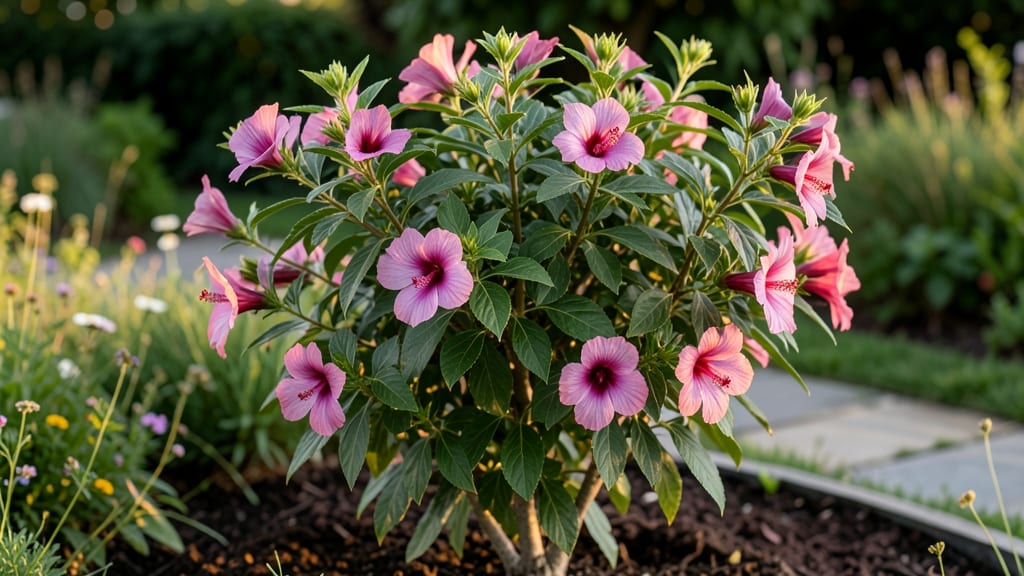
The Rose of Sharon bloom season is a heat-triggered spectacle that transforms your garden into a vibrant canvas from mid-summer to early fall.
If you’ve ever wondered why your 🌸 Rose of Sharon blooms seem to follow a mysterious summer schedule, the answer lies in its heat-triggered nature—and your hardiness zone.
In USDA Zone 6a, expect those showstopping flowers to burst into color around July, while southern gardens may see them as early as June.
But here’s the secret: with the right pruning and care, you can stretch that bloom season into September or even later. Deadheading spent blooms and feeding your shrub at the right times keeps it producing flowers like clockwork.
Below, I’ll break down exactly when to expect blooms in your zone, how to coax extra weeks of flowers, and which varieties stay vibrant the longest—so you can enjoy your Rose of Sharon’s glory for as long as possible.
When does Rose of Sharon bloom? Heat-triggered timing by USDA Zone
Your Rose of Sharon (Hibiscus syriacus) thrives on heat, and its bloom season is directly tied to your local climate. Unlike spring-blooming shrubs, this beauty waits for warmer temperatures—typically between 75°F and 85°F—to burst into color.
That’s why its flowering window shifts dramatically depending on your USDA hardiness zone.
In cooler zones (5-7), blooms usually arrive in late July or August, while warmer climates (8-11) see flowers as early as June. The key? Heat triggers blooming, but early frosts can cut the season short.
Let’s break down exactly when to expect those stunning clusters of lavender, pink, or white blooms in your area.
| USDA Zone | Avg. Bloom Start | Avg. Bloom End | Key Notes |
|---|---|---|---|
| Zones 5-6 | Late July | Early October | Short season; prune early to encourage reblooms |
| Zones 7-8 | Early July | Mid-November | Longest bloom window; deadhead for extended flowers |
| Zones 9-10 | June | December | Year-round potential in mild winters; minimal frost risk |
| Zone 11 | May | February | Near-continuous blooms; prune lightly to maintain shape |
If you’re in Zone 5 or 6, your Rose of Sharon likely blooms in a 6-8 week window starting in late July. This is because cooler springs delay heat accumulation.
In contrast, Zone 9+ gardeners enjoy blooms from June through December, with only brief pauses during extreme heat.
Here’s a pro tip: Monitor your local heat waves. A sudden spike to 90°F+ can trigger early blooms, even in Zone 7. Use a thermometer near your plant to track when temperatures consistently hit 75°F—that’s your cue for flowers in 2-4 weeks.
For northern gardeners (Zones 5-6), extending the season requires late-season pruning. Cut back 1/3 of old wood in early spring to encourage new growth that blooms later. In southern zones (8-11), focus on watering during droughts—stress can delay blooms.
Did you know? Rose of Sharon is a rebloomer in ideal conditions. With proper care, some varieties produce two bloom cycles: one in mid-summer and another in early fall. The secret? Deadheading spent blooms and feeding with balanced fertilizer every 6 weeks during active growth.
Watch for bud formation in late spring—this is your first sign blooms are coming. In Zones 5-7, buds appear in June, while Zones 8-11 see them as early as May. Bud color (green to pink) indicates bloom timing: darker buds = earlier flowers.
One common mistake? Assuming Rose of Sharon blooms only once. In reality, heat-loving varieties in Zones 8-11 can flower year-round with minimal care. The key is maintaining consistent moisture and pruning lightly to avoid overcrowding.
For Zone 5 gardeners, protect late blooms with row covers if frost threatens. Even a light frost (28°F) can damage buds. In Zone 11, the biggest challenge is preventing leggy growth—prune after blooming to keep the plant compact.
Ready to time your Rose of Sharon care perfectly? Start by noting your first bloom date each year—this helps predict when to fertilize, prune, and water for next season’s best display. 🌸
How to extend Rose of Sharon blooms: pruning and care tips for longer flowering
Your Rose of Sharon can bloom for weeks longer than usual with the right care. Since it's a heat-triggered plant, understanding its growth cycle and seasonal pruning is key to encouraging repeat flowering.
The secret lies in removing spent blooms and shaping the shrub at the right times—all while keeping the soil nourished.
Most gardeners miss the deadheading window after the first flush of blooms, which happens in mid-summer. Without this step, your plant will focus energy on seed production instead of producing new flowers.
I’ve found that combining pruning with proper fertilizer timing can extend blooms into early fall, especially in USDA zones 6-9.
🌸 5 Key Steps to Extend Rose of Sharon Blooms
- Deadhead spent blooms every 2-3 weeks during peak bloom season (July-August) to encourage new flower production.
- Prune 1/3 of old wood in late winter (February) to stimulate vigorous spring growth and more blooms.
- Apply balanced fertilizer (10-10-10) every 4-6 weeks during active growth (April-July) for optimal flowering.
- Water deeply once weekly during dry spells to prevent stress that can shorten bloom time.
- Mulch with 2-3 inches of organic matter in spring to retain moisture and cool roots for extended blooming.
Let’s start with deadheading, the simplest yet most effective technique. After a bloom fades, snip the spent flower cluster just above a set of leaves or bud.
This redirects the plant’s energy from seed production to growing new buds. I always use clean, sharp pruners to avoid damaging stems, which can invite disease.
Your seasonal pruning schedule should include three key cuts: a light shaping in early spring, a major renewal prune in late winter, and a light cleanup after the first frost. The late-winter prune is crucial—remove 1/3 of oldest wood at ground level to make room for younger, more productive branches.
This is when your plant naturally prepares for its next growth cycle.
Don’t overlook soil health—well-draining, slightly acidic soil (pH 6.0-7.0) supports continuous blooming. Amend your soil with compost or aged manure in early spring, and consider a slow-release rose fertilizer for a steady nutrient supply. I’ve seen blooms extend by 3-4 weeks when soil conditions are optimal.
For late-season bloomers, focus on varieties like 'Avalanche' or 'Minerva Blue' that naturally extend their bloom period. Pair proper care with these cultivars, and you’ll enjoy vibrant flowers well into October in many climates.
The key is consistency—regular pruning, deadheading, and feeding create the perfect conditions for your Rose of Sharon to shine all season long. 🌿