
Blooming
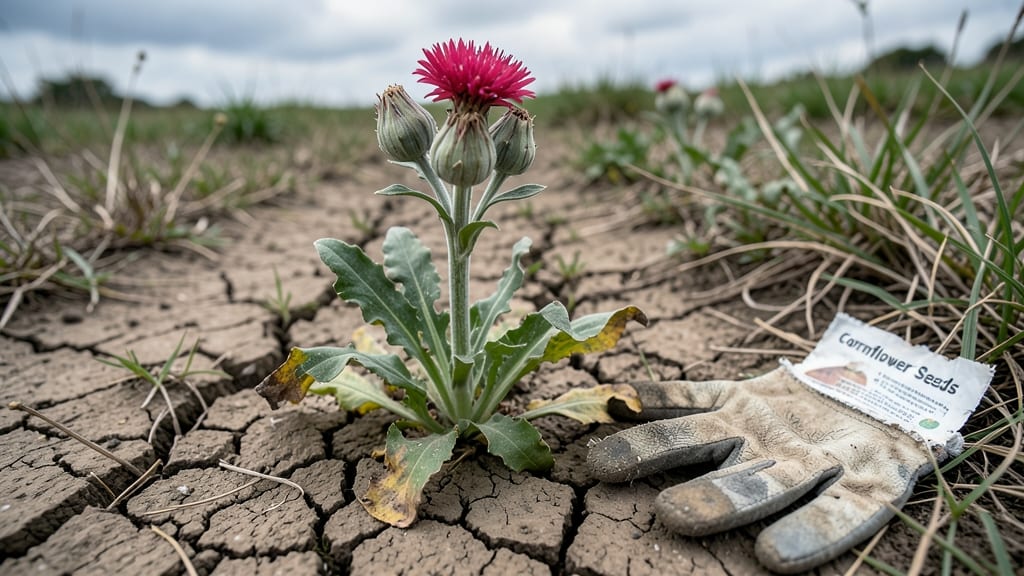
Some flowers never get to bloom and see the day because they’re starved for light—even the toughest varieties need their daily dose of sunshine. 🌿 I’ve watched petunias, impatiens, and even hardy geraniums throw in the towel when tucked in shady corners, their buds wilting before they ever open.
The good news? Light-loving flowers can defy the odds with the right placement and care. The real culprits are often invisible: too little sunlight, over-fertilizing with nitrogen (which fuels leaves, not blooms), or pruning at the wrong time.
Even pests like aphids or fungal stress can trick plants into focusing on survival instead of flowering. But with a few simple tweaks—like moving plants to sunnier spots or adjusting fertilizer ratios—you’ll see buds forming in weeks. Imagine your patio bursting with vibrant blooms by mid-summer, not just lush foliage.
The secret isn’t complicated: 6+ hours of direct sun, balanced fertilizer (low in nitrogen), and strategic pruning to encourage new growth. Even shade-tolerant varieties like begonias will reward you with flowers if you give them the right conditions. This works for containers, garden beds, or even windowsill setups.
Let’s turn those leafy green monsters into blooming stars—starting with the light they crave.
Hidden Forces That Stunt Growth
Even the hardiest flowers can face unseen obstacles that prevent them from ever reaching their full potential. Understanding these factors—rooted in science—can help gardeners troubleshoot and create the ideal conditions for blooms to thrive.
Some flowers are genetically programmed to struggle in specific climates or soil types, no matter how much care they receive. For example: - Short-Day vs. Long-Day Plants: Many light-loving varieties (like Calendula or Zinnia) require precise daylight hours to trigger flowering. If planted in regions with inconsistent sunlight, their internal biological clocks misfire, and they remain in a vegetative state. - Actionable fix: Research your plant’s native growing zone and adjust planting times to align with natural light cycles. - Hybrid Limitations: Some commercial hybrids are bred for vibrancy or disease resistance but sacrifice hardiness. Without the right genetic backbone, they may never bloom robustly. - Pro tip: 🌡️ Opt for heirloom or native varieties when possible—they’re often better adapted to local conditions. Flowers like Sunflowers or Marigolds crave sunlight, but shade—even partial—can derail their development. - Photosynthesis Shortcuts: Insufficient light reduces chlorophyll production, starving the plant of energy. Without enough glucose, flowers fail to form buds. - Key signs: Leggy stems, pale leaves, or buds that drop prematurely. - Seasonal Light Shifts: Overcast winters or dense foliage overhead can trick plants into thinking it’s still dormant, delaying blooms. - Actionable fix: Use reflective mulch or strategically place mirrors to bounce light into shaded areas. For container gardens, rotate pots weekly to ensure even exposure. Hydration is a delicate balance—both drought and overwatering can sabotage blooms. - Root Stress from Drought: Light-loving plants often have shallow roots. Without consistent moisture, they prioritize survival over reproduction, halting flower development. - Quick test: Stick your finger 1–2 inches into the soil. If it’s dry, water deeply but infrequently (e.g., every 3–5 days in summer). - Overwatering’s Hidden Toll: Soggy soil suffocates roots, preventing nutrient uptake. Excess moisture also triggers fungal diseases (like Powdery Mildew), which weaken plants before they can bloom. - Pro tip: ✨ Use drip irrigation or soaker hoses to deliver water directly to roots, reducing waste and fungal risks. Poor soil quality is a top reason flowers never bloom. Here’s how it happens: - Nutrient Deficiencies: Light-loving plants (e.g., Lavender) thrive in well-draining, mineral-rich soil. If nitrogen is too high, they’ll focus on leafy growth instead of flowers. Conversely, a lack of phosphorus stalls bud formation. - Fix it: Conduct a soil test ($20–$50 at garden centers) and amend with compost or bone meal for phosphorus. - pH Imbalances: Most blooming plants prefer slightly acidic to neutral soil (pH 6.0–7.0). If the pH is off, essential nutrients like iron or calcium become locked away. - Actionable fix: Adjust pH with sulfur (to lower) or lime (to raise) based on test results. Even the hardiest flowers can be hijacked by unseen invaders: - Aphids & Spider Mites: These sap-sucking pests drain energy from plants, leaving them too weak to produce flowers. They’re especially problematic in dry, sunny conditions (ironically, the same environments light-loving plants crave). - Natural defense: Spray plants with neem oil weekly or introduce ladybugs, their natural predators. - Fungal Infections: Overcrowded or humid conditions breed diseases like Botrytis (gray mold), which rot buds before they open. - Prevention: Space plants 12–18 inches apart for airflow and water at the base (not overhead) to keep foliage dry. Extreme heat or cold can shock plants into a survival mode, halting blooms. - Heat Stress: Temperatures above 90°F (32°C) can cause Sunflowers to bolt (send up stems prematurely) or drop buds. Some varieties (like Geraniums) may refuse to bloom until cooler weather arrives. - Solution: Provide afternoon shade with shade cloth (30–50% coverage) during peak heat. - Cold Snaps: Frost-sensitive plants (e.g., Petunias) can suffer stunted growth if exposed to temperatures below 50°F (10°C) at night. - Pro tip: 🔥 Use row covers or plant in microclimates (like near south-facing walls) to buffer temperature swings.Reviving Light-Starved Blooms
When sunlight becomes a rare commodity, even the hardiest flowers can feel the strain. But don’t let a lack of light dim your garden’s potential—there are practical, science-backed ways to coax blooms back to life.
Below, we break down the root causes of stunted growth and match them with actionable fixes, plus prevention tips to keep your plants thriving.
---
Fix: Supplement with Artificial Lighting Light-loving plants (like sunflowers, geraniums, or succulents) need 6–8 hours of direct sunlight daily. If your space falls short, grow lights are a game-changer.
- 🔥 Choose the Right Bulbs: - LED grow lights (full-spectrum, energy-efficient) are ideal for indoor setups. - Fluorescent lights work for seedlings but may need upgrading as plants mature. - Place lights 6–12 inches above foliage for optimal coverage.
- 🕒 Set a Light Schedule: - Mimic natural daylight with 12–16 hours of light per day (use timers for consistency). - Rotate plants quarter-turns daily to prevent lopsided growth.
💡 Pro Tip: If using windowsills, south-facing is best—north-facing light is too weak for most bloomers.
---
Fix: Prune and Space Strategically Crowded plants compete for light and nutrients, leading to weak stems and few blooms.
- 🔪 Thin Out Overgrowth: - Remove yellowing or leggy leaves to redirect energy to new growth. - Deadhead spent blooms to encourage more flowers.
- 📏 Reorganize Your Garden: - Space plants 12–24 inches apart (check seed packets for variety-specific needs). - Use reflective surfaces (mirrors, white walls) to bounce extra light onto shaded areas.
🌡️ Prevention Tip: Rotate pots weekly to ensure even light exposure on all sides.
---
Fix: *Adjust Watering and Soil Too much moisture smothers roots, cutting off oxygen and nutrients—critical for blooming.
- 👨🍳 Check Soil Moisture First: - Stick your finger 1 inch into the soil—water only if it’s dry. - Use well-draining pots (terracotta or containers with drainage holes).
- 🥘 Optimize Your Watering Routine: - Water deeply but less frequently (e.g., every 5–7 days for most flowers). - Avoid soggy soil—empty saucers after watering to prevent root rot.
✨ Bonus Fix: Add perlite or sand to potting mix to improve aeration.
---
Fix:** Fertilize Smartly Flowers need balanced nutrients (nitrogen, phosphorus, potassium) to bloom. Yellow leaves or weak stems? It’s time to feed them.
- 📊 Use a Blooming-Specific Fertilizer: - Slow-release granules (like 10-10-10) work for long-term growth. - Liquid fertilizers (e.g., fish emulsion) give a quick phosphorus boost for flowers.
- 🥗 DIY Compost Tea: - Steep worm castings or banana peels in water for 24 hours, then dilute (1:10) and water plants.
🎯 Prevention Tip: Test soil pH (ideal: 6.0–7.0 for most flowers). Adjust with lime (to raise pH) or sulfur (to lower it).
---
Fix: Create a Stable Microclimate Fluctuating temperatures or drafts shock plants, halting blooming.
- 🌡️ Shield from Extreme Conditions: - Move pots indoors if temps drop below 50°F (10°C) or rise above 90°F (32°C). - Use row covers or shade cloth (30–50% coverage) for delicate bloomers.
- 🔥 Boost Humidity (For Indoor Plants): - Place a pebble tray with water near plants or use a humidifier.
💡 Pro Tip: Group plants together—they create their own humidity pocket!
--- Final Thought: Even the sunniest gardens can hit rough patches, but with these targeted fixes, your flowers will get the second chance they deserve.
Start with one adjustment (like light or water), observe changes, and gradually refine your care routine. Blooms aren’t lost—they’re waiting for the right conditions. 🌸
Frequently asked questions
Why do some flowers refuse to bloom even with good care?
Flowers often skip blooming due to hidden factors like insufficient sunlight (6+ hours daily), over-fertilizing with nitrogen (which fuels leaves), or improper pruning. Even pests like aphids can drain energy needed for flowers. Check your plant’s light needs and soil balance first!
Can I make shade-loving plants bloom more?
Most shade plants (like begonias) won’t bloom as heavily as sun-lovers, but you can improve results by using reflective mulch or rotating pots weekly for even light. Boost phosphorus with bone meal fertilizer—this nutrient directly triggers flower formation in many varieties.
What’s the fastest way to get flowers to bloom?
Move plants to the sunniest spot possible, then give them a phosphorus-rich fertilizer (like 5-10-10). Deadhead spent blooms immediately to encourage new growth. For indoor plants, supplement with LED grow lights 12+ hours/day—you’ll often see buds form within 2-3 weeks.
Are there flowers that bloom in low light?
Yes! Try African violets, peperomia, or cast iron plants—they tolerate 4+ hours of indirect light and still produce flowers. For containers, choose compact varieties like bromeliads or spider plants that adapt well to limited sunlight.
Why do my flowers bloom once but never again?
This usually means your plant is stressed from overpruning or exhausted from its first bloom cycle. Let it recover with balanced fertilizer (10-10-10) and consistent sunlight. Many perennials (like geraniums) need a rest period after flowering before reblooming.