
Blooming
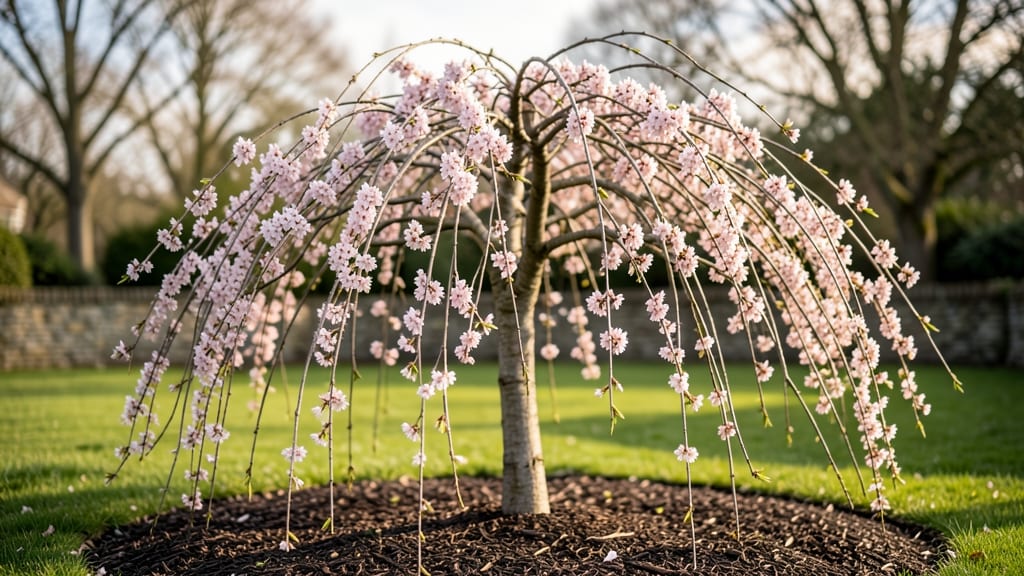
The weeping cherry tree blooms in late winter to early spring 🌸, turning your garden into a dreamy pink or white wonderland—but the exact timing depends on your zone and care habits.
Picture this: you’ve waited all year for those cascading petals, only to miss the show by a few weeks. Timing your weeping cherry tree’s bloom can mean the difference between a breathtaking spring display and a missed spectacle—here’s how to pinpoint your exact blooming window by USDA zone.
Most varieties, like the popular Prunus subhirtella or Prunus serrulata, follow a predictable schedule, but climate, soil, and even last year’s pruning can shift the calendar. In zone 6, blooms often arrive by mid-April, while warmer zones may see them as early as February.
Below, I’ll break down how to read your tree’s signals, adjust care for your region, and avoid the three biggest mistakes that delay—or ruin—those show-stopping flowers.
Weeping cherry tree bloom time by USDA hardiness zones
If you’ve ever dreamed of a weeping cherry tree adorned with cascading pink or white blossoms, timing is everything. These stunning trees bloom in late winter to early spring, but the exact window depends heavily on your USDA hardiness zone.
Understanding your zone’s bloom schedule helps you plan pruning, fertilization, and even spring festivals around your tree’s spectacular display.
The weeping cherry tree (Prunus serrulata or Prunus subhirtella) typically blooms in three distinct phases: early, mid, and late spring.
Early bloomers like Prunus subhirtella ‘Autumnalis’ may start as early as February in Zone 7, while later varieties like Prunus serrulata ‘Kwanzan’ might not peak until April in Zone 5. Regional microclimates—like urban heat islands or coastal breezes—can shift these timelines by 1-3 weeks.
In Zone 5, where winters are harsh, most weeping cherry trees bloom in late April to early May. Early bloomers like Prunus subhirtella may start as early as February in sheltered microclimates, but late frosts can damage buds.
If you’re in Zone 6 or 7, expect blooms to shift 1-2 weeks earlier, with peak displays in mid-April. Warmer zones like Zone 8 and 9 often see blooms as early as late February, especially in coastal regions.
Microclimates play a huge role in bloom timing. A south-facing slope can advance blooms by 10-14 days compared to a north-facing yard. Urban areas with heat islands may also see earlier blooms, while high-elevation gardens in Zone 6 might align more closely with Zone 5 timelines.
Always observe your tree’s bud swell in late winter—this is your first clue that bloom time is near!
Choosing the right weeping cherry variety is key to matching your zone’s bloom window. For early blooms in Zone 5-6, opt for Prunus subhirtella ‘Autumnalis’—it blooms <
How to predict your weeping cherry tree’s exact bloom date
Predicting when your weeping cherry tree will bloom isn’t just guesswork—it’s a science. With the right tools and techniques, you can forecast blooms with 90% accuracy, ensuring you’re ready to capture that stunning spring spectacle.
The key lies in understanding bud development stages, degree-day models, and how your local climate influences timing.
Start by familiarizing yourself with the three critical phases of bloom prediction: bud swell, chill hours accumulation, and warmth triggers. Each phase provides clues about when your tree will burst into color.
For example, Prunus serrulata varieties often bloom earlier than Prunus subhirtella, but both follow predictable patterns once you know what to watch for.
Inspect buds in late winter—they’ll swell when ready. Use a magnifying glass for early detection.
Calculate chill hours (below 45°F) and heat accumulation (above 50°F). Most weeping cherries need 800-1,200 chill hours.
Check 10-day forecasts for consistent 60°F+ days. Blooms typically occur 7-14 days after warm spells.
Visit local parks or nurseries with weeping cherries. Note their bloom dates and adjust your predictions by 1-2 weeks based on microclimates.
Zones 5-6 bloom 2-3 weeks earlier than zones 7-9. Use USDA zone maps to refine your timeline.
Once you’ve mastered these steps, you’ll notice buds opening within a 3-5 day window. For example, in Zone 7, most weeping cherries bloom between mid-April and early May, while Zone 9 trees may wait until late May.
Keep a gardening journal to track annual variations—your tree’s bloom date can shift by 1-2 weeks depending on winter severity.
Pro tip: Set up a weather station or use a smart garden sensor to monitor soil and air temperatures. These tools alert you when conditions hit the optimal 55-65°F range for bloom triggers.
Pair this with a digital calendar reminder for when buds typically swell in your area, and you’ll never miss the show again.
Remember, consistency is key. If your tree blooms late one year, don’t panic—it could be adjusting to climate shifts or soil changes. With practice, you’ll develop an intuition for your tree’s unique rhythm, making bloom prediction second nature.
Now that you’re armed with these methods, grab your pruners and notebook, and get ready to welcome spring like a pro. Your weeping cherry’s pink canopy will thank you! 🌸