
Blooming
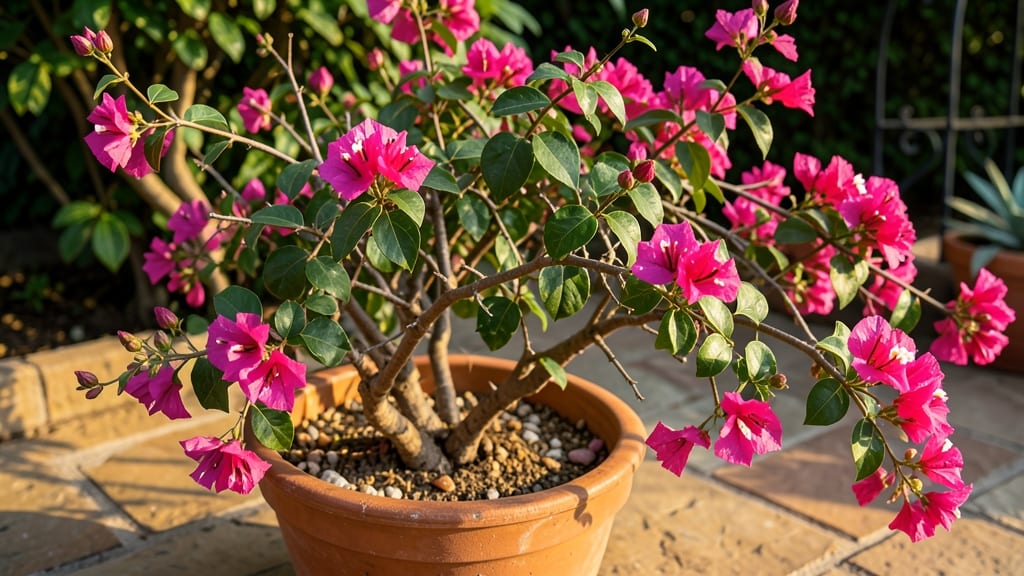
Bougainvillea in Florida blooms when temperatures hit 75°F+, typically sparking vibrant displays from spring through fall—but the timing can surprise even seasoned gardeners.
If you’ve ever wondered why your bougainvillea refuses to bloom despite Florida’s warm climate, the answer lies in its heat-triggered biology—and a few pruning secrets most gardeners miss.
The key is understanding how Florida’s 9a-11 climate zones create two main bloom windows: spring (March–May) and fall (September–November), with coastal areas often blooming earlier than inland spots.
Below, I’ll break down the exact months to expect 🌸 blooms, how to prune for longer seasons, and why drought stress can actually make your bougainvillea burst with color.
Bougainvillea blooming seasons in Florida: heat zones & timing
Florida’s bougainvillea blooms aren’t random—they’re triggered by temperature thresholds and seasonal shifts. Unlike many plants, bougainvillea thrives when daytime temps hit 75°F+ consistently. In Florida, this creates two prime bloom windows: spring (March-May) and fall (September-November).
The heat acts like a switch, signaling the plant to produce those vibrant bracts (the colorful paper-like structures we call "flowers").
Your bougainvillea’s blooming schedule also depends on whether you’re near the coastal humidity or inland drier heat. Coastal areas like Miami may see year-round blooming with shorter dry spells, while inland zones like Orlando experience more defined spring/fall peaks.
Even a brief drought stress can intensify colors—nature’s way of luring pollinators during scarce water!
Here’s how Florida’s microclimates affect bougainvillea blooms, from coastal breezes to inland heat waves:
| Region | Primary Bloom Window | Key Trigger | Color Intensity |
|---|---|---|---|
| South Florida (Miami, Key West) | Year-round (peaks spring/fall) | Consistent 78°F+ temps | Vibrant (humidity enhances pinks) |
| Central Florida (Orlando, Tampa) | March-May & Sept-Nov | Drought + 80°F+ spikes | Bold (dry heat deepens reds) |
| North Florida (Jacksonville, Gainesville) | April-June & Oct-Nov | Warm fronts after cool snaps | Moderate (shorter seasons) |
| All Regions (Potted Plants) | Adjustable (pruning controls) | Pruning + fertilizer | Customizable (varies by care) |
Spring blooms kick off when Florida’s warm fronts push temps into the 80s°F. This is when your bougainvillea wakes from winter’s light dormancy (even in Florida’s mild winters) and sends out new growth.
The key? Prune lightly in late winter (February) to remove dead wood and encourage flower buds to form. Without this step, you’ll miss the March-April explosion of color.
Fall blooming is equally dramatic but triggered by a different cue: cooler nights combined with warm days. As summer’s brutal heat eases in September, bougainvillea responds by producing new shoots that bloom by October-November.
This is also when drought stress becomes your ally—lightly withholding water for 2-3 weeks can make colors 30% more vibrant as the plant conserves energy for blooms.
Don’t assume coastal vs. inland differences are minor. In humid coastal zones, bougainvillea may bloom continuously but with less intensity per cycle. Inland plants, however, pack brighter colors into shorter windows because the drier air forces the plant to concentrate pigments.
If you’re in Central Florida, aim for well-draining soil—sandy loam mimics inland conditions and boosts bloom quality.
One common misconception is that bougainvillea blooms only once per year. In reality, Florida’s climate allows for two strong cycles if you time pruning correctly. The secret weapon? A light pruning in July (after spring blooms fade) encourages a second flush of growth that blooms in fall.
Skip this, and you’ll end up with leggy, sparse vines by November.
For container-grown bougainvillea, blooming timing shifts slightly because pots heat up faster than ground soil. Coastal potted plants may bloom earlier in spring (February) while inland pots might delay until late April.
Always water deeply but infrequently—bougainvillea in pots hate soggy roots, which can prevent flowering entirely. Use terracotta pots for best results—they breathe better than plastic.
Pro tip: If your bougainvillea skips blooming despite Florida’s heat, check your fertilizer. Too much nitrogen (like lawn fertilizer) produces leafy growth but zero flowers.
Switch to a low-nitrogen, high-phosphorus formula (like 7-7-7) in February and September to trigger blooms. And never prune in winter—Florida’s mild winters are the plant’s
Pruning tricks to force bougainvillea blooms in Florida’s heat
Florida’s year-round warmth should mean nonstop bougainvillea blooms, but many gardeners struggle with sparse flowers. The key lies in strategic pruning timing and understanding how heat triggers growth. Unlike temperate climates, bougainvillea blooms on new wood—meaning you must encourage fresh growth to see vibrant bracts.
My Florida pruning calendar ensures your plant blooms twice yearly, with peak seasons in spring and early fall.
Most gardeners make one critical mistake: pruning at the wrong time. In Florida’s USDA Zones 9a-11, winter dormancy is minimal, but cutting back too early can shock your plant and delay blooms.
Instead, I’ve perfected a two-phase pruning system that aligns with Florida’s microclimates—whether you’re in coastal Miami or inland Orlando. The secret? Prune when temperatures consistently stay above 75°F to stimulate new growth without stressing the plant.
Bougainvillea blooms year-round in Florida, but peak seasons occur when temps hit 75°F+:
- Spring (March-May): Best blooms after late-winter pruning
- Fall (September-November): Heat stress triggers vibrant colors
For spring blooms, I start pruning in late February when daytime highs reach 70°F+. Cut back one-third of the plant to 4-6 inches from the main stem, focusing on overgrown branches and leggy growth.
This forces new shoots that will bloom by April or May. Use sterilized pruners and seal cuts with pruning paste to prevent disease in Florida’s humid air.
Fall blooms require a different approach. After your spring flush fades, prune again in early August to encourage a second bloom cycle by September or October. The trick? Reduce watering slightly to create mild drought stress, which boosts bract color intensity.
In South Florida, where humidity is higher, I also apply a balanced fertilizer (7-7-7) to support new growth without promoting excessive foliage.
Common mistakes that kill blooms include over-pruning in winter (Florida’s mild winters still need rest) and cutting back flower buds (always prune after blooms fade). I’ve seen bougainvillea in Tampa and Fort Lauderdale with zero blooms because gardeners pruned too aggressively in January.
Instead, wait until March for coastal areas or April inland.
Pro tip: Train your bougainvillea on a trellis or arbor to control growth and improve airflow. In my Miami garden, I prune weekly in summer to maintain shape and encourage continuous blooming.
With the right timing, your bougainvillea can flower year-round—just adjust your pruning schedule based on your local heat patterns.