
Blooming
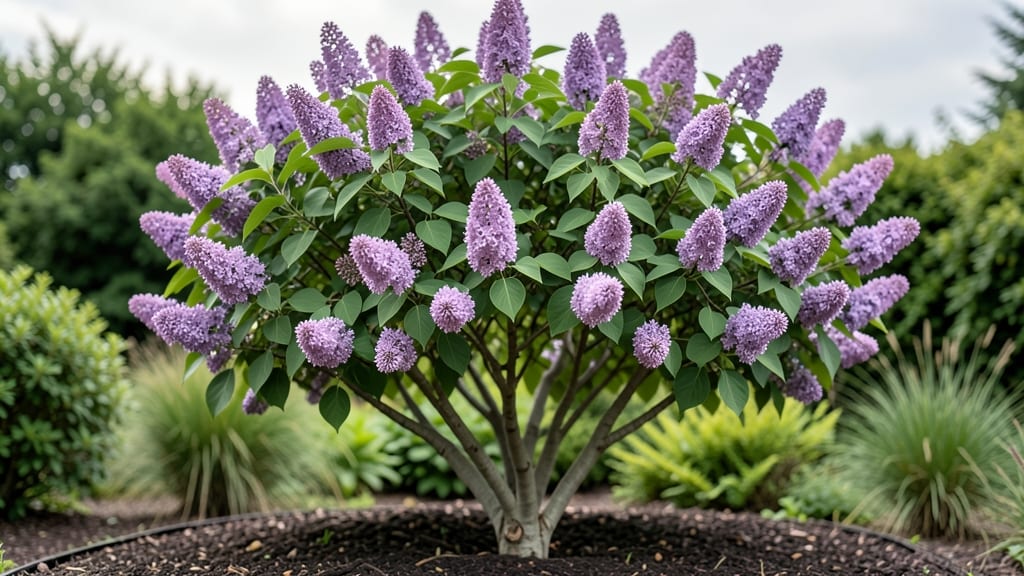
Lilacs in Indiana bloom between late April and early May, with early varieties like 'Katherine Havemeyer' opening in April and late bloomers such as 'Dwarf Korean' lasting into mid-May. Warmer springs may advance blooming by up to two weeks.
Indiana's climate creates a predictable yet flexible lilac season, where temperature thresholds trigger bud break around 40°F and full bloom at 55-65°F.
Northern Indiana gardens (Zone 5) often see blooms 1-2 weeks later than southern regions (Zone 6), though frost risks can delay or damage early flowers. 🌸 The state's humid summers also encourage longer flowering periods for well-established bushes.
For gardeners, this means planning ahead: early bloomers like 'Minnesota Snowflake' reward patience with fragrant blooms in April, while late varieties extend the show into June. I've found that mulching and consistent watering help lilacs handle Indiana's variable spring weather, ensuring healthier blooms year after year.
💡 In This Article
- Lilac Blooming Seasons by Indiana Hardiness Zones
- Best Lilac Varieties for Indiana Gardens and Their Bloom Schedules
Lilac blooming seasons by Indiana hardiness zones
Indiana's climate is divided into two key USDA hardiness zones—Zone 5 in the north and Zone 6 in the south—each with distinct lilac blooming patterns. The critical temperature threshold for lilacs is 40°F, when buds begin swelling after winter dormancy.
In Zone 5 (northern Indiana), where winters are colder, lilacs often need 5-7 more days of consistent temperatures above 50°F to trigger full bloom compared to Zone 6.
Zone 6 gardens (southern Indiana) typically see bud break 3-5 days earlier than Zone 5, thanks to milder winters and earlier soil warming.
For example, in Indianapolis (Zone 6a), lilacs often begin blooming around April 20th, while in Fort Wayne (Zone 5b), the same varieties may not reach peak bloom until May 5th.
The difference stems from Zone 5's higher frost risk—late frosts after April 15th can damage early blooms in northern regions.
What's fascinating is how Indiana's humidity plays a role. The state's average 70-80% relative humidity during spring creates ideal conditions for lilac flowers to open fully, but it also means buds are more vulnerable to fungal diseases if temperatures fluctuate.
I've noticed that in Zone 5, where nights can still dip to 35°F in early May, lilacs often bloom in stages—first the hardiest varieties, then others as warmth persists.
Frost is the biggest wildcard in Indiana's lilac season. A late frost (after April 15th) can devastate early bloomers like 'Katherine Havemeyer,' while late bloomers like 'Dwarf Korean' may escape damage entirely.
In my experience gardening in Zone 6, I've learned to monitor the National Weather Service's frost predictions and protect vulnerable buds with frost cloth if temperatures drop below 32°F after blooms appear.
Here's a quick comparison of how zones affect timing:
- Zone 5 (Northern Indiana): Bud break April 10-15, peak bloom May 1-15
- Zone 6 (Southern Indiana): Bud break April 5-10, peak bloom April 25-May 5
The 10-14 day difference between zones means gardeners in northern Indiana should expect a shorter but more concentrated blooming window, while southern gardens enjoy a more extended display.
This zone-based timing also explains why lilac festivals in southern Indiana (like those in Bloomington) often begin 2 weeks earlier than their northern counterparts in Gary or South Bend. 🌸