
Blooming
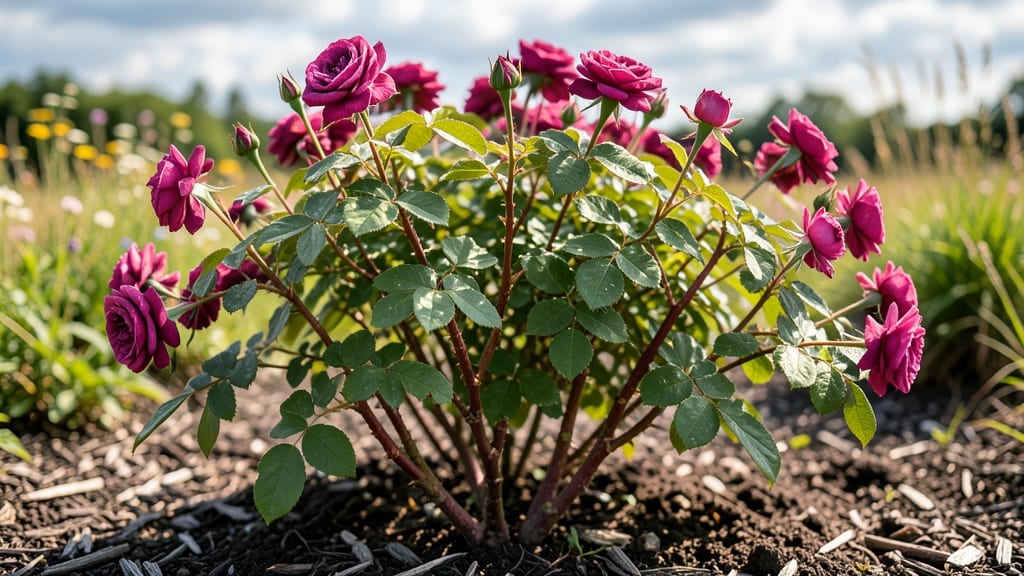
Michigan roses bloom between late May and October, with varieties like hybrid teas peaking in June-July and repeat-flowering types extending into September or October, though frost risks delay early blooms in northern regions like the Upper Peninsula.
Michigan's rose blooming season varies dramatically by variety, with early spring bloomers like David Austin English Roses often appearing as soon as April or May in southern regions, while northern gardens may wait until June due to late frosts. 🌹 The state's diverse climate means gardeners in zone 5 or 6 should expect staggered blooms—some roses may even produce a second flush in late summer if temperatures cooperate.
For best results, I recommend planting cold-hardy varieties like Knock Out roses or Dr. Huey, which tolerate Michigan's unpredictable weather patterns better than delicate hybrid teas.
What many gardeners don't realize is that Michigan's late-summer heat waves can actually trigger additional blooms in August and September, especially for repeat-flowering varieties. However, a single 28°F frost can devastate unprotected blooms, so I always keep frost cloths ready for September plantings.
The key is monitoring your local USDA hardiness zone—gardeners in zone 4 areas should start their season 2-3 weeks later than those in zone 6.
💡 In This Article
- Michigan Rose Blooming Seasons by Variety
- Protecting Michigan Roses from Frost and Late Blooms
Michigan rose blooming seasons by variety
Michigan's rose blooming seasons hinge on variety-specific genetics and environmental triggers. Early bloomers like David Austin English Roses or Gertrude Jekyll often emerge in late April to May in southern Michigan (zones 6a-6b), but northern gardens (zones 4b-5a) may wait until mid-May due to lingering frost risks.
These roses rely on chilling hours (300-500 hours below 45°F) to break dormancy, which explains why northern regions bloom 2-3 weeks later than southern areas.
The peak blooming window for classic hybrid teas and grandifloras occurs in June and July, when daytime temperatures consistently reach 70-80°F and nighttime lows stay above 50°F. This period aligns with Michigan's warmest months, providing ideal conditions for their 5-7 day bloom cycle.
For example, the Double Delight hybrid tea typically blooms 10-14 days after its buds swell to 1-inch diameter—a visual cue gardeners can use to predict peak season.
Late-season varieties like Knock Out roses and Earth-Kind roses defy Michigan's seasonal expectations by producing continuous blooms from July through October. These varieties thrive because they're bred for disease resistance and cold tolerance, allowing them to rebound quickly after frost events.
The Dr. Huey rose, for instance, can withstand temperatures down to 20°F and often blooms again 4-6 weeks after a light frost, making it a favorite for northern Michigan gardens.
Climate plays a surprising role in late blooms. Michigan's September heat waves (when temperatures spike to 85-90°F for 3+ days) can trigger secondary blooming in repeat-flowering varieties. This phenomenon occurs because the heat mimics summer conditions, fooling the plant into producing new buds.
However, a 28°F frost in early October can wipe out unprotected blooms within hours, which is why I always monitor the National Weather Service's frost advisory system for my zone 5 garden.
For gardeners in zone 4 areas (like the Upper Peninsula), the blooming season typically starts 3-4 weeks later than in Detroit. This delay occurs because the region requires additional chilling hours to break dormancy.
For example, while zone 6 gardens might see April blooms, zone 4 gardens often wait until mid-May. The key difference lies in soil temperature—zone 4 soils may remain below 50°F for weeks longer, slowing root activity and delaying bud formation.
Consider these variety-specific bloom windows when planning your garden:
- Early bloomers (April-May): David Austin English Roses, Gertrude Jekyll (zones 5-9)
- Mid-season (June-July): Hybrid teas, Grandifloras, Floribundas (zones 4-9)
- Late bloomers (August-October): Knock Out roses, Earth-Kind roses, Dr. Huey (zones 3-9)
The secret to extending your Michigan rose season lies in choosing varieties that match your local climate zone and understanding how temperature fluctuations influence bloom cycles. 🌟