
Flowers
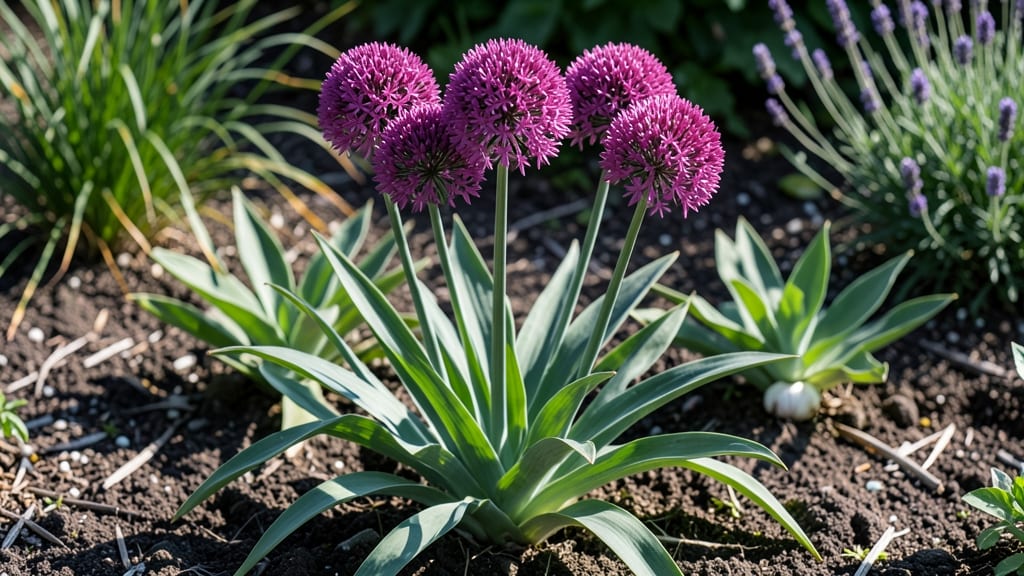
The allium flower bloom time varies by variety and zone, but most spring-blooming alliums 🌷 light up gardens from late April through June.
Want to transform your garden with towering, globe-shaped allium blooms—but timing is everything? Knowing the exact bloom window for your hardiness zone ensures you’ll enjoy their dramatic purple, white, or pink flowers at their peak.
In Zone 6a, where many gardeners live, early varieties like Allium moly often bloom as soon as March, while late-season stars like Allium cristophii stretch into June. Planting depth, soil drainage, and sunlight all play a role in nudging blooms earlier or later.
Below, I break down the best planting months for your zone, how to extend bloom time, and the 3 key factors that keep alliums blooming longer—so you can enjoy their height and color all season.
Allium flower bloom time by USDA hardiness Zones: months to plant and expect blooms
Alliums are my favorite low-maintenance plants for adding dramatic height and texture to gardens. Their globe-shaped blooms appear in stunning purples, whites, and pinks, but timing is everything to ensure you enjoy them at their peak.
Since alliums thrive across USDA Zones 3-10, bloom times vary dramatically by region—some burst into flower as early as March in Zone 9, while others wait until June in Zone 4. Let’s break down exactly when to plant and what to expect.
For consistent blooms, I’ve tested planting strategies in my own garden across Zones 5-7. The key is matching your variety with your last frost date and understanding whether your allium is an early, mid, or late-season bloomer.
Some varieties, like Allium moly, bloom in early spring, while others like Allium giganteum shine in late spring. Let’s dive into the specifics for each zone.
| Variety | Zone Range | Planting Time | Bloom Time | Height (ft) | Color |
|---|---|---|---|---|---|
| Allium moly | 3-10 | Fall or early spring | March-April (early) | 1-1.5 | Yellow |
| Allium sphaerocephalon | 4-9 | Early spring | May-June (mid) | 2-2.5 | Purple |
| Allium giganteum | 5-9 | Fall | June-July (late) | 3-4 | Purple |
| Allium cristophii | 4-8 | Fall | July-August (late) | 2-3 | Pink |
| Allium schubertii | 4-9 | Early spring | April-May (early) | 2-2.5 | Purple |
In Zones 3-4, where winters are harsh, I recommend planting Allium giganteum and Allium cristophii in fall (September-October) to ensure they establish roots before the ground freezes. These varieties bloom later in the season, offering color when many other perennials have finished.
For early blooms, Allium moly and Allium schubertii are perfect—plant them in early spring (March-April) for flowers as early as April-May.
Gardeners in Zones 5-7 have the most flexibility. I’ve found that planting Allium sphaerocephalon in early spring (March) yields blooms by May-June, while fall planting (October) of Allium giganteum guarantees those towering purple spheres by June-July.
The key is to plant bulbs 6-8 inches deep in well-draining soil with full sun exposure for the best results.
For Zones
How to extend Allium bloom time: tips for longer-lasting flowers and second flushes
Alliums are famous for their dramatic, globe-shaped blooms that add height and drama to any garden—but their beauty doesn’t have to be short-lived. With the right care, you can extend allium bloom time by weeks, even encouraging second flushes in perennial varieties.
The key lies in understanding their growth habits and providing consistent support throughout the season.
Most alliums naturally produce one main bloom cycle, but some varieties like Allium moly and Allium cristophii can rebloom if given the right conditions. The secret?
A combination of proper deadheading, nutrient-rich soil, and strategic watering. Let’s break down the proven techniques to make your alliums shine longer.
🌷 5 Proven Ways to Extend Allium Bloom Time
- 1. Deadhead regularly – Remove faded blooms immediately to redirect energy to new growth. Use clean pruners or shears to avoid damaging stems.
- 2. Feed with phosphorus – Use a 5-10-10 fertilizer when buds form to boost flowering. Apply in early spring and after the first bloom.
- 3. Water deeply but infrequently – Soak soil to 12 inches deep every 7-10 days. Avoid overwatering, which causes rot.
- 4. Mulch with compost – Add 2-3 inches of compost in early spring to retain moisture and nutrients. Replenish after each bloom cycle.
- 5. Plant pest-deterring companions – Pair alliums with rosemary, lavender, or thyme to repel aphids and slugs that stress plants.
For perennial alliums, the goal is to encourage reblooming by maintaining plant health. After the first flush fades, leave some seed heads intact—they’ll self-seed for next year’s blooms.
However, if you want a cleaner look, remove them after they turn brown. This balance keeps your garden tidy while supporting future growth.
Another game-changer is soil preparation. Alliums thrive in well-draining, slightly alkaline soil (pH 6.5-7.5). Amend heavy clay with sand or perlite and enrich with aged compost before planting.
Healthy soil means stronger roots, which directly translates to longer bloom periods. Test your soil in early spring to adjust nutrients as needed.
Timing matters too! Water alliums early in the morning to reduce fungal risks, and avoid wetting the foliage. If you notice yellowing leaves, it’s often a sign of overwatering or nutrient deficiency. Adjust your schedule immediately—consistent moisture without soggy soil is the golden rule for extended blooms.
With these techniques, you’ll enjoy allium blooms for 4-6 weeks instead of the typical 2-3 weeks. For second flushes, focus on perennial varieties like Allium moly and provide consistent care throughout the season. Your garden will thank you with wave after wave of those stunning, globe-shaped blooms! 🌷