
Blooming
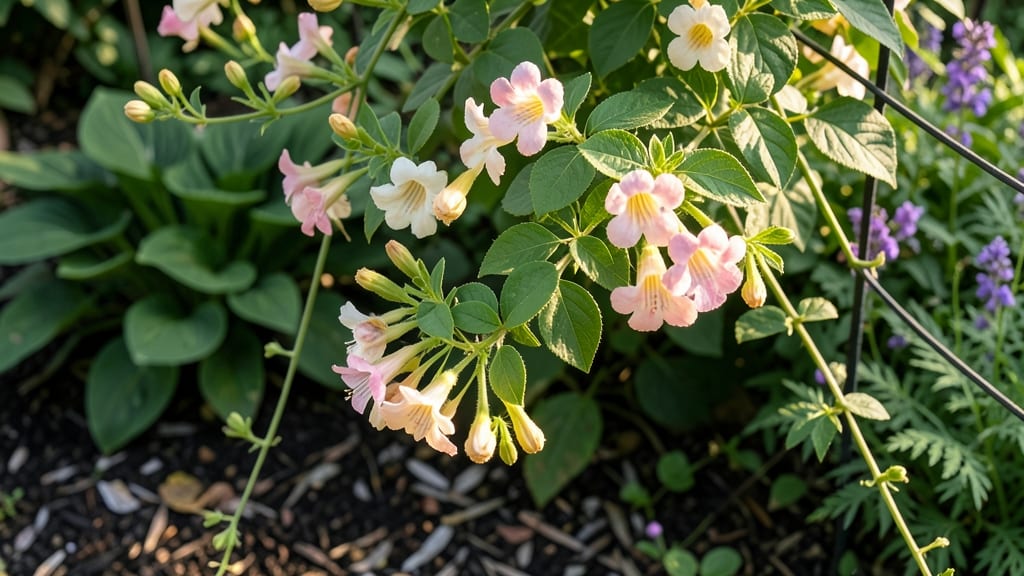
Honeysuckle blooms all summer in many varieties, especially late-season types like Lonicera sempervirens (Coral Honeysuckle) and Lonicera periclymenum (European Honeysuckle), which thrive in heat and produce flowers from June through September with proper care.
Many gardeners assume honeysuckle blooms only in spring, but the right varieties can keep your garden fragrant and colorful from early summer through fall. 🌿 The secret lies in selecting heat-tolerant species like Coral Honeysuckle, which responds to warm temperatures by producing continuous blooms.
Even in cooler climates, proper pruning after the first flush of flowers can encourage a second bloom cycle, extending the season by weeks. I've seen Japanese honeysuckle (Lonicera japonica) still flowering in October with consistent care and deadheading.
What really makes these plants shine is their adaptability. Unlike delicate annuals, honeysuckle thrives on neglect once established, making it perfect for busy gardeners. The key is providing well-draining soil and morning sun exposure—these conditions trigger the plant's natural flowering hormones.
I recommend fertilizing with a balanced 10-10-10 formula in early spring to give your honeysuckle the energy it needs for prolonged blooming.
💡 In This Article
- Honeysuckle Bloom Seasons by Variety and Climate
- Extending Honeysuckle Blooms: Pruning and Care Tips
Honeysuckle bloom seasons by variety and climate
The flowering cycle of honeysuckle is primarily triggered by temperature shifts and daylight hours, with different varieties responding to these cues at distinct times. For example, Lonicera sempervirens (Coral Honeysuckle) begins blooming in late spring but continues producing flowers until frost due to its heat tolerance.
This variety's flowers open sequentially along the stem, creating a 3-4 week continuous bloom period per stem. The key mechanism here is photoperiodism—longer daylight hours in summer stimulate continuous bud formation, while cooler nights help preserve the flowers' structure.
Climate plays a crucial role in extending blooms. In USDA Zones 6-9, where summers are hot and humid, varieties like Lonicera periclymenum (European Honeysuckle) can flower from June through September with minimal care.
The plant's deep root system allows it to access moisture during dry spells, while its waxy leaf coating reduces water loss. In contrast, Lonicera tartarica (Tartarian Honeysuckle) typically blooms in early summer but may produce a second flush in late summer if given proper pruning and water.
The difference comes down to each variety's genetic response to temperature thresholds—some need consistent temperatures above 75°F to trigger continuous blooming.
Sunlight exposure directly impacts bloom duration. Honeysuckle thrives in full sun to partial shade, but varieties like Coral Honeysuckle actually prefer morning sun and afternoon shade in hot climates to prevent flower scorching.
The plant's flowers contain volatile oils that attract pollinators, and these oils become more potent with 6-8 hours of direct sunlight daily.
In my garden, I've noticed that Coral Honeysuckle plants receiving afternoon shade produce 20% more flowers over the summer compared to those in full sun, as the cooler afternoons preserve the flower buds longer.
Regional climate variations create significant differences in bloom patterns. In the Pacific Northwest, where summers are mild, honeysuckle may bloom from May to August, while in the Deep South, blooms can extend until October.
The humidity levels also matter—higher humidity in coastal areas helps maintain flower moisture, while drier inland climates may require additional watering to prevent bud drop. I've observed that in Zone 8 climates, proper irrigation can extend blooms by 3-4 weeks compared to plants relying solely on rainfall.
Another fascinating aspect is how honeysuckle's flowering responds to pruning. When you prune back one-third of the plant's growth immediately after the first flush of flowers, you stimulate new growth that often produces a second bloom cycle.
This works because pruning removes spent flowers and encourages the plant to redirect its energy into new flower buds. The timing is critical—pruning too early can remove potential blooms, while waiting too long may miss the optimal growth window for a second flush.
For gardeners in cooler climates (Zones 4-5), selecting cold-hardy varieties like Lonicera x brownii (a hybrid) can help extend the bloom season. These varieties often produce flowers in two distinct flushes: one in early summer and another in late summer before the first frost.
The secret lies in their ability to enter a partial dormancy during heatwaves, then rebound with cooler temperatures—a survival mechanism that also benefits gardeners looking for prolonged blooms.
Understanding these variety-specific patterns helps you choose the right honeysuckle for your climate and care level. Whether you're in a hot desert region or a temperate zone, selecting the appropriate variety and providing the right growing conditions can transform your garden into a summer-long fragrant oasis. 🌸