
Blooming
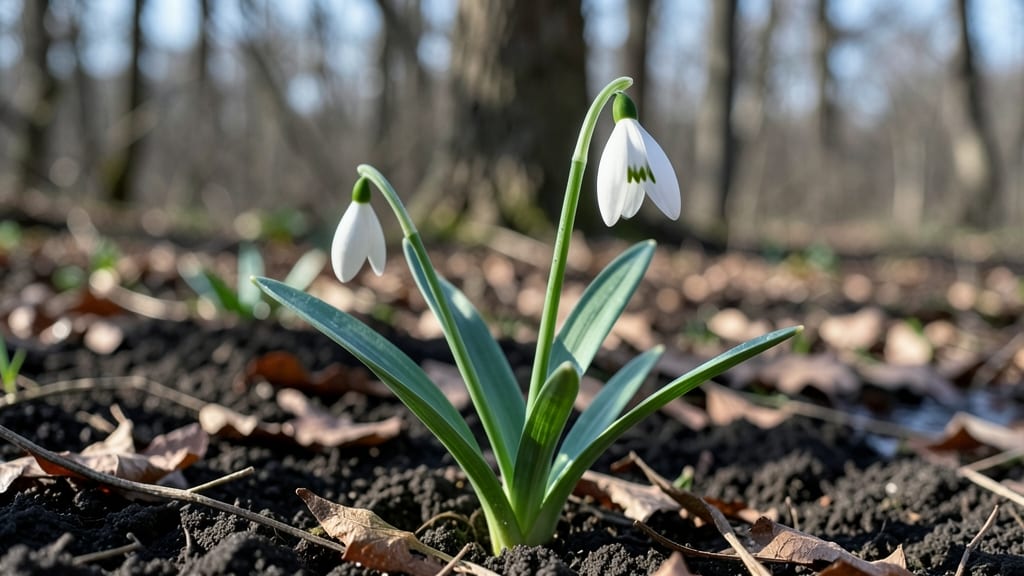
Snowdrops bloom at the right time when most gardens are still buried under frost, their delicate white bells signaling spring’s arrival weeks before crocuses or hellebores even think about waking up. 🌱 I’ve watched them push through snow in my Zone 5 garden, their cheerful faces appearing as early as late January—sometimes even in December if winter’s mild.
Unlike other early bloomers, snowdrops thrive in the cold, making them the unsung heroes of winter gardens.
The timing depends on your climate: in warmer regions like Zone 7, they might bloom as early as November, while colder areas (Zone 3-4) see them in February or March. Sunlight and soil matter too—partial shade and well-draining soil keep them happy, while soggy conditions delay blooms.
Plant them in fall for best results, and they’ll reward you with years of early color.
What makes them special isn’t just their timing but their resilience. While crocuses and hellebores follow suit, snowdrops often rebloom later in the season, giving you two waves of flowers from a single plant.
Their ability to naturalize means they’ll spread over time, creating a carpet of white under trees and shrubs.
For gardeners eager to bring life to winter landscapes, snowdrops are a foolproof choice. They handle neglect, deer rarely bother them, and their early blooms attract pollinators when little else is in flower. Once established, they’ll bloom reliably for decades—proof that beauty doesn’t need warmth to thrive.
📚 In This Guide
- What you need
- Instructions
- Tips and common mistakes
- Wrapping up and next steps
What you need
- ● Snowdrop bulbs (Galanthus spp.) – Choose hardy varieties like Galanthus nivalis (Common Snowdrop) or Galanthus elwesii (Giant Snowdrop). Quantity: 10–50 bulbs per 10 sq. ft. (adjust for desired density).
- ● Well-draining soil – Snowdrops thrive in moist but not soggy soil with a pH of 6.0–7.5. Amend heavy clay with compost or sand if needed.
- ● Organic mulch – 2–3 inches of shredded bark, leaves, or straw to insulate roots and retain moisture.
- ● Garden trowel or bulb planter – For precise planting (bulbs should sit 2–3 inches deep, 4–6 inches apart).
- ● Watering can or hose with a gentle spray nozzle – Snowdrops need consistent moisture but hate waterlogged soil.
- ● Garden gloves – Protect your hands from thorns (if planting near roses) or sharp tools.
- ○ Soil test kit – Optional but helpful to check pH and nutrient levels before planting.
- ● Fertilizer (balanced 10-10-10 or bone meal) – A light application in fall boosts bulb health (avoid over-fertilizing!).
- ● Garden twine or stakes – Useful if planting near slopes or heavy snowfall-prone areas.
- ● Seed trays or pots (for seed-growing) – If starting from seed, use well-draining pots and a cool greenhouse or shaded outdoor spot.
How to time snowdrop blooms for maximum chilly-season beauty
Here's how I coax these early harbingers of spring to bloom reliably every year—no matter how harsh your winter.
⏰ Step 1: Plant at the Right Time for Winter Bloom
Snowdrops thrive when planted in late summer to early fall, ideally 6-8 weeks before your first hard frost. This gives roots time to establish before winter dormancy. I dig a hole twice as wide as the root ball but only as deep—never deeper, or they'll rot. The bulbs naturally push up through snow, so don't bury them too deep.
For best results, plant in partial to full shade where soil stays cool and moist. A spot under deciduous trees works perfectly—their leaves protect the bulbs from late-season heat while allowing winter sunlight. I always plant in clumps of 5-7 bulbs for a natural, drifty look. Watch for green shoots in early fall—that's your confirmation they're settling in.
🌱 Step 2: Prepare Soil for Winter Resilience
Amend the planting area with 2-3 inches of compost mixed into the top 6 inches of soil. Snowdrops prefer well-draining but moisture-retentive soil—think of it as a sponge that holds water but doesn't stay soggy. I add a handful of perlite or coarse sand to heavier clay soils to prevent winter rot.
Test your soil's moisture level in late fall: press your finger 1 inch deep—if it feels dry, water lightly. But here's the thing: don't overwater after planting. Too much moisture in cold soil suffocates roots. Instead, let nature handle it. The bulbs will store water in their scales, giving them energy to push through snow.
☀️ Step 3: Protect from Late Thaws and Freeze-Thaw Cycles
Snowdrops handle frost beautifully, but late winter thaws followed by hard freezes can damage emerging shoots. I cover newly planted areas with 2-3 inches of mulch (like shredded leaves or straw) after the ground freezes. This creates a protective insulating blanket that moderates temperature swings.
Remove mulch in early spring (when daytime temps consistently stay above 40°F) to let sunlight trigger blooming. You'll see green shoots poking through snow as early as January in mild climates, or February-March in colder zones. Never remove mulch before this—you'll shock tender new growth.
✂️ Step 4: Encourage Repeat Blooming Through Seasonal Care
After flowers fade, never cut back foliage—let it yellow naturally. This process feeds the bulb for next year's blooms. I mark flower stems with popsicle sticks so I remember not to disturb them. When leaves finally brown in late spring, you can trim them back, but only after they've turned completely crisp.
Feed lightly in early fall with a balanced 10-10-10 fertilizer (about ½ teaspoon per bulb). This gives roots a boost before winter. In spring, switch to a low-nitrogen formula (like 5-10-10) to encourage blooming over leafy growth. You'll notice sturdier stems and more flowers the following winter if you follow this schedule.
🌿 Step 5: Divide and Multiply for Long-Term Abundance
Every 3-4 years, snowdrops multiply rapidly. In early summer (after foliage dies back), dig up clumps and separate the small offsets from the main bulbs. Replant immediately in shaded, moist spots. I always keep at least 3 bulbs together—they bloom better in groups.
Here's the trick: plant offsets at the same depth as the mother bulb. Deeper planting delays blooming, while shallower planting can expose bulbs to drying. After replanting, water thoroughly but reduce frequency—snowdrops hate soggy soil in summer. You'll see new blooms in 1-2 years from these divisions.
Tips & tricks for perfect snowdrop bloom timing
These little tricks will help you coax those delicate white blooms through even the coldest winters—without the guesswork.
Timing is Everything: When planting in late summer to early fall, check your local frost date and count back 6-8 weeks. This ensures roots establish before dormancy. I mark my calendar with the first hard frost date and work backward—it's a game-changer for consistency. If you're in doubt, err on the earlier side; snowdrops are forgiving but need time to root before winter.
Soil Prep Secret: That 2-3 inches of compost in the top 6 inches of soil isn't just fluff—it's their winter lifeline. I mix in a handful of perlite to clay soils to prevent rot, but here's what nobody tells you: test your soil's moisture by pressing your finger 1 inch deep in late fall. If it feels dry, give it a light watering, but never soggy. Think "damp sponge," not "mud puddle."
Mulch Like a Pro: The 2-3 inches of mulch after ground freeze isn't just decoration—it's their cozy blanket. I use shredded leaves because they break down slowly and add nutrients. The key is timing: wait until the ground is frozen before applying. If you mulch too early, it can trap heat and encourage rot. And when removing in early spring, wait until daytime temps stay above 40°F—this prevents shocking tender shoots.
Foliage Care: Those yellowing leaves after blooming? Never cut them back. I mark stems with popsicle sticks to remind myself, and I've never regretted it. The leaves photosynthesize until they're crisp brown, storing energy for next year's blooms. If you cut too soon, you're basically telling your snowdrops, "Sorry, no energy for next winter."
Pro Tips for Snowdrops Bloom Time
- These little tricks will help you coax those delicate white blooms through even the coldest winters—without the guess...
- Timing is Everything: When planting in late summer to early fall, check your local frost date and count back 6-8 week...
- Soil Prep Secret: That 2-3 inches of compost in the top 6 inches of soil isn't just fluff—it's their winter lifeline....
Frequently asked questions
about snowdrop bloom time—because winter’s early blooms spark curiosity! Here’s what you’ve been wondering:When do snowdrops typically bloom?
Snowdrops usually bloom very early in winter or late winter, often between January and March, depending on your climate. In milder regions, they may appear as early as December, while colder areas might see them in February or March. Their exact timing can vary by specific variety and local frost patterns.
Will snowdrops bloom if there’s still snow on the ground?
Snowdrops are frost-tolerant champions and often bloom right through snow. Their name comes from their ability to push through light snow cover. However, heavy snow or ice might delay blooming until conditions improve. They thrive in partial shade, which helps protect them from harsh winter elements.
What should I do if my snowdrops aren’t blooming?
If your snowdrops are leafy but not flowering, check these common issues:
- Age: Young plants (under 2 years) may focus on root growth first.
- Light: Too much direct sun can stress them—ensure they’re in partial shade.
- Soil: Poor drainage or compacted soil can stunt blooms. Amend with compost.
- Patience: Some varieties bloom every other year—don’t panic!
If they’re completely dormant, they might need a winter mulch for insulation.
Are there snowdrop alternatives for later blooms?
If you love early blooms but want variety, try these winter-friendly alternatives:
- Winter Aconite (Eranthis hyemalis): Bright yellow blooms in January–February.
- Crocuses (Crocus spp.): Some varieties bloom in late winter (e.g., Crocus tommasinianus).
- Hellebores (Helleborus niger): "Christmas Rose" blooms from December to March.
- Snowflakes (Leucojum vernum): Similar to snowdrops but bloom slightly later (February–March).
All thrive in cool, shaded spots like snowdrops!
Can I force snowdrops to bloom earlier or later?
Snowdrops are naturally timed by temperature and daylight, so you can’t force them to bloom earlier or later. However, you can:
- Extend blooming season by planting multiple varieties with staggered bloom times.
- Create ideal conditions: Ensure well-draining, moist soil and partial shade to support healthy growth.
- Avoid over-fertilizing—too much nitrogen can reduce flowering.
For container growing, move pots to a sheltered spot (like a garage or cold frame) in late fall to protect from extreme cold.
Wrapping up and next steps
Snowdrops are nature’s charming harbingers of spring, blooming early to defy frost and brighten winter’s end. Their delicate beauty and hardy resilience remind us that even the coldest seasons hold magic—if you know where to look! 🌱❄️
Now that you’re armed with timing tips and care tricks, why not plant a few snowdrops this fall? A small patch of these winter bloomers will reward you with months of joy, proving that patience—and a little frost—grows the sweetest surprises. Happy gardening!