
Blooming
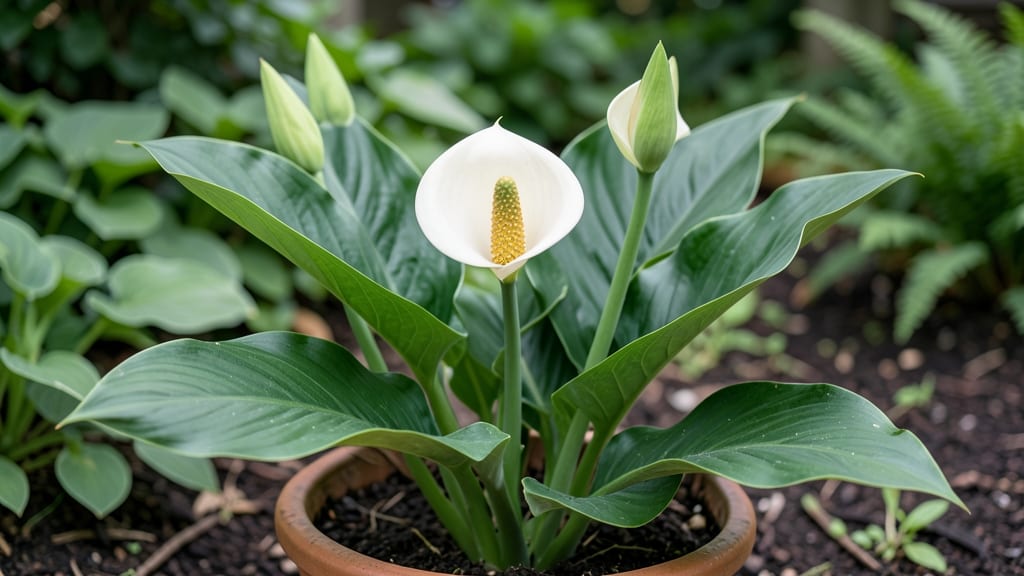
The calla lily bloom time in late spring through summer can be accelerated indoors with the right tricks—so you can enjoy stunning blooms in just 8 weeks—even if you’ve never grown them before.
Want to enjoy lush, exotic calla lily blooms indoors—even if you’ve never grown them before? With the right timing and techniques, you can force these stunning flowers to bloom in just 8 weeks, transforming your home into a tropical paradise.
Most gardeners assume calla lilies only thrive outdoors, but their natural bloom cycle actually makes them perfect for indoor forcing—especially in cooler climates like USDA Zone 6a. The key lies in mimicking their dormancy period and adjusting light, soil, and temperature at the right times.
In this guide, I’ll walk you through the exact steps to time your calla lilies for peak blooms, including variety-specific tips (like Zantedeschia aethiopica vs. Zantedeschia rehmannii) and how to troubleshoot common pitfalls—so you can enjoy vibrant flowers year-round.
Understanding calla lily bloom cycles and forcing requirements
Calla lilies (Zantedeschia spp.) are tropical beauties that thrive on precise timing and conditions. Their natural bloom cycles typically occur in late spring to summer, but with the right techniques, you can force them to bloom indoors year-round.
The key lies in understanding their dormancy triggers and mimicking their native tropical environment.
In the wild, calla lilies experience distinct seasons with cool dormancy periods followed by warm, humid growth phases. For indoor forcing, we replicate this cycle by exposing tubers to 6-8 weeks of cold treatment before transitioning to warm, bright conditions.
This process tricks the plant into thinking spring has arrived, prompting blooms.
Here’s how their bloom cycle breaks down: leaf emergence (4-6 weeks after planting), spike development (2-3 weeks later), and finally bloom opening (3-4 weeks post-spike). Each stage requires specific care to ensure success.
The forcing process begins with selecting healthy calla lily tubers—look for firm, plump rhizomes with visible growth points. Store them in a cool, dark place (50-55°F) for 6-8 weeks to break dormancy. This mimics winter conditions and ensures synchronized blooming when you transition them to warmth.
Once your tubers wake up, plant them in a well-draining potting mix with added perlite or sand to prevent rot. Place containers in a bright location (like an east-facing window) where they’ll receive 6-8 hours of indirect light daily. Avoid direct sunlight, which can scorch the delicate leaves.
Temperature control is critical during forcing. Maintain 70-75°F daytime temps and 60-65°F nights to encourage steady growth. Use a heat mat if your home runs cooler, especially in winter. Without proper warmth, your calla lilies may produce leaves but no blooms.
Soil moisture plays a subtle but vital role. Keep the mix consistently moist but never soggy—calla lilies hate wet feet. Water when the top inch feels dry, and always use room-temperature water to avoid shocking the roots.
Overwatering is the #1 killer of forced calla lilies, so err on the side of slightly drier soil.
For variety-specific timing, note that Zantedeschia aethiopica (white calla) blooms earlier (6-8 weeks) than Zantedeschia rehmannii (colorful varieties), which may take 8-10 weeks. Adjust your forcing schedule accordingly if you’re growing multiple types together.
Watch for spike emergence—this is your cue to increase care slightly. When you see the hooded blooms begin unfurling, move your plant to a cooler spot (65-70°F) to prolong bloom life. Each flower lasts 2-3 weeks before fading, but proper aftercare
Step-by-step 8-Week guide to forcing calla lilies indoors
Forcing calla lilies indoors is like unlocking a secret garden—you’re tricking nature to deliver exotic blooms right when you want them. The key lies in precise timing and creating the perfect conditions to mimic their natural tropical dormancy cycle.
With just 8 weeks of careful preparation, you can watch those elegant hooded blooms emerge indoors, even in winter.
This method works best with healthy rhizomes (the thick, fleshy roots) purchased from specialty nurseries. Start by selecting firm, plump tubers with visible growth nodes—these are your ticket to success.
The process begins with a cold treatment to break dormancy, followed by gradual adjustments in light, water, and warmth to coax those stunning calla lily flowers into bloom.
Your 8-Week Calla Lily Bloom Timeline
During the first 2 weeks, your tubers need a cool, dormant-like environment to wake up from their natural rest period. Store them in a paper bag with slightly damp peat moss in a garage or refrigerator (not the freezer!).
This mimics the winter chill calla lilies experience outdoors, ensuring they’re ready to burst into growth when you plant them.
Once planted, patience is key—don’t rush the process. Calla lilies are sensitive to temperature swings and overwatering, both of which can delay or prevent blooms. If you notice yellowing leaves or mushy stems, reduce water immediately and ensure pots have drainage holes.
A humidity tray (pebbles + water under the pot) can also help recreate their tropical habitat.
By week 6, you’ll start seeing flower spikes emerge—this is your cue to increase light exposure. If your home lacks natural sunlight, supplement with a full-spectrum LED grow light (12 inches above the plant) for 14 hours daily.
Avoid direct sun, which can scorch the delicate hooded blooms. With consistent care, you’ll be rewarded with show-stopping calla lilies in just 8 weeks!
Remember, every calla lily is unique—some may bloom faster or slower based on their variety and health. If your plants take longer, don’t panic! Adjust care gradually: increase light, fertilize lightly, and maintain warmth.
With these tips, your indoor garden will soon be a tropical oasis of elegance. 🌿