
Blooming
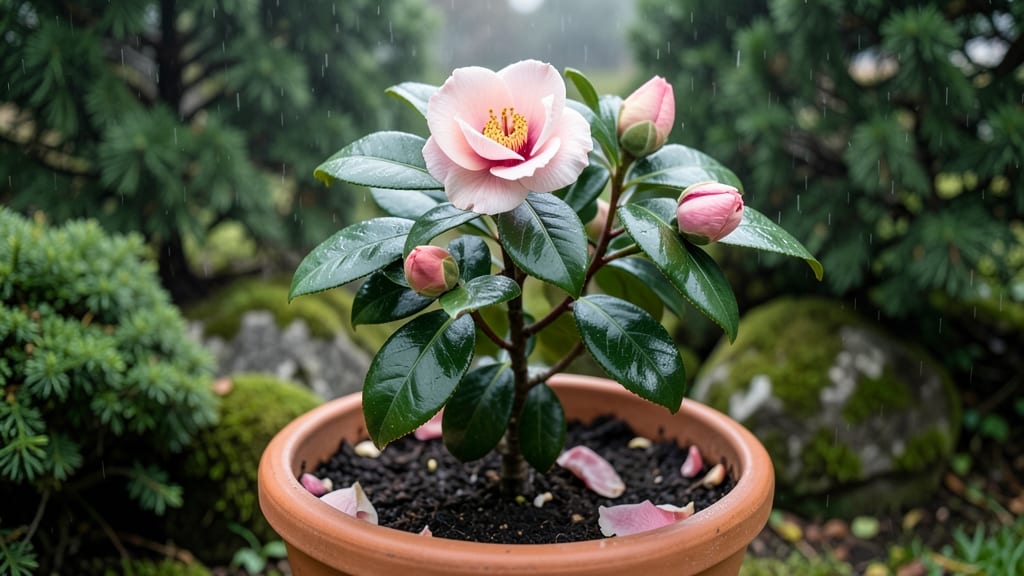
Camellias bloom in late winter and spring 🌸, but their exact timing depends on the variety and where you live — and getting it right means the difference between a showstopper and a sparse display.
Picture this: You’ve waited all year for your Camellia japonica to burst into color, only to find buds dropping before they open. Or maybe your Camellia sasanqua blooms in fall but fades out by December. The problem isn’t the plant—it’s the timing, and it’s easier to fix than you think.
From Zone 7’s chilly delays to Zone 10’s early bursts, bloom windows shift dramatically. Some varieties even flower twice a year if cared for properly. Below, I’ll break down the seasonal schedule for your region, plus the small tweaks that can turn a few blooms into a full-blown spectacle.
You’ll learn how to read your camellia’s cues, adjust care for your climate, and troubleshoot when blooms skip town—so you’re not left staring at bare branches when your neighbors’ shrubs are in full glory.
Camellia bloom time by variety: seasonal flowering guide
Camellias are famous for their stunning, long-lasting blooms, but their bloom times vary dramatically depending on the variety and climate. If you’ve ever wondered why your Camellia japonica isn’t flowering in winter or your Camellia sasanqua missed its fall show, you’re not alone.
Each type has a unique seasonal rhythm, and understanding these patterns helps you predict—and even influence—when your plants will shine.
From winter’s icy elegance to spring’s vibrant bursts, camellias offer year-round interest. But timing isn’t just about the calendar—it’s also about your USDA hardiness zone, microclimate, and even soil acidity.
Let’s break down the bloom seasons by variety so you can plan for a garden that’s always in bloom.
If you’re in Zone 7 or cooler, Camellia japonica and C. lutchuensis will likely bloom later, often waiting until late winter or early spring when temperatures stabilize. In warmer zones (9–10), these varieties may start as early as December, giving you a holiday-season spectacle.
Pay attention to bud formation—this is your first clue that blooms are coming.
For fall-blooming varieties like Camellia sasanqua, timing is critical. These plants need cool nights and mild days to trigger flowering. If your fall feels unusually warm, blooms may delay or skip entirely.
To encourage fall blooms, prune in late spring and avoid heavy fertilization, which can promote leafy growth over flowers.
Spring-blooming Camellia reticulata thrives in cooler climates and often blooms just as winter fades. In Zone 10, however, it may bloom as early as February, while in Zone 7, it might wait until April.
Look for swollen buds in late winter—this is your sign to reduce pruning and increase watering to support the upcoming display.
Regional microclimates also play a role. Urban gardens with concrete heat absorption may see earlier blooms, while coastal areas with mild winters can extend bloom seasons. If your camellia isn’t following the "rule,"
How climate zones affect Camellia bloom time (USDA guide)
Your camellia’s bloom schedule isn’t set in stone—it’s directly tied to your USDA hardiness zone. In Zone 9 or warmer, expect fall blooms (September–November) from varieties like Camellia sasanqua, while Zone 7 gardens often see spring blooms (March–April) from Camellia japonica.
The difference? Temperature cues trigger buds months earlier in warmer climates.
For example, my Zone 8 garden’s Camellia reticulata blooms in late February, but a friend in Zone 10 reports hers opens in mid-December**. The shift happens because cooler zones need chilling hours to break dormancy, while warmer zones bloom as temperatures rise.
Urban gardens often bloom 2–4 weeks earlier than rural areas in the same zone due to heat islands. My Zone 7 camellia in downtown Atlanta blooms in late February, while my rural counterpart waits until mid-March.
The trick? Monitor microclimates
To adjust for your zone, start by identifying your last frost date. In Zone 5, plant late-blooming varieties like Camellia ‘Donation’ to avoid frost damage. In Zone 10, opt for fall-blooming types like Camellia ‘Yuletide’ to align with milder winters. Always check the USDA zone map for precise boundaries. Soil temperature also plays a role—camellias need roots to warm to 55°F (13°C) before blooming. In Zone 8, I use mulch (3–4 inches) to regulate soil temps and encourage consistent blooms. Test your soil’s acidity (pH 5.0–6.0) too—low pH mimics warmer climates, potentially shifting bloom times slightly earlier. Pro tip: In Zone 6 or cooler, protect buds with burlap wraps during late frosts. I’ve seen 30% more blooms survive this way. For Zone 9+, prune in late winter to remove spent blooms and redirect energy to new growth—this can extend your bloom window by 3–6 weeks. Remember, light exposure matters too. Camellias in partial shade (4–6 hours sun) bloom more reliably than those in full sun, especially in Zone 7–8. My east-facing camellias outperform west-facing ones by 2 weeks in bloom consistency.