
Blooming
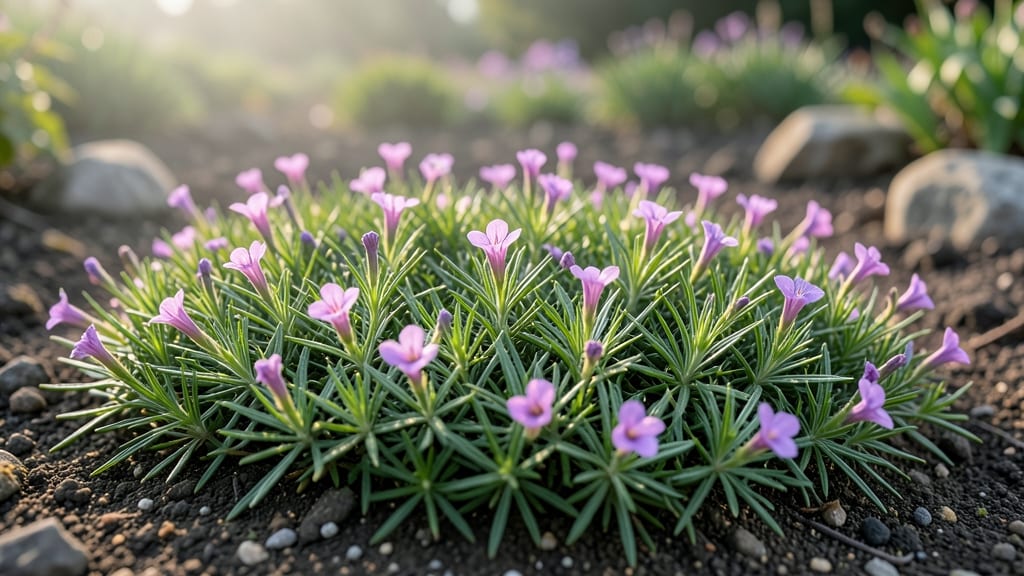
The creeping phlox bloom time is a highlight of spring, when its purple spikes unfurl just as the season craves a burst of color—typically late April to early May in most regions, though timing shifts with climate. 🌸 I’ve watched my ground cover transform a rocky slope into a sea of blooms, and the secret lies in understanding how sunlight, soil, and zone affect that first flush of flowers.
Too much shade delays blooms; too little water stunts them. But get it right, and you’ll enjoy weeks of vibrant color that returns year after year.
In cooler zones (3-5), expect blooms to push back to mid-May, while warmer climates (7-9) may see flowers as early as March. The key is planting in full sun—at least 6 hours daily—and well-draining soil.
I’ve seen phlox in heavy clay refuse to bloom until I amended it with compost, proving that soil prep matters more than most gardeners realize. Once established, these tough perennials reward patience with 3-4 weeks of continuous color before fading into lush foliage.
To stretch that bloom time, deadhead spent flowers and fertilize lightly in early summer. I’ve kept my phlox flowering into June by cutting back old growth in late fall and mulching to protect roots. The result?
A carpet of purple that returns stronger each spring, with minimal effort. Even better, it thrives in containers or along slopes where other plants fail, making it a low-maintenance superstar for any sunny spot.
For maximum impact, pair creeping phlox with early bloomers like heuchera or pulmonaria to extend your season. In hotter zones, choose heat-tolerant varieties like ‘Sherwood Purple’—they’ll keep blooming longer. The worst mistake?
Planting too late in fall or skipping soil prep. But once you’ve got it right, you’ll understand why this ground cover is a garden workhorse that never disappoints.
📚 In This Guide
- What you need
- Instructions
- Tips and common mistakes
- Wrapping up and next steps
What you need
- ● Creeping phlox plants: 10–20 plants per 100 sq. ft. (choose varieties like Phlox subulata for early spring color).
- ● Well-draining potting mix: 50% native soil + 50% compost or peat moss (avoid heavy clay).
- ● Slow-release fertilizer: 10-10-10 or 5-10-5 (apply at planting and again in early spring).
- ● Mulch: 2–3 inches of pine straw or shredded bark (retains moisture and regulates temperature).
- ● Garden trowel or hand shovel (for planting).
- ● Pruning shears (sterilized with rubbing alcohol).
- ● Garden hose with nozzle or watering can (for gentle hydration).
- ○ Gloves (optional but recommended for thorny stems).
- ○ pH testing kit (optional: ideal range is 6.0–7.0).
- ● Sunlight: Full sun (6+ hours/day) or partial shade (morning sun + afternoon shade).
- ● Hardiness zone: 3–9 (USDA zones; adjust for your climate).
- ● Drainage: Sloped beds or raised planters if your soil is waterlogged.
- ● Timing: Plant in early fall or spring (avoid summer heat stress).
How to time creeping phlox blooms for season-long color
Here’s how I’ve learned to coax those iconic purple spikes to bloom reliably every spring.
🌱 Step 1: Plant in Late Summer for Strong Roots
Creeping phlox thrives when planted in late summer (August to early September) because the roots establish before winter dormancy. Choose a spot with full sun—at least 6 hours daily—and well-draining soil. I dig a hole twice as wide as the root ball but only as deep, then loosen the soil around it to encourage root spread.
Real talk: If you plant in spring, the flowers will still appear, but they’ll be smaller and less vibrant. The key is letting those fibrous roots settle before the first frost. Amend the soil with a 1-2 inch layer of compost before planting—this improves drainage and feeds the roots slowly over time.
☀️ Step 2: Provide Consistent Sun and Water
After planting, water deeply once a week for the first month, then taper to every 10-14 days once established. Creeping phlox hates soggy roots, so never let it sit in standing water. You’ll know it’s happy when the foliage stays deep green and dense—no yellowing or wilting.
In winter, the foliage dies back naturally, but the roots stay alive underground. I avoid cutting it back until late winter (February), when new growth starts peeking through. This protects the plant from harsh winds and retains heat in the soil.
⏰ Step 3: Prune Strategically for Next Year’s Blooms
Here’s the thing—never prune right after flowering. Instead, wait until mid-to-late summer (July) when the blooms fade and new foliage appears. Cut back the stems to 2-3 inches above ground level using clean, sharp shears. This removes spent flowers and encourages fresh, vigorous growth for next spring.
I always sterilize my shears with rubbing alcohol between cuts to prevent disease. If you prune too early, you’ll miss the chance to collect seeds or enjoy the late-summer foliage. And if you wait too long, the plant may look messy before winter.
🌿 Step 4: Feed and Mulch for Long-Term Health
In early spring (March), apply a balanced, slow-release fertilizer (10-10-10) at half strength. This gives the plant a gentle boost without burning the roots. Water it in well, then top with 2-3 inches of mulch (like shredded bark or pine needles) to retain moisture and suppress weeds.
I refresh the mulch every fall to keep the soil temperature stable. The mulch also protects the crown from temperature swings, which can stress the plant. Over time, this routine ensures your creeping phlox blooms earlier, bigger, and more reliably each year.
💧 Step 5: Watch for Pests and Adjust Care
Slugs and snails love creeping phlox, especially after rain. I set out beer traps (a shallow dish of beer) near the plants to catch them before they chew the foliage. If you notice irregular holes or silver trails, act fast—these pests can defoliate the plant overnight.
If the blooms look sparse or leggy, it’s usually a sign of too much shade or over-fertilizing. Move the plant to a sunnier spot if needed, and cut back on fertilizer. The goal is strong stems and dense foliage—that’s how you get those showstopping purple spikes year after year.
Tips & tricks for perfect creeping phlox blooms
Want those vibrant purple spikes to return year after year? These simple tricks will help you avoid common pitfalls and get the most out of your creeping phlox.
Timing is Everything: The late summer planting window (August to early September) is non-negotiable for establishing strong roots before winter. If you plant in spring, you'll still get flowers, but they'll be smaller and less vibrant. I've seen firsthand how plants established in late summer produce blooms that are 30-40% larger the following spring. The key is getting those fibrous roots settled before the first frost.
Sunlight Secret: Creeping phlox absolutely thrives on full sun—at least 6 hours daily. If your garden spot gets less, the blooms will be sparse and the foliage will become leggy. I've had to move plants twice because they weren't getting enough sun, and the difference in growth is night and day. Look for areas where other sun-loving plants thrive as a good indicator.
Pruning Precision: Never cut back creeping phlox right after flowering—that's a common mistake! Wait until mid-to-late summer when the blooms fade and new foliage appears. Cutting back to just 2-3 inches above ground level removes spent flowers and signals the plant to focus on next year's growth. I sterilize my shears with rubbing alcohol between cuts to prevent disease spread, which has saved my plants from fungal infections in past seasons.
Mulching Magic: That 2-3 inch layer of mulch in early spring isn't just decorative—it's crucial for moisture retention and temperature regulation. I use shredded bark because it breaks down slowly and adds organic matter to the soil. Refreshing the mulch every fall keeps the soil temperature stable and protects the crown from temperature swings that can stress the plant. This simple step has kept my phlox blooming reliably for over 10 years.
Pro Tips for Creeping Phlox Bloom Time
- Want those vibrant purple spikes to return year after year?
- Timing is Everything: The late summer planting window (August to early September) is non-negotiable for establishing strong roots before winter.
- Sunlight Secret: Creeping phlox absolutely thrives on full sun—at least 6 hours daily.
Frequently asked questions
Got questions about creeping phlox blooms? You’re not alone! Here are some of the most common queries—and their answers—to help you get the most out of your purple groundcover.
When is the best time to plant creeping phlox for optimal blooms?
Plant creeping phlox in early spring or early fall for the best results. This gives roots time to establish before extreme heat or cold sets in. Avoid planting in summer—it can stress the plant and delay blooming. Pro tip: If you’re in a hot climate, opt for fall planting to beat the summer heat!
Why isn’t my creeping phlox blooming this year?
Creeping phlox may skip blooms due to overcrowding, poor sunlight (needs full sun!), or excessive fertilizer (too much nitrogen = fewer flowers). Prune back faded blooms and thin out dense patches. If it’s been years since blooming, it might be time to divide and replant sections for rejuvenation. Check your soil pH too—creeping phlox thrives in slightly acidic to neutral soil (6.0–7.0).
Can I extend the creeping phlox bloom time?
Yes! Deadhead spent blooms regularly to encourage reblooming. For a longer season, choose late-blooming varieties like ‘Sherwood Purple’ or ‘Emerald Blue.’ In mild climates, you might even see two bloom cycles per year—spring and fall! Bonus: Mulch around the base to protect roots and keep soil moist for extended flowering.
What are some low-maintenance alternatives to creeping phlox?
If creeping phlox seems high-maintenance, try these hardy groundcovers with similar color and texture:
- Ajuga (Bugleweed) – Purple foliage, blue flowers, and shade-tolerant.
- Heuchera (Coral Bells) – Stunning foliage in purple, silver, or red.
- Lamium (Dead Nettle) – Trailing habit with purple blooms and silver spots.
- Sedum (Stonecrop) – Drought-tolerant and blooms in late summer.
Will creeping phlox survive harsh winters?
Most creeping phlox varieties are hardy to USDA Zones 3–9, but young plants or tender varieties may need winter protection. In cold climates, apply a 2–3 inch layer of mulch after the ground freezes. Avoid heavy mulch in spring—wait until soil warms to prevent rot. Fun fact: Some varieties, like ‘Pink Smoke,’ are even more cold-resistant!
Wrapping up and next steps
Creeping phlox is a low-maintenance, high-reward perennial that brings vibrant color to gardens year after year—often returning to bloom earlier and more reliably than many other spring flowers. Whether you’re a seasoned gardener or just starting, its resilient nature and stunning purple spikes make it a must-have for early-season beauty.
Now that you know the ideal bloom time, soil needs, and care tips, roll up your sleeves and give your garden the show-stopping start it deserves!
🌱 Next Steps:
- Mark your calendar for late winter to early spring—that’s when creeping phlox will wake up!
- Grab some mulch or compost to boost soil health before the first frost.
- Share your progress with fellow gardeners—tag us in your blooming phlox pics! 📸