
Flowers
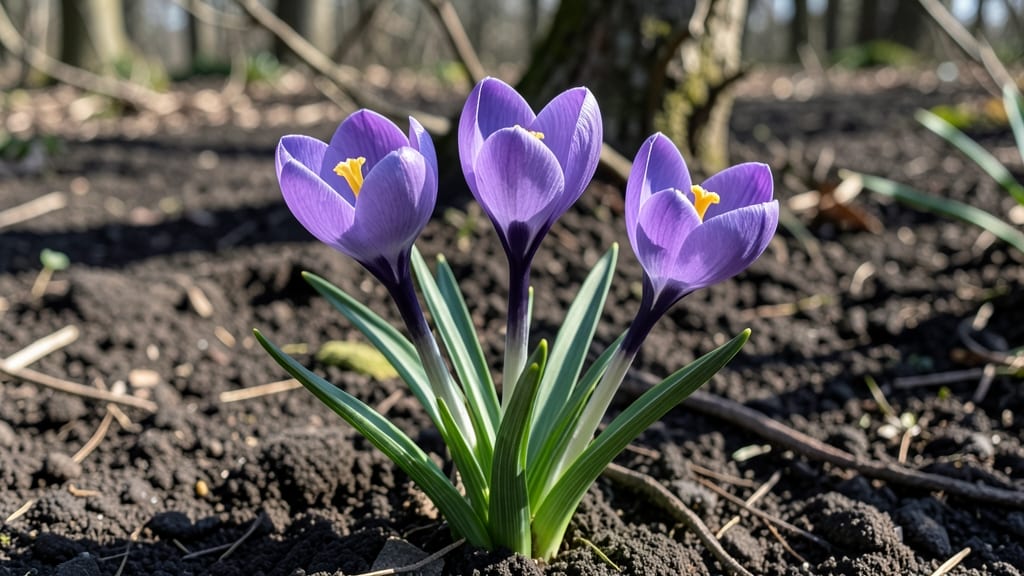
The crocus flower bloom time is one of spring’s most anticipated moments—those cheerful purple, yellow, and white blooms pushing through frozen soil as early as February in warmer zones.
But here’s the catch: timing isn’t set in stone. Some varieties pop up in late winter, while others wait until April, and your local climate can shift that window by weeks. If you’ve ever planted crocuses only to see them bloom months later (or not at all), you’re not alone.
What you’ll discover here is how to predict bloom time by variety, zone, and even soil prep—plus the 3 simple tricks to coax earlier (or later) flowers. Whether you’re in Zone 6a or further south, these insights will help you plan for 🌼 your garden’s first splash of color.
From early bloomers like Crocus vernus to late-season stars, we’ll break down the science behind their schedule and how to give them the perfect start for a showstopping display.
Crocus bloom time by variety: when to expect color in your garden
Crocus flowers are nature’s earliest garden stars, often blooming weeks before spring bulbs like tulips or daffodils. But not all crocuses bloom at the same time—some arrive in late winter, while others wait until early spring.
Understanding these bloom windows helps you plan fall planting and seasonal color with precision. Let’s break down the three main bloom categories and the varieties that define them.
Early bloomers like Crocus chrysanthus and Crocus tommasinianus often appear in late winter or early spring, sometimes even under snow. Mid-season types, such as Crocus vernus, follow in March or April, while late bloomers like Crocus speciosus may wait until April or May.
Your local frost dates and USDA zone will further refine these timelines.
Crocus chrysanthus, also called the snow crocus, often blooms under snow in USDA Zones 3–9. Its bright yellow or white flowers appear as early as January in warmer zones or February in colder regions. This variety is drought-tolerant and thrives in full sun to partial shade, making it ideal for rocky gardens or slopes.
For purple-loving gardeners, Crocus tommasinianus delivers vibrant magenta or striped blooms in February or March. Unlike other crocuses, it often blooms before snow melts, adding early color to winter landscapes. Plant these 3–4 inches deep in well-draining soil for best results.
Crocus vernus, or Dutch crocus, is a mid-season star with bold purple, white, or yellow flowers that appear in March or April. This variety is highly cold-hardy, surviving Zones 3–8 and even brief snow cover. Its taller stature (2–3 inches) makes it perfect for cut flower arrangements or woodland gardens.
If you love late-spring blooms, Crocus speciosus delivers elegant lavender or white flowers in April or May. This variety is less cold-hardy (Zones 5–9) and prefers well-draining, slightly alkaline soil. Its larger blooms (2–3 inches) make it a standout in rock gardens or containers.
To extend your crocus season, plant a mix of early, mid, and late bloomers. For example, pair Crocus chrysanthus with Crocus vernus to enjoy color from January through April. Always plant corms in fall (6–8 weeks before first frost) for reliable blooms the following year.
Watch for visual cues like sprouting leaves in late winter—this signals impending blooms. In warmer climates (Zones 8–9), some varieties may bloom twice a year, including fall and spring. Adjust planting depth (deeper in hot climates, shallower in cold zones) to fine-tune bloom timing.
For container gardening, choose smaller varieties like Crocus tommasinianus or Crocus sieberi. Their compact size (1
How USDA hardiness zones affect Crocus bloom time: a zone-by-zone guide
Crocus flowers are nature’s early spring messengers, but their bloom windows shift dramatically depending on your USDA hardiness zone. In colder zones like 3-5, snowmelt often triggers blooms by late February, while zone 9 gardeners may see them as early as November.
These differences stem from chill hour requirements and frost timing—critical factors for forcing blooms in warmer climates.
Your local first frost date and average last frost create a "bloom window" for crocuses. For example, zone 4 typically sees blooms from mid-March to early April, while zone 8 may extend this to late February through May.
Microclimates—like south-facing slopes or urban heat islands—can further shift these timelines by 2-4 weeks.
In zones 3-5, crocuses often bloom within 2-3 weeks of snowmelt, making them ideal for early spring color. Varieties like Crocus vernus thrive here, while Crocus tommasinianus may bloom slightly later. The key? Planting 3-4 inches deep ensures protection from late frosts that can damage emerging shoots.
Warmer zones (7-9) present challenges for traditional crocus varieties, which need chill hours to trigger blooming. In zone 9, gardeners often plant fall-blooming varieties like Crocus speciosus in September to take advantage of cooler temperatures.
Forcing blooms in zone 10 requires pre-chilling corms in the fridge for 8-12 weeks before planting.
Microclimates play a surprising role—even within the same zone. A south-facing garden bed in zone 6 might see blooms 2 weeks earlier than a north-facing area. To extend your bloom season, try planting multiple varieties with staggered timelines, like Crocus chrysanthus (early) and Crocus sieberi (late).
Mulching with straw or leaves also helps regulate soil temperatures.
If you’re in zones 8-10 and struggling with late or sparse blooms, consider container gardening. Pots allow you to move crocuses to shaded areas during summer heat, then return them to sun for cooler months.
This mimics the chill requirements needed to trigger flowering—often the missing piece in warmer climates.