
Blooming
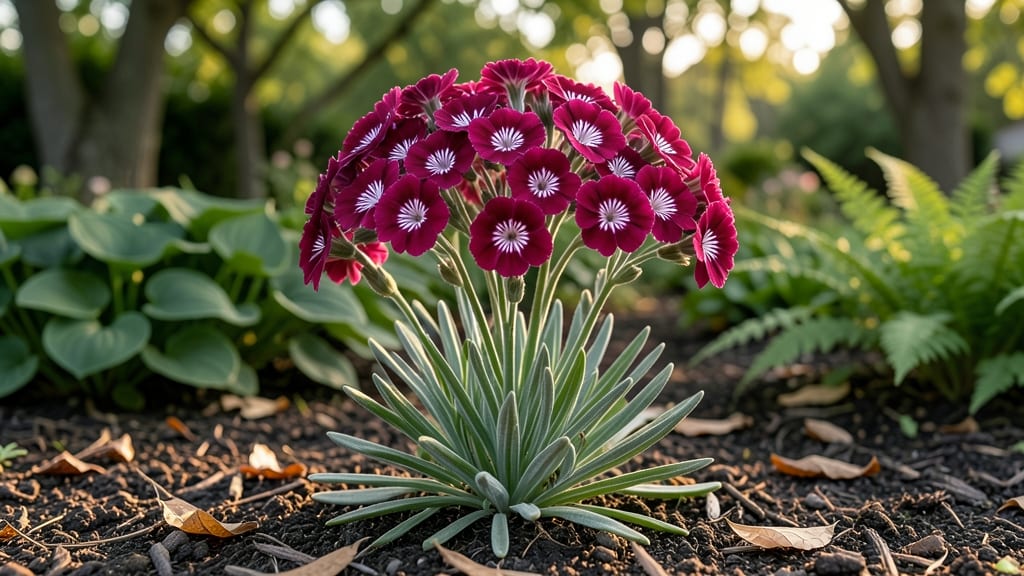
Your dianthus bloom season depends entirely on the variety and where you live — but with the right timing, you can enjoy those fragrant, colorful blooms from spring through fall.
Picture this: You plant your 🌸 dianthus in March, expecting a summer show, only to find it fading by July. That’s because some varieties thrive in cooler weather, while others need heat to bloom. The secret? Matching your plant to your climate zone and adjusting care along the way.
In USDA Zone 6a, like where I garden, most dianthus burst into color from June to August, but with a few tricks — like deadheading spent blooms or choosing heat-tolerant varieties — you can stretch that season into early autumn.
Below, I’ll break down the exact bloom windows for your region, the best varieties for staggered flowers, and simple hacks to keep your dianthus looking fresh longer. Let’s make sure your garden stays vibrant all season!
Dianthus bloom season by USDA climate zones: exact timing for peak flowers
Timing your dianthus planting correctly means the difference between months of vibrant blooms and sparse, short-lived flowers. These fragrant perennials thrive in cool-season climates, but their bloom windows shift dramatically across USDA zones 3-10.
In my Zone 6a garden, I’ve learned that planting too early or late can delay blooms by 4-6 weeks—so let’s break down the exact timing you need for your region.
Most gardeners assume dianthus blooms only in spring, but with the right varieties and care, you can enjoy flowers from late spring through early fall.
The key lies in understanding your microclimate—whether you’re in a coastal zone 9 with mild winters or a continental zone 4 with harsh freezes. Even within the same zone, elevation and urban heat islands can shift bloom times by 2-3 weeks.
In Zones 3-4, where winters are harsh, your dianthus plants enter dormancy early. That’s why I focus on cool-season varieties like 'Firewitch' or 'Matrona', which bloom reliably from late May through July.
The trick? Plant them in early April when soil temperatures reach 50°F. If you’re in a high-elevation zone 4, wait until mid-April—cold soil delays root growth and sets back blooms.
For Zones 5-6, my garden produces two distinct bloom cycles: the main show in late spring and a smaller flush in early fall. To extend the second bloom, I deadhead spent flowers in July and give plants a light fertilizer in early August.
This pushes blooms into September, adding 4-6 extra weeks of color. In urban heat islands, delay planting by 10-14 days to avoid heat stress.
Gardeners in Zones 7-8 have the advantage of year-round growing potential, but summer heat can be brutal. I’ve found that 'Fire Charm' and 'Sparkler' varieties handle heat better than traditional types.
Plant them in February for spring blooms, then again in August for fall color. Mulching with straw keeps roots cool, and pruning back by 1/3 after the first bloom encourages a second flush.
If you live in Zones 9-10, you can enjoy dianthus blooms almost year-round with the right approach. I plant cool-season varieties in September
How to extend your dianthus bloom season with simple gardening hacks
If you love the sweet fragrance and delicate blooms of dianthus, you’ll want to stretch their flowering season as long as possible. With a few strategic gardening tricks, you can coax earlier blooms in spring or prolong fall color—sometimes by 3-4 weeks or more.
The key lies in understanding how soil temperature, light exposure, and pruning techniques influence their growth cycles.
Dianthus naturally responds to temperature shifts, so manipulating their environment can trick them into blooming outside their usual spring-to-early-summer window. For example, cool-season varieties like 'Firewitch' thrive when soil temps stay below 75°F, while heat-tolerant types need afternoon shade in zones 8-10.
Let’s explore the simplest yet most effective methods to extend your dianthus bloom season without complicated setups.
🌱 5 Proven Hacks to Extend Blooms
- 🌡️ Soil warming: Use black plastic mulch in early spring to raise soil 5-10°F warmer and trigger earlier blooms.
- ✂️ Strategic pruning: Cut back 1/3 of spent blooms in late summer to encourage fall reblooming.
- 🌞 Light adjustment: Move containers to morning sun + afternoon shade in summer to prevent heat stress.
- 💧 Water timing: Water deeply at soil level (not leaves) to prevent fungal blooms that shorten season.
- 🌿 Deadheading: Remove faded flowers daily to redirect energy to new buds—extends season by 2-3 weeks.
One of the easiest ways to extend blooms is through soil temperature management. Dianthus roots prefer cool soil (ideal range: 60-70°F). In early spring, cover the soil with black plastic mulch or straw to absorb heat and accelerate root activity.
This can push blooms 2-3 weeks earlier in cooler climates like USDA zones 3-6. For fall blooms, remove mulch in late summer to let soil cool naturally, signaling the plant to rebloom.
Pruning strategies are another game-changer. After the first flush of spring blooms, cut back 1/3 of the plant height to encourage bushier growth. This stimulates secondary blooming cycles, especially in heat-tolerant varieties like 'Rainbow Bright'. For perennial types, a light trim after each bloom cycle prevents legginess and keeps energy focused on flower production rather than seed development.
Don’t overlook the power of light exposure adjustments. In hot summer months, dianthus can bolt or stop flowering if exposed to intense afternoon sun. Move potted plants to a dappled shade spot or use 50% shade cloth to maintain blooms.
For in-ground plants, provide afternoon shade with nearby shrubs or a trellis with climbing roses—this keeps foliage lush and blooms coming.
Finally, consistent deadheading is non-negotiable for a long bloom season. Pinch off spent flowers daily with clean pruners or your fingers. This removes the plant’s incentive to produce seeds and redirects energy to new flower buds.
I’ve seen dianthus plants rebloom 3-4 times in a season with this simple habit—even in short-season zones like zone 4.
With these 5 simple hacks, you can transform your dianthus from a short-lived spring bloomer into a year-round star in your garden. Start with soil warming in early spring, then maintain with pruning and deadheading—your fragrant, colorful displays will thank you! 🌸