
Blooming
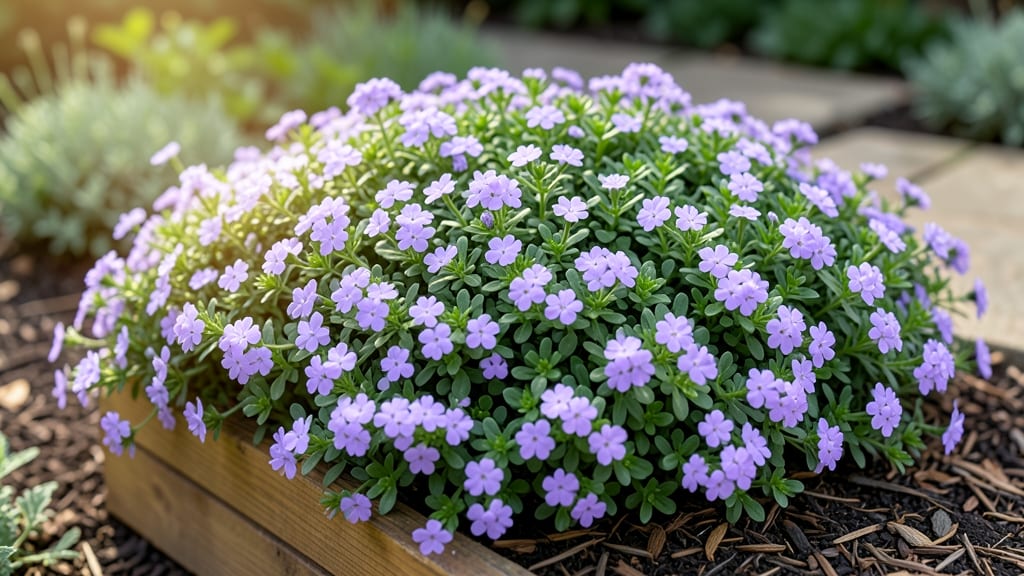
Alyssum can bloom all summer when you deadhead spent flowers weekly, maintain consistent moisture, and provide well-draining soil with partial shade in hot regions. This simple care routine keeps their cheerful blooms coming nonstop.
Alyssum's secret to summer-long blooms lies in its natural growth cycle. 🌸 When flowers fade and form seed pods, the plant redirects energy toward reproduction instead of producing new blooms. By pinching off spent flowers regularly, you trick the plant into focusing on fresh growth.
I've found that morning deadheading works best—it gives the plant plenty of daylight to recover and produce new buds before evening. The key is consistency: even one missed week can break the bloom cycle.
Beyond deadheading, soil quality plays a surprisingly big role. Alyssum thrives in fast-draining mixes with added compost, which prevents root stress that can trigger dormancy. In my experience, mulching around the base helps maintain even moisture without waterlogging the roots.
And while they love sun, afternoon shade in zones 8-10 prevents heat stress that can cause premature leaf drop. The result? Those tiny white or purple blooms keep coming in waves all season.
💡 In This Article
- Why Alyssum Flowers Fade Without Deadheading
- Step-by-Step Deadheading Guide for Longer Alyssum Blooms
Why alyssum flowers fade without deadheading
Alyssum's natural bloom cycle follows a biological signal: when flowers fade, they begin forming seed pods. This triggers the plant to shift energy from producing new blooms to reproduction—a survival mechanism that ensures seed dispersal.
The transition happens thanks to plant hormones like ethylene gas, which accelerates flower senescence (aging) and signals the plant to stop flowering. Without intervention, your alyssum may produce just one or two flushes of blooms before focusing entirely on seed production.
The seed pods themselves contain cytokinins, hormones that suppress further flowering. When you see these tiny green pods forming, your plant is essentially saying, "Mission accomplished—I've made seeds now."
The pods also weigh down the flower stems, which can cause the plant to look leggy and unkempt. 🌱 What's fascinating is that this process happens within 7-10 days of a flower wilting, which is why consistent deadheading is critical. Even one missed pod can trigger this reproductive shift.
Deadheading works by physically removing these hormonal signals. When you snip off spent blooms, you eliminate the ethylene production and prevent cytokinin buildup. This "tricks" the plant into thinking it hasn't completed its reproductive cycle, prompting it to redirect energy toward new flower buds instead.
Studies show that plants deadheaded weekly can produce 30-50% more blooms over a season compared to those left unpruned.
There's also a sensory clue to watch for: the scent. Fresh alyssum blooms have a sweet, honey-like fragrance that attracts pollinators. As flowers age, this scent fades and gives way to a slightly bitter aroma from the developing seed pods.
This scent change often happens 24-48 hours before visible wilting occurs—your nose becomes an early warning system for when to deadhead!
The timing of deadheading matters too. Morning is ideal because it gives the plant's vascular system time to recover before evening. If you deadhead in the late afternoon or evening, the plant may struggle to transport nutrients to new growth sites overnight.
I've noticed that alyssum deadheaded in the morning often produces new buds within 5-7 days, while evening pruning can delay regrowth by upstrong>10 days.
One common misconception is that deadheading harms the plant. In reality, proper deadheading stimulates growth by promoting bushier, more compact plants. The key is to cut just above a set of healthy leaves or buds—never into bare stems.
This ensures the plant has energy reserves to support new growth rather than just leafy stems with no flowers. 🌿 For alyssum specifically, you can even pinch off entire flower clusters with your fingers if you're working quickly in the garden.