
Blooming
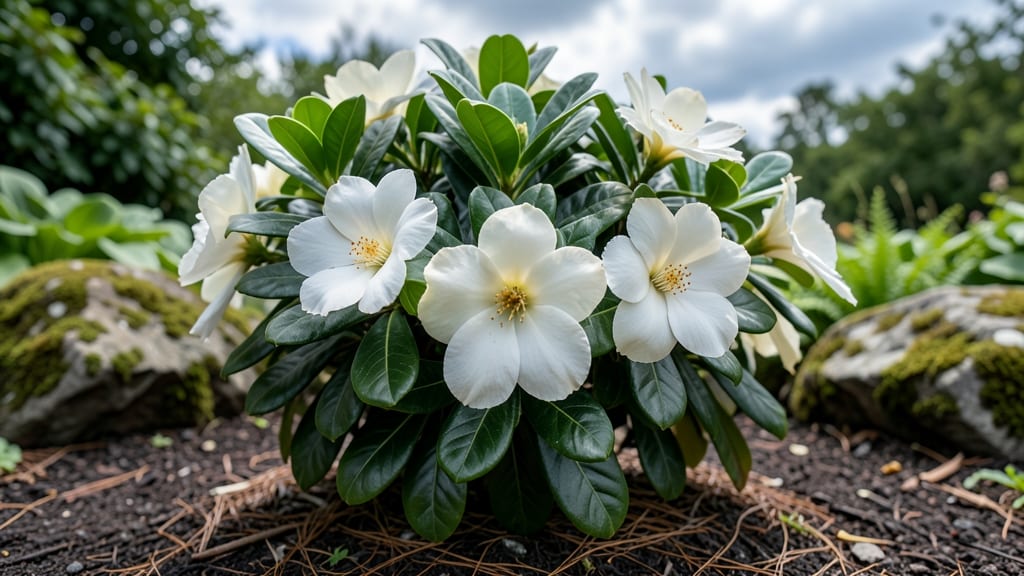
Gardenias bloom in North Carolina primarily from late spring through summer, peaking between May and July in Zones 7b-8a, though exact timing shifts based on the specific variety and local growing conditions. Some early bloomers may appear as soon as April, while late-season types can continue flowering into August.
North Carolina's climate creates ideal conditions for gardenias, but the timing depends heavily on your specific microclimate within the state. 🌸 Coastal areas in Zone 8a often see blooms start earlier, while inland regions in Zone 7b may experience a slightly delayed onset.
The key trigger is consistent temperatures above 60°F combined with 12+ hours of daylight—something NC provides in abundance during these months. What's interesting is how different cultivars respond: 'Kleim's Hardy' tends to bloom first in April, while 'Radicans' often extends the season until late summer.
For gardeners looking to maximize their blooms, understanding these patterns helps with planning. Early bloomers reward patience with fragrant flowers as soon as spring warms, while late varieties provide summer-long fragrance. The variation means you can create a continuous display by mixing different types in your garden.
💡 In This Article
- Gardenia Blooming Seasons in NC’s Zones 7b-8a
- How to Extend Gardenia Blooms in NC Gardens
Gardenia blooming seasons in NC’s Zones 7b-8a
Gardenias respond to North Carolina’s climate through a fascinating biological process called photoperiodism—their blooming cycle is triggered by specific combinations of temperature and daylight. In Zones 7b-8a, gardenias typically need consistent daytime highs above 60°F and 12+ hours of daylight to initiate flowering.
This explains why blooms begin in late spring when temperatures stabilize and daylight lengthens. Coastal areas often see earlier blooms because they warm up faster, while inland regions may delay by 1-2 weeks due to cooler nights.
The science gets even more interesting when you look at dormancy cycles. Gardenias enter a rest period during winter when temperatures drop below 50°F, which helps them store energy for spring blooming.
Varieties like 'Kleim’s Hardy' break dormancy earlier because they’re bred to tolerate cooler temperatures, while tropical types like 'Radicans' need more consistent warmth. 🌸 This is why you’ll see 'Kleim’s Hardy' blooming as early as April in Zone 8a, while other varieties might wait until May or June.
The difference comes down to their genetic adaptation to specific temperature ranges.
Daylight hours play a crucial role too. Gardenias are long-day plants, meaning they flower best when days are longer than nights. In North Carolina, daylight exceeds 14 hours by late May, which is when most gardenias reach peak bloom.
This explains why you’ll see the heaviest flowering between May and July—it’s not just about temperature, but the perfect balance of warmth and extended daylight.
The fragrance you love so much is actually a byproduct of these ideal growing conditions, with the flowers producing more volatile oils when they’re healthy and thriving.
Local microclimates create even more variation. A garden in the Piedmont region might experience slightly later blooms than one near the coast because of cooler nights. Even within 5 miles, you can find differences in bloom timing due to factors like elevation, nearby water bodies, or urban heat islands.
For example, a garden in Raleigh might see blooms start 1 week later than one in Wilmington because of the cooler inland climate. This is why gardeners in NC often mix early, mid, and late-season varieties to create continuous blooms from April through August.
What’s often overlooked is how soil temperature affects root activity. Gardenias need soil to warm to at least 65°F before they’ll actively grow and flower. In cooler springs, this can delay blooming by 2-3 weeks.
That’s why mulching with 3-4 inches of organic matter helps—it insulates roots and maintains consistent temperatures. The combination of air temperature, daylight, and soil warmth creates the perfect storm for gardenia blooming in North Carolina.
One fascinating exception is 'Radicans', a climbing gardenia that often extends the blooming season into August. This variety handles the hotter summer temperatures better than others, continuing to produce flowers even when daytime highs reach 90°F.
Its ability to tolerate heat makes it a favorite for gardeners who want summer-long fragrance. The trade-off? It may bloom slightly later in spring compared to hardier varieties.