
Flowers
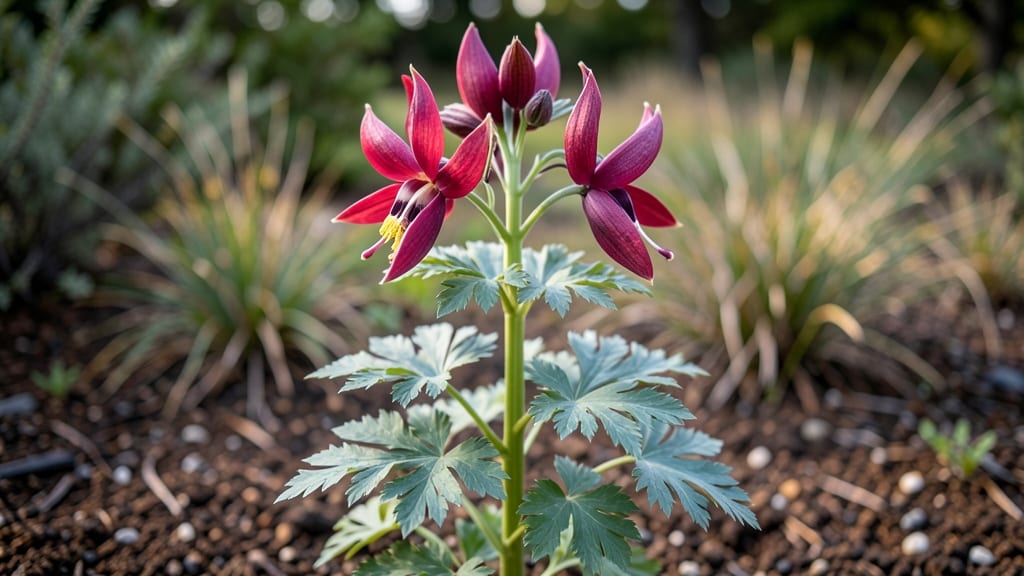
Columbine flowers don't bloom all summer continuously, but their flowering periods stretch from late spring through early fall with staggered blooms. Many varieties will rebloom if you deadhead spent flowers regularly, though heat-sensitive types may decline in peak summer months.
Columbines are actually seasonal bloomers with a natural rhythm tied to temperature shifts. 🌸 While they won't produce flowers nonstop like annuals, their staggered blooming creates a beautiful, extended display when conditions are right.
The key to encouraging summer blooms lies in choosing heat-tolerant varieties and providing consistent care - think of them as nature's built-in seasonal performers rather than year-round stars.
What makes this especially interesting is how different varieties adapt to summer heat. Native species like wild columbine often take a break in peak summer, while cultivated hybrids have been bred to handle higher temperatures.
This means your garden can still showcase vibrant blooms even when other flowers wilt under the sun.
💡 In This Article
- Columbine Blooming Seasons by Variety
- Tips to Prolong Columbine Flowering in Summer Heat
Columbine blooming seasons by variety
Columbine blooming patterns vary dramatically between species and hybrids, with some varieties acting like cool-season specialists while others thrive in summer's warmth. Native species like Aquilegia canadensis (red columbine) typically bloom from late spring to early summer, then fade as temperatures climb above 85°F.
In contrast, Aquilegia chrysantha (golden columbine) often produces a second flush of blooms in late summer when nights cool slightly. 🌿 The key difference lies in their evolutionary adaptations—cool-season natives conserve energy during heatwaves, while desert-adapted hybrids like 'McKana's Giant' continue flowering with minimal stress.
Cultivated varieties show even more diversity in timing. Early bloomers like Aquilegia vulgaris (European columbine) often start in April-May and may produce sporadic blooms through June, while late-season performers like 'Black Barlow' hybrid extend flowering until September in mild climates.
What's fascinating is how these patterns reflect their native habitats: alpine columbines bloom early to take advantage of short growing seasons, while Mediterranean types stretch their flowering into summer's end. The color intensity also varies seasonally—many columbines develop deeper hues as summer progresses, a natural response to increased sunlight.
For gardeners in hot climates, choosing the right variety makes all the difference. Heat-tolerant hybrids like 'Jewel Box' series produce continuous blooms from May through October when given proper care, while native species may only provide 4-6 weeks of peak flowering.
The trade-off? Native columbines often have more vibrant colors and stronger fragrance, while hybrids offer longer vase life and disease resistance. Understanding these seasonal rhythms helps you create a columbine garden that blooms in waves rather than all at once. 🌸
Light exposure plays a surprising role in blooming patterns. Most columbines prefer partial shade (4-6 hours of direct sun), which helps them avoid the stress of midday heat.
In full sun, varieties like Aquilegia formosa may produce fewer blooms but with more intense colors, while shade-loving types like 'Nancy McKee' hybrid bloom more prolifically. This is why columbines often perform better under deciduous trees—they get morning sun and afternoon shade automatically as the season progresses.
One often-overlooked factor is soil temperature. Columbine roots prefer cooler soil (60-65°F), which is why they often bloom best in spring and fall when ground temperatures are moderate. In summer, the heat can cause roots to become dormant until nights cool.
This explains why mulching with 2-3 inches of organic material can extend blooming—it helps maintain consistent soil temperatures and moisture levels. The result? A more gradual, extended flowering period rather than a sudden peak and fade.
Consider these key variety groups when planning your garden:
- Early Spring Bloomers: Aquilegia vulgaris ('Blue Star'), Aquilegia canadensis (red columbine) - Peak in May
- Summer Rebloomers: Aquilegia chrysantha, 'McKana's Giant' hybrids - Produce blooms in June-August waves
- Late Season Performers: 'Black Barlow', 'Jewel Box' series - Extend to September-October in cool climates
- Heat-Tolerant Hybrids: 'Nancy McKee', 'Crimson Star' - Bloom continuously with proper care