
Blooming
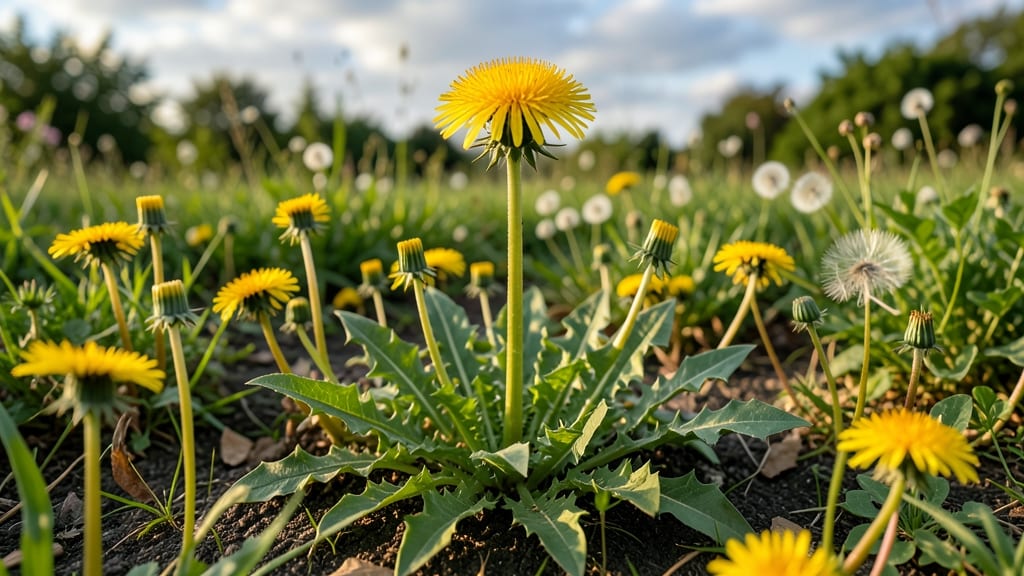
Dandelions do not bloom all summer continuously; their flowering cycles depend on regional climate, variety, and seasonal triggers, typically producing bright yellow blooms in spring and fall with sporadic summer reblooming in mild climates.
Dandelions actually follow a seasonal rhythm tied to daylight and temperature. In most temperate zones, they burst into bloom in early spring when days lengthen, then fade as summer heat arrives. 🌸 However, some varieties—especially those in warmer climates—might show occasional summer flowers if conditions stay mild.
The key is understanding your local growing season: dandelions are opportunists, blooming whenever conditions align for them.
What's fascinating is how different regions affect this pattern. Northern gardeners might see just one spring flush, while Southern growers could spot intermittent blooms all year. Even within the same area, soil moisture and sunlight exposure play roles—well-watered dandelions in partial shade often last longer than their drought-stressed counterparts.
The plants themselves are remarkably adaptable, which is why they thrive in everything from urban cracks to meadows.
💡 In This Article
- Dandelion Flowering Patterns by Climate Zone
- How to Encourage Summer Dandelion Blooms in Gardens
Dandelion flowering patterns by climate zone
Dandelions are masters of seasonal adaptation, and their blooming cycles shift dramatically based on climate. In temperate zones (like the U.S. Midwest or Europe), they typically bloom from late winter through spring when temperatures hover between 50-70°F and daylight stretches beyond 12 hours.
The plants enter dormancy during summer's peak heat because their metabolic processes slow down—similar to how many perennials conserve energy during hot months. 🌿 This explains why most gardeners notice dandelions disappearing by June in these regions.
In warmer climates (Southern U.S., Mediterranean), dandelions often exhibit intermittent summer blooming because they don't experience the same intense heat stress. For example, in Florida, you might see sporadic blooms throughout summer if rainfall maintains soil moisture.
The key difference is that tropical varieties have evolved to handle higher temperatures—some can even bloom year-round if conditions remain stable. In contrast, cold climates (northern Canada, Alaska) see dandelions bloom only in brief spring windows before winter sets in.
Daylight length is the primary trigger for dandelion flowering. These plants are long-day photoperiodic, meaning they need increasing daylight to trigger blooming. This explains why spring blooms are most abundant—days are lengthening rapidly.
In summer, when daylight stabilizes at 14-16 hours, many dandelions pause flowering unless temperatures remain moderate. Interestingly, some wild varieties have developed short-day adaptations, allowing them to bloom in late summer when days begin shortening again.
Soil conditions also play a surprising role. Dandelions in well-drained, slightly acidic soil (pH 6.0-7.0) tend to bloom more prolifically because their roots can access nutrients efficiently. In heavy clay soils, blooming often becomes sporadic due to poor drainage.
The plant's deep taproot (up to 15 inches) helps it survive drought, but excessive moisture can trigger early dormancy. This is why dandelions in urban sidewalks (with compacted soil) might bloom later or less frequently than those in garden beds.
What's particularly fascinating is how dandelion varieties adapt to local conditions. For instance, the 'Garden Star' cultivar has been bred to bloom continuously in containers, while wild types may only bloom once per season.
Even within the same species, plants in coastal areas (with cooler summer nights) often bloom longer than those inland. This regional variation explains why some gardeners see dandelions all summer while others never spot them after May.
Understanding these patterns helps explain why your neighbor's yard might have dandelions blooming in July while yours are gone. The difference could be as simple as 5°F warmer average temperatures or 2 extra inches of summer rainfall.
These plants are incredibly sensitive to microclimates—something gardeners can leverage to create their own summer-blooming dandelion displays. 🌱