
Blooming
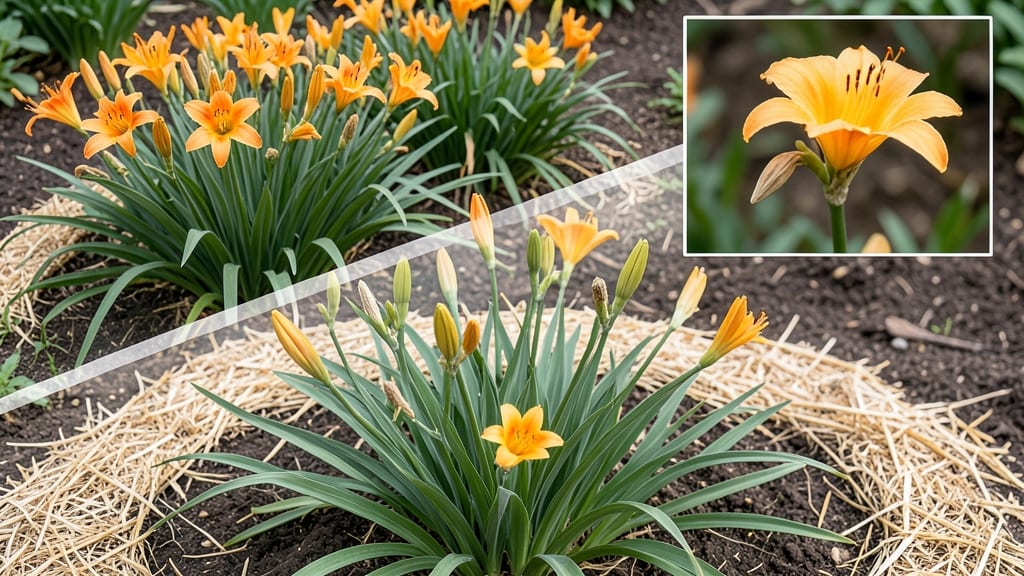
Daylilies do bloom more than once in reblooming varieties, which produce multiple flower cycles from spring through fall with proper care. Early-season types typically bloom just once, while cultivars like 'Stella de Oro' or 'Happy Returns' deliver continuous blooms when given the right growing conditions.
Many gardeners assume all daylilies rebloom, but the truth lies in their genetic makeup. 🌸 The key difference is in their growth habits: early-season types focus energy on one big bloom cycle, while rebloomers store nutrients to produce smaller, later blooms.
This means your choice of variety determines whether you'll enjoy a single spectacular show or a season-long display. For best results, pair reblooming types with consistent moisture and deadheading spent blooms to encourage new growth.
What's fascinating is how temperature plays a role—reblooming varieties often need a period of cooler weather between blooms to reset their growth cycle. This explains why some gardeners in warm climates report fewer reblooms than those in moderate zones.
I've found that mulching helps maintain steady soil temperatures, which can make a noticeable difference in bloom frequency.
💡 In This Article
- Why Some Daylilies Rebloom While Others Don’t
- How to Encourage Reblooming in Daylilies
Why some daylilies rebloom while others don’t
The reblooming ability in daylilies (Hemerocallis spp.) stems from their genetic programming and growth habits. Early-season varieties allocate most of their energy to a single, dramatic bloom cycle, typically in spring or early summer.
These plants prioritize producing large, showy flowers with minimal secondary growth, often sacrificing later blooms for early vigor. In contrast, reblooming cultivars like 'Stella de Oro' or 'Happy Returns' have evolved to store excess carbohydrates in their rhizomes, allowing them to produce multiple, smaller flower stalks throughout the growing season.
Temperature acts as a critical trigger for reblooming. Most reblooming daylilies require a period of cooler weather (around 50-60°F) between bloom cycles to reset their growth hormones. This dormancy-like state helps them rebuild energy reserves before producing new flower stalks.
In warm climates, this natural cycle can be disrupted, leading to fewer reblooms. Light exposure also plays a role—daylilies need 6-8 hours of sunlight daily, but too much intense heat can stress the plant, reducing its ability to rebloom.
The balance between temperature and light creates the perfect conditions for continuous flowering.
Another key factor is the plant's energy allocation system. Early-season types focus on rapid vertical growth to reach sunlight quickly, while rebloomers invest in horizontal rhizome expansion. This underground network allows rebloomers to spread their resources across multiple bloom cycles.
For example, 'Happy Returns' can produce flowers from late spring through early fall, while 'Stella de Oro' often blooms continuously from spring to frost. The difference lies in their ability to store and redistribute nutrients efficiently throughout the season.
Scientifically, this behavior is tied to the plant's photoperiodism—the response to daylight length. Reblooming varieties are less sensitive to day length changes, allowing them to flower repeatedly as long as environmental conditions remain favorable.
Early bloomers, however, are more sensitive and typically flower in response to specific temperature cues or day length thresholds. This explains why some gardeners in northern climates see multiple bloom cycles, while those in southern regions may only get one or two.
Consider the visual difference: early-season daylilies often produce 6-12 inch tall stalks with 5-10 large blooms, while rebloomers may have 12-24 inch stalks with 10-20 smaller flowers spread over weeks. The trade-off is energy distribution—rebloomers sacrifice flower size for quantity and duration.
This adaptation makes them ideal for gardeners seeking long-term color, while early bloomers offer a dramatic but brief display.
What most gardeners don't realize is that even reblooming varieties can be pushed to their limits. Without proper care—like regular deadheading (removing spent blooms) and consistent moisture—the plant may revert to a single bloom cycle.
The key is maintaining that delicate balance between growth and energy storage throughout the season. 🌿