
Blooming
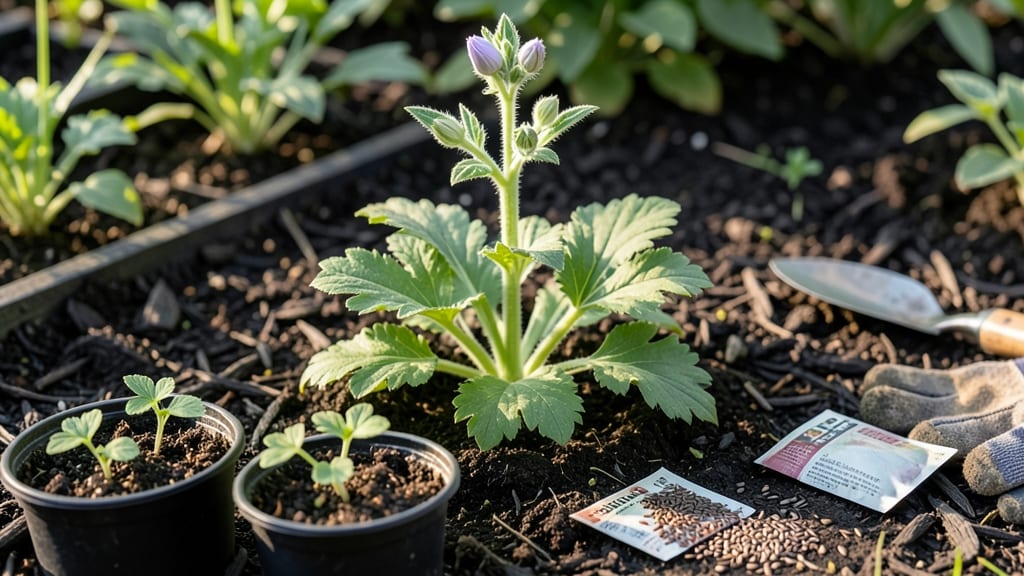
Delphiniums grown from seed typically do not bloom the first year—they focus on establishing strong roots and foliage, often producing flowers in their second or third year under ideal conditions. Cold stratification may accelerate blooming in some varieties.
Delphiniums prioritize root development in their first season, a survival strategy that ensures stronger plants for future blooms. 🌱 This biennial growth pattern means seed-grown plants often wait until their second or even third year to produce those iconic spires of flowers.
Varieties like Pacific Giants may take longer than dwarf types, so checking your specific cultivar's expectations is key. The good news? With proper cold stratification (mimicking winter conditions) and well-draining soil, you can sometimes coax earlier blooms from certain varieties.
What many gardeners don't realize is that transplanting established seedlings can sometimes trigger earlier flowering, as the plant perceives less competition for resources. The trade-off? First-year blooms tend to be smaller than what you'll see in subsequent years.
I've found that patience pays off—plants that establish well in their first season often reward you with spectacular displays in later years.
💡 In This Article
- Why Delphiniums Delay Flowering in the First Year
- How to Encourage Early Delphinium Blooms from Seeds
Why delphiniums delay flowering in the first year
Delphiniums follow a biennial growth pattern where their first year is all about building a strong foundation. This means up to 90% of their energy goes toward developing deep taproots and lush foliage, which can grow 12-18 inches tall by autumn.
The plant's survival strategy prioritizes root mass over flower production—a process called vegetative growth—because robust roots store nutrients needed for future blooms. Think of it like a savings account: the plant deposits energy in its roots to withdraw later for flowering.
The timing of this growth is triggered by environmental cues. Delphiniums need 10-14 hours of daylight (long-day plants) and cooler temperatures (50-60°F) to initiate flowering. Without these signals, the plant stays in vegetative mode.
Seed-grown plants also face competition from weeds and limited nutrients, forcing them to delay reproduction until they've secured enough resources. Transplants, which already have established roots, may bloom sooner—but even they often wait until their second year for full-size flowers.
Soil nutrients play a crucial role too. Delphiniums thrive in well-draining soil with a pH of 6.0-7.5, rich in phosphorus and potassium. Poor soil conditions can extend the first-year vegetative phase by 6-12 months as the plant works to correct deficiencies.
I've seen gardeners rush to fertilize young delphiniums, but this can actually backfire—too much nitrogen promotes leafy growth at the expense of root development, delaying flowering even further.
Variety matters significantly here. Pacific Giants, known for their towering 4-6 foot spikes, often take 2-3 years to bloom, while dwarf varieties like 'Blue Bird' may flower in their first year under ideal conditions.
The key difference lies in their genetic programming—taller varieties prioritize structural strength over early reproduction. This is why seed packets often specify bloom times: 'first-year blooms possible' usually refers to shorter cultivars.
What's fascinating is how delphiniums balance this growth strategy with their natural lifespan. In the wild, these perennials can live 5-7 years, but their first-year focus on roots ensures they'll have the energy to produce those dramatic flower spikes for multiple seasons.
The trade-off is that impatient gardeners might pull up young plants expecting blooms, only to find they've uprooted a potential multi-year performer.
Cold stratification—a process mimicking winter conditions—can sometimes trick delphinium seeds into thinking they've survived a full season, potentially encouraging earlier flowering. However, even with stratification, most seed-grown plants will still prioritize root growth over blooms in their first year.
The exception? Some hybrid varieties bred specifically for early flowering, which may produce small blooms in their first season—but these are the exception rather than the rule.