
Blooming
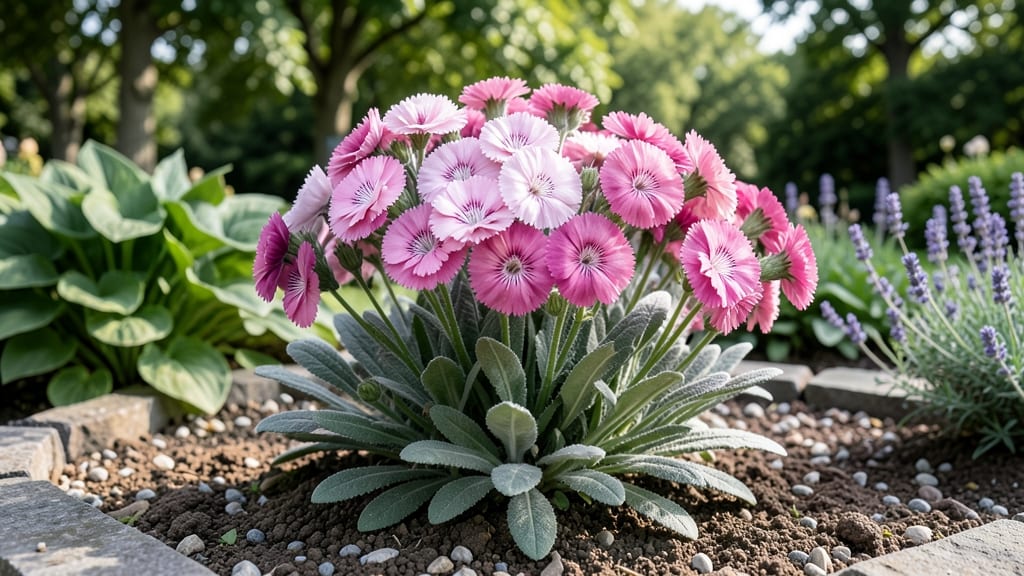
Dianthus do not bloom all summer continuously, but many varieties—like perennial dianthus—rebloom intermittently with proper care, while annuals produce flowers seasonally. Deadheading spent blooms and ensuring full sun exposure encourage prolonged flowering periods.
While dianthus plants may not provide nonstop blooms, their flowering habits vary dramatically between types. Perennial varieties often experience natural lulls after their first flush of flowers, especially in hot climates, while annual dianthus typically bloom heavily for just one season.
The key to encouraging repeat blooms lies in mimicking their natural growth patterns—regular deadheading removes spent flowers that sap energy, and well-draining soil prevents root stress. I’ve found that morning watering (never overhead) helps maintain vibrant blooms longer, as wet foliage invites fungal issues.
For varieties like sweet william, a light fertilizer application every 4-6 weeks can extend their display by 3-4 weeks beyond their natural cycle. 🌸
💡 In This Article
- Dianthus Bloom Cycles: Perennial vs Annual Varieties
- Tips to Extend Dianthus Flowering Season
Dianthus bloom cycles: perennial vs annual varieties
Understanding dianthus blooming patterns starts with their biological classification. Annual varieties, like Dianthus chinensis, complete their entire life cycle in one growing season, typically producing a single burst of blooms from early summer until frost.
These plants focus all their energy on flowering and seed production, which is why they don't rebloom. In contrast, perennial dianthus, such as Dianthus gratianopolitanus (commonly called "pinks"), have a different strategy—they store energy in their roots to fuel multiple bloom cycles over several years. 🌿
The key difference lies in their growth habits and environmental triggers. Annuals bloom continuously until environmental conditions (like shorter daylight or cooler temperatures) signal the end of their season.
Perennials, however, often experience a natural dormancy period after their first flush of flowers, especially in USDA zones 5-7 where summer heat can stress the plants.
For example, Dianthus barbatus (sweet william) typically blooms in early summer, then enters a brief rest before producing a second, smaller flush in late summer—if given proper care.
The timing of these cycles is influenced by day length and temperature fluctuations, with many perennials needing a period of 10-14 days below 60°F to trigger reblooming.
Climate plays a significant role in these patterns. In warmer zones (8-10), perennial dianthus often struggle to rebloom because the heat prevents the necessary dormancy period, while in cooler zones (3-6), they may produce multiple flushes throughout the summer.
This is why gardeners in Pacific Northwest (zone 7-8) often see better reblooming than those in Southern California (zone 10). The plant's natural defense mechanism—dormancy—is essentially a survival strategy that gets disrupted by consistent warm temperatures. 🌡️
Another critical factor is the plant's energy allocation. When dianthus focus on producing seeds (as annuals do), they prioritize reproduction over additional flowering. Perennials, however, can redirect energy back to flower production if given the right conditions—like regular deadheading and balanced fertilization.
For instance, removing spent blooms from Dianthus plumarius can extend its flowering season by 4-6 weeks compared to plants left to seed naturally. This redirection of energy is what allows perennials to produce intermittent blooms throughout the growing season.
Let's look at specific examples: Sweet william (Dianthus barbatus) typically blooms in two distinct waves—once in early summer and again in late summer—while carnation (Dianthus caryophyllus) varieties often produce a single, prolonged bloom period that can last 6-8 weeks with proper care.
The difference comes down to their genetic programming and how they've adapted to their native environments. Annuals, like Dianthus chinensis, evolved to complete their life cycle quickly in short growing seasons, while perennials developed mechanisms to spread their flowering over multiple years. 🌸
For gardeners aiming to maximize blooms, understanding these natural cycles is essential. Perennials need stress-free conditions to rebloom, while annuals should be treated as one-time showstoppers.
The secret to encouraging reblooming in perennials often lies in mimicking their natural dormancy triggers—like providing afternoon shade during heatwaves or ensuring well-draining soil to prevent root stress. This approach can turn a single summer bloom into a multi-season display with proper timing and care. ✨