
Blooming
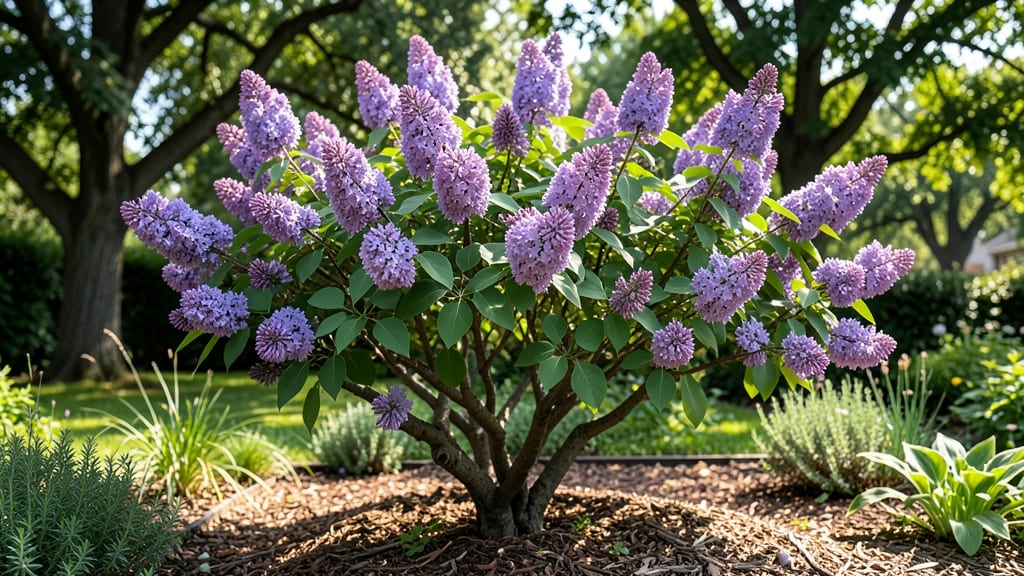
Yes, lilacs bloom on old wood, which means their flower buds form on stems from the previous year’s growth, making careful pruning essential to preserve next season’s blooms.
This unique growth habit explains why lilacs often look barren after heavy pruning—they rely on last year's stems to produce flowers. 🌸 The buds actually form in late summer, then enter dormancy until cold temperatures trigger blooming in spring.
Unlike hydrangeas or roses, which can bloom on new growth, lilacs need those mature stems to thrive.
Understanding this helps you avoid cutting back too aggressively. Prune lilacs right after flowering (late spring to early summer) to shape the plant without removing next year's buds. Even a small misstep can mean fewer blooms next season!
💡 In This Article
- Why Lilacs Bloom on Old Wood: The Science Behind Flower Development
- Best Pruning Practices for Lilacs to Encourage Blooms
Why lilacs bloom on old wood: the science behind flower development
Lilacs produce flowers on old wood because their buds form during late summer on the previous year's growth, a process called bud differentiation. These buds remain dormant through winter, requiring exposure to cold temperatures (typically 30-40°F for 4-6 weeks) to break dormancy and trigger spring blooming.
This adaptation is a survival mechanism—buds on old wood are less vulnerable to late-season frost damage than new growth.
The buds themselves are tiny, hard structures (about 1/8-inch long) that develop at the leaf axils along mature stems.
Think of them like nature's time capsules: they hold all the genetic instructions needed to produce flowers, leaves, and even next year's buds. 🌱 Unlike hydrangeas, which can bloom on both old and new wood, lilacs rely entirely on these dormant buds, making their pruning needs far more precise.
This old-wood blooming habit explains why lilacs often look bare after severe pruning—they've lost their flower-producing stems. The buds form in late summer (around August-September), so any pruning after this period risks removing next year's blooms.
Even a 10% reduction in old wood can cut flower production by 30-50% the following spring, which is why gardeners must time their cuts carefully.
Cold exposure plays a critical role in this process. Lilacs are temperate-zone plants that evolved to thrive in regions with distinct seasonal changes. The cold winter months act like a biological switch, signaling the buds to wake up in spring.
Without adequate cold exposure (a phenomenon called vernalization), buds may fail to bloom or produce only sparse flowers. This is why lilacs grown in mild climates sometimes struggle to flower well.
Contrast this with new-wood bloomers like roses or hydrangeas, which produce flowers on current season's growth. Lilacs' old-wood habit means their pruning window is narrow—cut too early, and you remove next year's blooms; wait too long, and you miss the chance to shape the plant.
The ideal timing is right after flowering when new growth has begun but before the buds form for next season.
Here's what's happening at the cellular level: The buds contain meristem cells that divide rapidly in late summer, forming the flower structures. These cells are sensitive to temperature changes, which is why sudden warm spells in winter can confuse the buds and lead to erratic blooming.
This biological precision is what makes lilacs so rewarding to grow once you understand their needs.