
Blooming
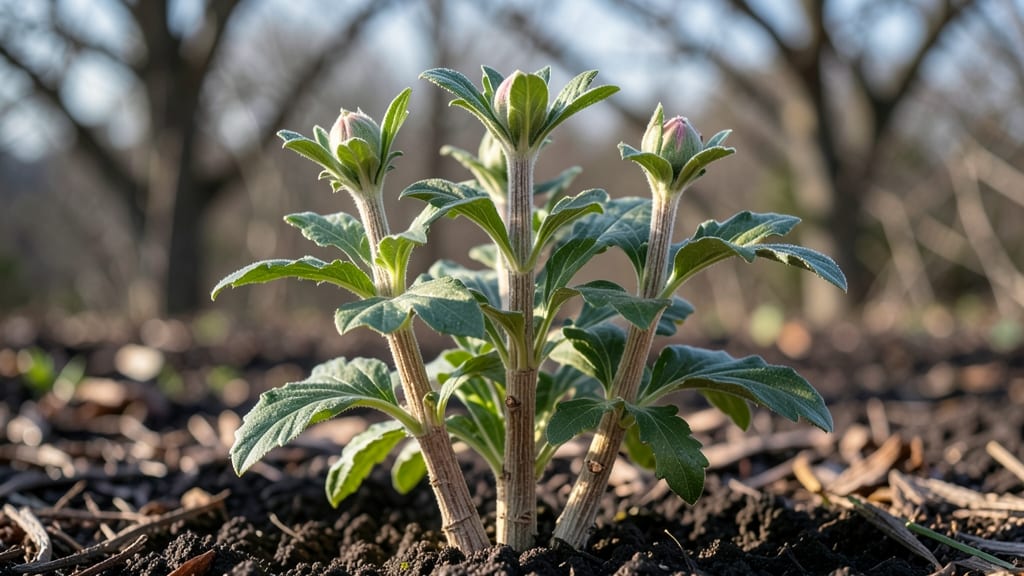
Mums (chrysanthemums) don't typically bloom in spring—they're fall stars, though cold-hardy varieties might produce sparse flowers in early spring if grown in mild climates or protected through winter. Their showstopping displays usually arrive in late summer to early fall.
Most mums follow nature's schedule, triggered by shorter daylight hours in autumn rather than spring's lengthening days. 🌿 This photoperiodism is why you'll see garden centers packed with blooms in September and October, not March or April.
The few varieties that might flower in spring—like 'Hardy Bonanza' or 'Dynasity'—do so because they're bred to withstand colder temperatures and can push through early growth when conditions are just right.
If you're dreaming of springtime color, focus on selecting these cold-tolerant types or consider planting spring-blooming annuals alongside your mums for year-round interest.
For gardeners eager to extend their mum season, proper winter care makes all the difference. I've found that mulching heavily and providing light frost protection can help some varieties recover faster in spring, though they'll still prioritize their fall display.
The key is balancing early-season potential with the dramatic autumn show that mums are famous for.
💡 In This Article
- Why Mums Bloom in Fall Instead of Spring
- How to Encourage Spring Blooms in Mums
Why mums bloom in fall instead of spring
Chrysanthemums (mums) follow a strict seasonal schedule because they're short-day plants, meaning their flowering is triggered by decreasing daylight hours—not the warmth of spring. When days grow shorter in late summer, these plants detect the shift through specialized proteins called phytochromes in their leaves, which respond to light duration.
This photoperiodism is why you'll see peak mum blooms in September and October across most of North America, where daylight drops below 12-14 hours.
The process begins when mum plants sense 10-12 hours of darkness per night, which activates a cascade of hormonal changes. Gibberellins (growth hormones) decrease while florigen (a flowering signal) increases, prompting bud formation. 🌙 This is why spring-planted mums often sit dormant until fall—they're waiting for their natural cue.
Even in mild climates, most varieties won't bloom until autumn because their genetic programming prioritizes this light-sensitive response over temperature alone.
Temperature plays a supporting role but isn't the primary trigger. While 60-70°F days encourage healthy growth, the critical factor remains daylight length. Some gardeners mistakenly think spring warmth would prompt blooms, but without shorter days, the plants remain vegetative.
This is why tropical climates with consistent daylight rarely see traditional mum blooms—they need that seasonal light reduction to perform their floral magic.
There are exceptions: Cold-hardy varieties like 'Hardy Bonanza' or 'Dynasity' might produce sparse spring flowers because they've adapted to push through early growth when winter conditions are mild. These plants can detect chilling hours (below 40°F) that signal spring's approach, but their main display still arrives in fall.
The trade-off is worth it for gardeners—they get two bloom seasons for one plant, though spring flowers are typically smaller and less vibrant.
For comparison, spring-blooming flowers like tulips or daffodils rely on vernalization (cold treatment) rather than photoperiodism. Mums' light sensitivity makes them unique—they're more about day length than temperature, which is why they thrive in regions with distinct seasonal light changes.
This botanical quirk is what makes them such reliable autumn stars in gardens worldwide.