
Blooming
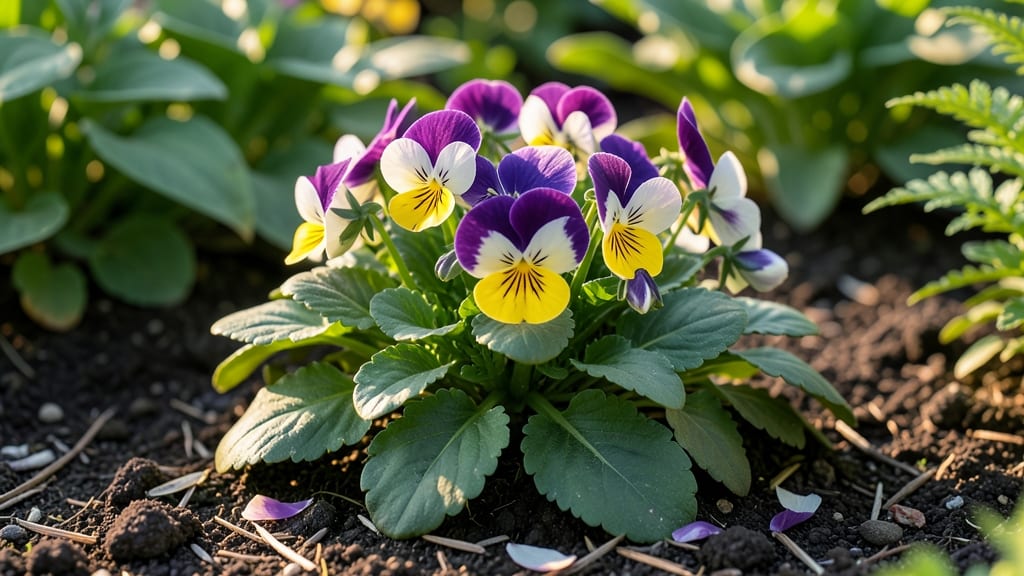
Pansies don't bloom all summer in most climates, since they prefer cooler temperatures and often fade when heat arrives. However, heat-tolerant varieties and smart planting techniques can keep them flowering well into summer, particularly in coastal or high-altitude areas.
Pansies are cool-season flowers at heart, which means they typically slow down or stop blooming when temperatures rise above 75°F. 🌸 The good news is that some modern hybrids, like 'Majestic Giant' or 'Cool Wave' series, are bred to handle warmer conditions better than traditional varieties.
Even then, they'll need afternoon shade and consistent moisture to keep producing flowers—think of them as the marathon runners of the garden, not sprinters.
For gardeners in hotter zones (like USDA 8-10), the secret often lies in planting pansies in partial shade and pairing them with taller plants to block direct sunlight. Mulching around the base helps retain moisture, while deadheading spent blooms encourages new ones to form.
In milder coastal climates, pansies can sometimes bloom year-round with minimal care, making them a low-maintenance option for seasonal color.
💡 In This Article
- Climate Zones That Prolong Pansy Blooms
- Best Pansy Varieties for Extended Summer Flowering
Climate zones that prolong pansy blooms
Pansies are cool-season champions, thriving when daytime temperatures stay between 50-75°F—ideal conditions found in USDA Zones 3 through 8 during spring and fall. 🌿 In hotter zones (9-11), their blooms often wilt under 80°F+ heat, triggering dormancy.
The key difference lies in summer humidity: coastal areas with moderate temperatures (like San Francisco) maintain pansy blooms longer than inland deserts, where dry heat accelerates wilting. High-altitude gardens (e.g., Denver) also extend blooming because cooler nights preserve energy for flower production.
Sunlight exposure creates another critical divide. Pansies need 4-6 hours of morning sun but suffer from afternoon heat, which causes their petals to scorch. In Zone 7, for instance, planting them under 30-50% shade (via lattice or taller perennials) can push blooming into early summer.
Conversely, Zone 5 gardens might see pansies flowering until June 15-30 with proper afternoon shade, while Zone 9 gardens rarely sustain blooms past May 15 without heat-tolerant varieties.
Humidity plays a surprising role: pansies in 40-60% humidity (common in Pacific Northwest summers) retain moisture better than those in 20% humidity (typical of Southwest summers). This is why coastal gardeners report 3-4 weeks longer blooming than inland growers.
Mulching with 2-3 inches of organic matter (like straw) helps regulate soil temperature and moisture, creating microclimates that mimic their ideal growing conditions.
Seasonal timing matters too. In Zone 6, pansies planted in early September often bloom until Christmas, while spring plantings fade by July 4th. This "fall planting hack" leverages cooler autumn temperatures to restart their blooming cycle.
For summer-long color, Zone 8 gardeners might stagger plantings every 4-6 weeks, ensuring fresh blooms as older ones decline.
What most gardeners overlook is the role of soil temperature. Pansies prefer soil temps between 55-65°F—warmer soil accelerates nutrient uptake but also speeds up dormancy. In Zone 7, for example, soil temps above 70°F trigger dormancy within 10-14 days.
Using black plastic mulch in summer can lower soil temps by 5-10°F, buying time for extended blooming.
Here's the bottom line: pansies won't bloom all summer in most climates, but with the right zone-specific strategies—like afternoon shade, mulching, and staggered plantings—you can extend their season by 4-8 weeks in ideal conditions. 🌸