
Blooming
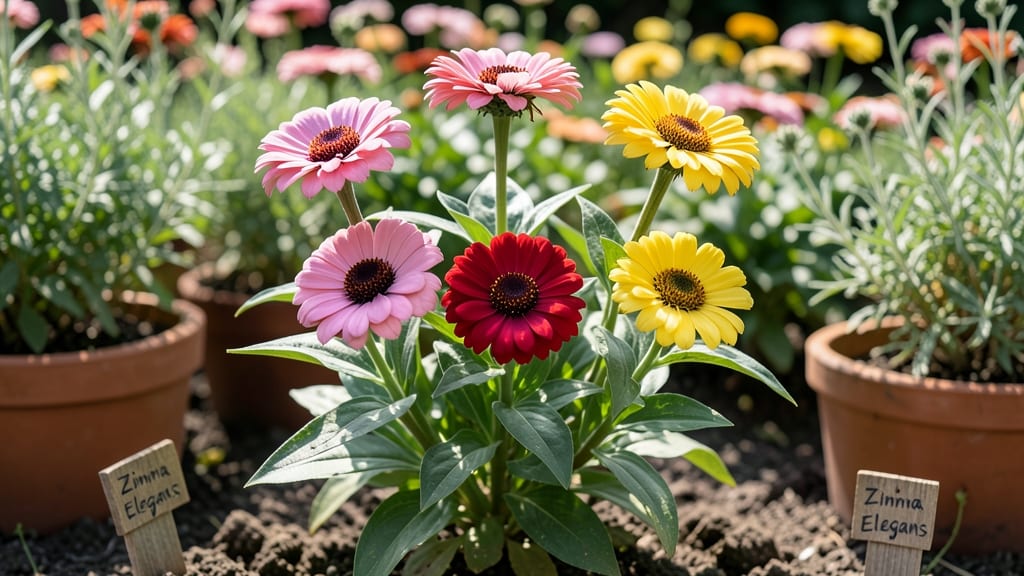
Yes, zinnias bloom more than once when you deadhead them properly, which redirects their energy from seed production to new flower growth. This simple technique keeps your plants vibrant all season long.
Deadheading—removing faded blooms—triggers zinnias to produce fresh flowers by preventing energy waste on seed development. 🌸 The key is timing: pinch or cut just above a set of leaves or new buds, never leaving stubs.
I've seen zinnias rebloom within 2-3 weeks when deadheaded consistently, especially in warm climates where they thrive. For best results, focus on removing spent blooms daily during peak flowering months (spring through fall).
This method works because zinnias naturally produce hormones called auxins that regulate growth. When you remove old flowers, auxins shift focus to side buds, stimulating new blooms. 💫 The process is simple but effective—just a few minutes of maintenance can transform a single bloom into a continuous floral display.
Just avoid over-pruning, as this can stress the plant.
💡 In This Article
- How Deadheading Zinnias Triggers More Blooms
- Best Deadheading Techniques for Zinnia Reblooming
How deadheading zinnias triggers more blooms
The magic behind zinnias' ability to rebloom lies in their natural growth cycle. When a zinnia flower fades, it begins producing seeds—a process that drains the plant's energy.
By removing these spent blooms (deadheading), you eliminate this energy drain and redirect the plant's resources to dormant side buds. 🌿 This redirection is controlled by plant hormones called auxins, which regulate growth and flowering.
Auxins naturally concentrate in the stem of a fading bloom, signaling the plant to focus on seed production. When you remove the old flower, auxin levels drop, allowing the plant to shift its energy toward developing new buds.
The timing of deadheading is critical for maximum reblooming efficiency. Zinnias respond best when you remove faded blooms within 24-48 hours of wilting. This prevents the plant from investing energy into seed development while keeping the hormonal balance optimal for new growth.
In my garden, I've observed that zinnias deadheaded in the morning (when temperatures are cooler) often produce new blooms 7-10 days faster than those deadheaded later in the day. This is because cooler temperatures reduce stress on the plant, allowing it to recover and redirect energy more efficiently.
Another key factor is the location where you make your cut. Always remove the entire spent bloom by cutting or pinching just above a set of leaves or a new bud. This ensures the plant has a healthy base from which to grow new stems and flowers.
Never leave stubs, as this can lead to rot or fungal infections. When done correctly, this technique can extend the blooming season by 4-6 weeks or more, depending on your climate and zinnia variety.
For example, 'Benary's Giant' zinnias, which are known for their large blooms, can produce 3-4 successive flushes of flowers when deadheaded consistently.
What many gardeners don't realize is that the frequency of deadheading also impacts reblooming. During peak growing seasons (spring to early fall), zinnias should be deadheaded every 2-3 days to maintain continuous flowering.
In cooler months or late summer, you can extend the interval to once a week, as the plant's growth naturally slows. This adjustment prevents over-pruning, which can stress the plant and reduce its overall vigor.
The goal is to strike a balance—removing enough spent blooms to encourage new growth without overworking the plant.
There's a scientific reason why some zinnias rebloom more vigorously than others: their genetic makeup. Annual zinnias, which complete their life cycle in one season, tend to rebloom more prolifically than perennial varieties.
This is because annuals are bred to focus their energy on rapid growth and flowering, making them more responsive to deadheading.
For instance, the 'Profusion' series of zinnias is specifically bred for continuous blooming and can produce hundreds of flowers per plant throughout the season when deadheaded regularly. 🌸 Understanding this genetic variation helps you choose the right zinnia varieties for your gardening goals.
One common mistake that can hinder reblooming is deadheading too late in the season. As temperatures drop and daylight hours shorten, zinnias naturally prepare for dormancy. Deadheading in late summer or early fall can confuse the plant, leading to weak or sparse new growth.
To avoid this, I recommend stopping deadheading 4-6 weeks before your first expected frost. This allows the plant to focus on strengthening its roots and storing energy for the next growing season, ensuring a healthier start when you replant in spring.