
Blooming
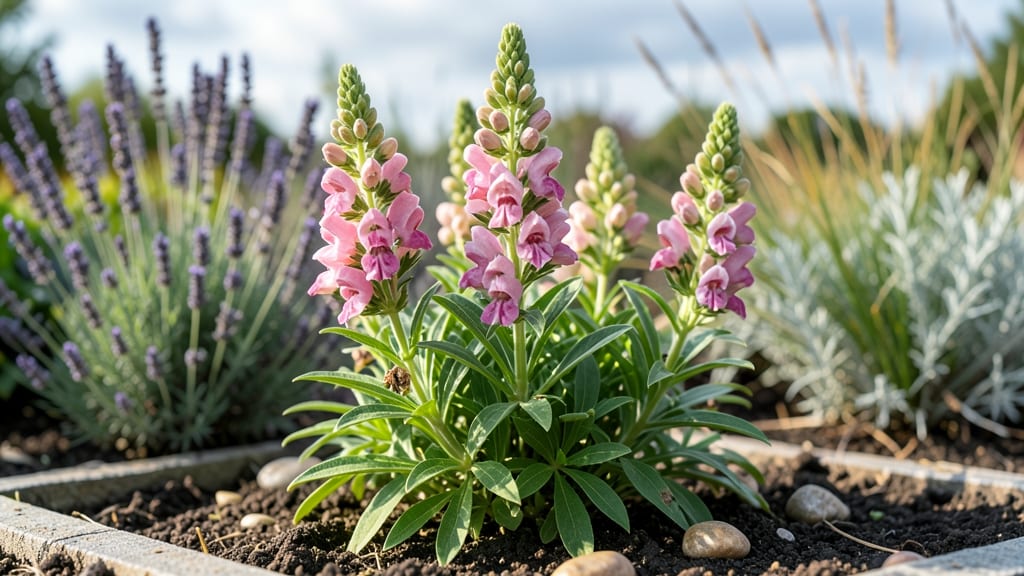
Snapdragons bloom in late spring to fall, but their exact timing depends on your climate zone, variety, and care—so you can’t just plant and hope for the best.
Picture this: You’ve waited weeks for those 🌸 buds to open, only to watch them wilt before they even show off their colors. That’s the frustration of guessing bloom schedules instead of planning for them.
The good news? With the right timing, you can stretch those vibrant flowers from early summer straight into autumn.
In Zone 6a (like much of the Midwest), snapdragons typically burst into color in June and keep going until a hard frost in September. But cooler zones or late-spring frosts can push blooms back, while warmer climates might see them start as early as May.
The key is planting at the right time—4-6 weeks before your last frost—and giving them the sunlight and soil they crave.
Below, I’ll break down exactly when to plant for your zone, how to extend that bloom time, and the simple tricks to keep your snapdragons flowering all season long—no guesswork included.
Snapdragon bloom time by USDA climate zones: when to plant for best results
Timing is everything when growing snapdragons (Antirrhinum spp.), and your USDA climate zone determines the perfect window for planting. In cool climates (Zones 3-6), snapdragons thrive as cool-season annuals, while warmer zones (7-11) often grow them as winter annuals or perennials.
Understanding these differences ensures vibrant blooms from early summer to frost.
For example, in Zone 5, I plant my cool-season varieties like 'Liberty Hybrid' in late March to early April, while in Zone 9, I opt for warm-season types like 'Matrix' in September to October.
The key is matching your variety to your zone's last frost date and average temperatures.
Here’s how to align your snapdragon planting with your zone for peak bloom performance: