
Blooming
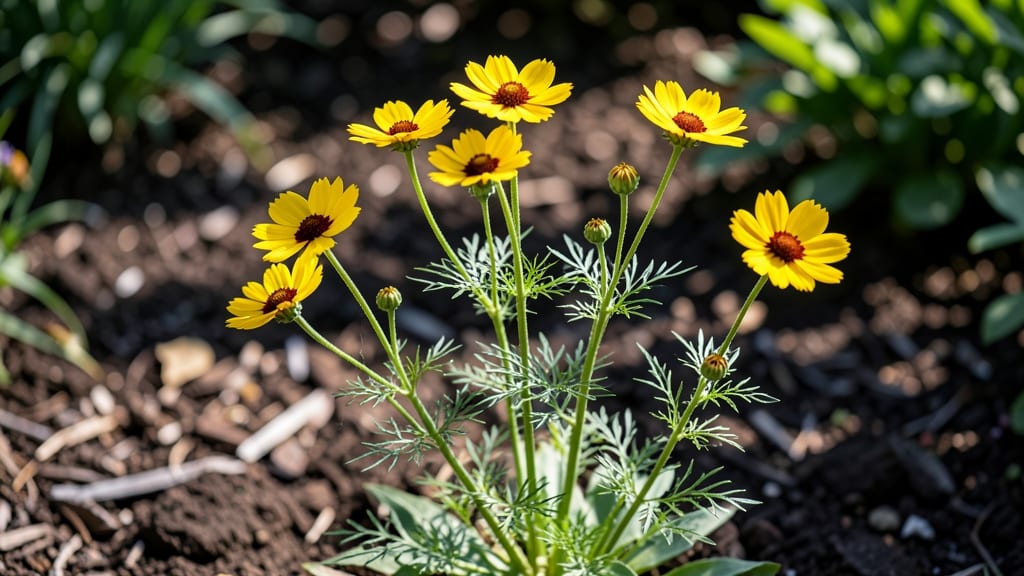
Coreopsis does bloom all summer in most varieties when you maintain proper care, particularly by deadheading spent blooms consistently. Some types, like Coreopsis verticillata, may need strategic pruning to keep flowering strong, while others naturally produce fresh blooms with minimal intervention. Consistent sunlight, well-draining soil, and regular watering are your best tools for summer-long color.
Most coreopsis varieties are summer bloomers by nature, but their performance depends heavily on your gardening habits. 🌸 The key to nonstop flowers lies in understanding each plant's growth pattern—some, like the classic Coreopsis grandiflora, produce abundant blooms with minimal effort, while others need a little extra encouragement.
I've found that regular deadheading (removing faded flowers) triggers new growth, especially in heat-loving varieties that thrive in full sun. The secret sauce? Combining this with proper soil drainage and avoiding overwatering, which can stress the plants and shorten their blooming season.
What many gardeners don't realize is that coreopsis actually has a built-in reblooming mechanism when conditions are right.
These plants store energy in their roots, allowing them to push out new flowers even after the first flush. Coreopsis lanceolata, for example, often self-seeds prolifically, giving you bonus blooms the following year with almost no effort. The trade-off?
Some varieties, particularly the threadleaf types, may produce fewer flowers if they get too leggy—this is where strategic pruning comes in to maintain that bushy, flowering shape.
💡 In This Article
- Coreopsis Varieties and Their Summer Blooming Habits
- Deadheading and Pruning for Extended Coreopsis Flowers
Coreopsis varieties and their summer blooming habits
The reason coreopsis thrives as a summer bloomer comes down to its natural growth cycles and energy storage. Most varieties, like Coreopsis grandiflora (the classic tickseed), produce their first flush of blooms in early summer, then rely on deadheading to trigger new growth from the plant's basal rosette.
These varieties store carbohydrates in their roots during the growing season, which they convert into flower buds when stimulated by proper care. In ideal conditions (full sun and well-draining soil), they can continue blooming until frost, sometimes even producing a second flush in late summer.
Contrast this with Coreopsis verticillata (threadleaf), which has a different blooming strategy. This variety typically flowers in early to mid-summer and may produce fewer blooms later in the season unless you prune it back by 25-30% after the first flush.
The reason is its more upright growth habit—without pruning, it puts energy into stem elongation rather than new flowers. 🌿 What's fascinating is how climate zones affect this: in warmer zones (7-10), coreopsis often blooms continuously, while in cooler zones (3-6), they may need a heat boost (like black mulch) to extend their season.
Here's where variety selection becomes crucial for summer-long color. Coreopsis lanceolata (lanceleaf) is a self-seeding champion that often reblooms prolifically from its own seeds, while Coreopsis 'Moonbeam' produces delicate, long-lasting blooms that stay fresh with minimal deadheading.
The key difference lies in their growth patterns: some grow as clumping perennials (like 'Zagreb'), while others spread (like 'Sunray'). This affects how they handle summer heat—spreading types often need more frequent deadheading to prevent overcrowding, which can reduce flower production.
What most gardeners overlook is how soil moisture affects reblooming. Coreopsis plants actually go semi-dormant during extreme heat if the soil stays too wet, which triggers them to conserve energy rather than produce new flowers.
The sweet spot is 1-1.5 inches of water per week, delivered either through rainfall or irrigation. In my own garden, I've noticed that varieties with fuzzy leaves (like 'Moonbeam') handle heat better because their leaf structure reduces water loss through transpiration.
Consider these key factors when choosing varieties for summer color:
- First flush producers: Coreopsis grandiflora and 'Zagreb' bloom heavily in early summer and continue with proper care
- Second flush varieties: Coreopsis lanceolata and 'Sunray' often produce a late-summer rebloom if deadheaded
- Heat specialists: Coreopsis verticillata and 'Moonbeam' thrive in full sun with minimal water
The science behind this involves photoperiodism—the plant's response to daylight length. Most coreopsis varieties are day-neutral, meaning they flower continuously as long as temperatures stay above 55°F and they receive at least 6-8 hours of direct sunlight.
This is why they perform so well in summer gardens, where daylight is longest. The exception is Coreopsis tinctoria, which is actually a short-day plant and may bloom more prolifically in fall if given the right conditions.