
Blooming
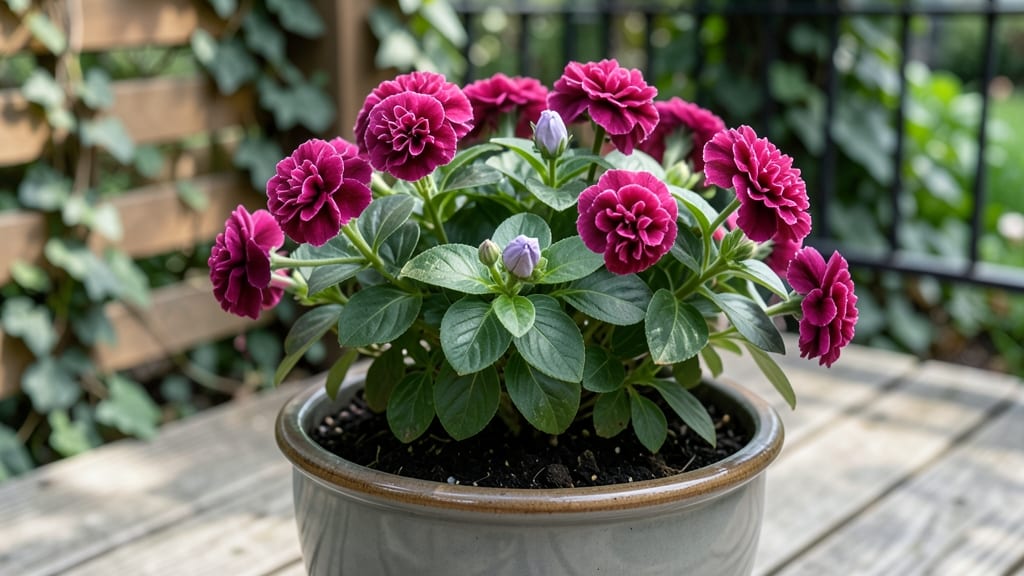
Double bloom impatiens transform shady spots into nonstop color factories. 🌿 I've grown them for years, and the secret to their year-round flowering isn't just shade tolerance—it's the right deadheading routine and a few simple care tweaks that keep them blooming like clockwork.
The plants thrive in partial to full shade, where most flowers would give up, and they love consistently moist, well-draining soil. A light hand with fertilizer (every 4-6 weeks) and occasional pruning to encourage bushiness make all the difference.
My shade garden now stays vibrant from spring through frost, with minimal effort. What you'll end up with is a lush, blooming display that outlasts spring annuals by months.
The flowers come in every color imaginable, and they're perfect for containers, hanging baskets, or massed in borders where they'll spill over edges beautifully. Here's the thing—these plants are forgiving but not indestructible. Overwatering or letting them dry out completely will send them into decline, so consistent moisture is key.
Once you master the routine, they'll reward you with months of effortless color.
📚 In This Guide
- What you need
- Instructions
- Tips and common mistakes
- Wrapping up and next steps
What you need
- ● Double Bloom Impatiens Seeds or Plants: Seeds: 10–20 seeds (for starter trays) or 1 packet (if sowing directly) Plants: 3–6 mature plants (check labels for "double bloom" varieties like Impatiens walleriana or Impatiens hawkeri)
- ● Potting Mix: 5–10 gallons of well-draining, peat-based mix (e.g., African Violet mix or a 50/50 blend of potting soil and perlite)
- ● Containers or Garden Beds: For indoor pots: 6–8" diameter containers with drainage holes (3–5 plants per pot) For outdoor beds: Partial shade with moist, fertile soil (amend with compost if needed)
- ○ Fertilizer: Balanced liquid fertilizer (10-10-10 or 20-20-20), diluted to half-strength Slow-release granules (optional, for long-term feeding)
Step-by-step instructions for cultivating double bloom impatiens
Here’s how to keep your impatiens flowering nonstop—no more sparse stems or faded blooms.
🌱 Step 1: Select the Right Variety and Planting Location
Double bloom impatiens thrive in partial to full shade—they’ll wilt in direct afternoon sun. Choose a spot with morning sunlight and afternoon dappled shade, like under a tree canopy or near a north-facing wall. I always opt for New Guinea impatiens for their bold foliage and heat tolerance, while classic impatiens (like ‘Double’ series) prefer cooler climates.
Dig a hole twice as wide as the root ball but only as deep as the container’s base. Loosen the roots gently if they’re circling—this encourages outward growth, which means more blooms. Plant 4-6 inches apart in clusters to create a lush, continuous display. The key here is moisture retention—impatiens hate drying out, so avoid windy spots where roots stay too dry.
💧 Step 2: Water Deeply and Maintain Consistent Moisture
Water immediately after planting to settle the soil and eliminate air pockets. Then, keep the soil evenly moist—never soggy. I test this by sticking my finger 1 inch deep into the soil; if it feels dry, it’s time to water. Double bloom impatiens wilt fast when thirsty, so water in the morning to let foliage dry before evening, reducing fungal risks.
Mulch with 2-3 inches of shredded bark to lock in moisture and suppress weeds. Avoid organic mulches like wood chips if your climate stays hot—they can mat down and trap too much heat. Instead, I use pine straw for its airy texture, which mimics the dappled shade they love.
✂️ Step 3: Deadhead Religiously for Continuous Blooms
This is the secret to year-round color: deadhead every 3-5 days. Pinch off spent blooms just above the next set of leaves (where the flower stem meets the foliage). I use clean, sharp scissors to avoid tearing stems—impatiens heal fast, but jagged cuts invite disease. Watch for new buds forming within 7-10 days of deadheading; this tells me the plant is responding well.
For extra lushness, prune leggy stems back by one-third in early summer. This encourages bushier growth and more blooms. Just avoid cutting into old wood—the stems should still feel pliable. If you see yellow leaves, don’t panic; it’s often just the plant adjusting to heat or shade changes.
☀️ Step 4: Adjust Light and Fertilize for Peak Performance
If your impatiens start looking sparse, they’re likely getting too much sun. Move them to a shadier spot or add a light shade cloth (30-50% coverage) during peak afternoon hours. Conversely, if growth stalls, they need more morning light. I rotate my containers every 2 weeks to ensure even exposure—this prevents leaning and keeps blooms uniform.
Feed every 4-6 weeks with a balanced, water-soluble fertilizer (10-10-10 or 20-20-20). Dilute to half-strength to avoid burning tender roots. I skip fertilizer in winter unless blooms slow down—overfeeding then leads to leggy, weak stems. Always water thoroughly before and after applying fertilizer to prevent salt buildup.
⏰ Step 5: Overwinter Care for Year-Round Color
In cooler climates, bring potted impatiens indoors before first frost (typically late October). Place them in a bright, cool room (50-60°F) with grow lights if natural light fades. Reduce watering to every 10-14 days, letting the top 1 inch of soil dry out between waterings. This mimics their natural dormancy period and prevents root rot.
In mild winters, mulch heavily and protect with burlap wraps if temps dip below 30°F. I’ve kept impatiens blooming through winter by deadheading less frequently and focusing on light and moisture. Prune back by half in early spring to encourage fresh, vigorous growth before moving them back outdoors.
Tips & tricks for cultivating double bloom impatiens
Between us, these little plants are finicky—get them right, and you’ll have nonstop color. Here’s what nobody tells you about keeping them thriving.
Variety Matters: New Guinea impatiens handle heat better than classic varieties, but they still need that morning sun and afternoon shade. If your climate stays hot, opt for New Guinea—they’ll reward you with bolder foliage and more heat tolerance. Classic impatiens (like the ‘Double’ series) prefer cooler spots, so match your variety to your microclimate. I’ve seen classic impatiens wilt in afternoon sun when New Guinea types thrive right next to them.
Root Care is Everything: When planting, those circling roots aren’t your friend—they’ll strangle growth. Gently tease them apart before placing in the hole, and resist the urge to bury them too deep. The root ball should sit at the same depth as it was in the pot. This encourages outward growth, which translates to more stems and blooms. I’ve planted dozens and always check this step—it’s the difference between sparse stems and a lush display.
Deadheading Discipline: That 3-5 day window is non-negotiable if you want continuous blooms. Use clean, sharp scissors (not your fingers!) to pinch just above the next set of leaves. This tiny detail prevents disease and signals the plant to produce new buds within 7-10 days. I keep a small pair of scissors in my gardening apron—it’s a game-changer for busy gardeners. Watch for those new buds forming; they’re your reward for staying consistent.
Winter Survival Hack: In cooler climates, don’t panic when blooms slow down in winter—it’s natural. Reduce watering to every 10-14 days and let that top inch of soil dry out between waterings. I’ve kept impatiens blooming through winter by deadheading less frequently and focusing on light and moisture. A bright, cool room (50-60°F) with grow lights works wonders if natural light fades. The key is mimicking their natural dormancy period without letting them dry out completely.
Pro Tips for Double Bloom Impatiens
- Between us, these little plants are finicky—get them right, and you’ll have nonstop color. Here’s what nobody tells y...
- Variety Matters: New Guinea impatiens handle heat better than classic varieties, but they still need that morning sun...
- Root Care is Everything: When planting, those circling roots aren’t your friend—they’ll strangle growth. Gently tease...
Frequently asked questions
Got questions about keeping your double bloom impatiens thriving? You’re not alone! Here are answers to the most common queries—so you can enjoy their vibrant blooms all year long.
How often should I deadhead double bloom impatiens?
Deadhead spent blooms every 2–3 days to encourage nonstop flowering. These beauties bloom prolifically, but removing faded flowers redirects energy to new buds. For indoor plants, a quick pinch with your fingers works—no tools needed!
When do double bloom impatiens start flowering?
Expect blooms 6–8 weeks after planting (or transplanting seedlings). Start seeds indoors 8–10 weeks early for a head start. With proper care, they’ll reward you with double-layered blooms in shades of pink, red, or white—often lasting until frost (or year-round indoors!).
Can I grow double bloom impatiens in containers?
They thrive in hanging baskets, pots, or window boxes (6+ inches deep). Use well-draining soil and keep them in bright, indirect light. For containers, water when the top inch of soil feels dry—overwatering is their #1 enemy.
Why are my impatiens’ leaves turning yellow?
Yellow leaves usually signal overwatering, poor drainage, or pests. Check for soggy soil (let it dry slightly between waterings) and inspect for aphids or spider mites. If roots look mushy, repot in fresh soil. Fun fact: Impatiens hate cold drafts—keep them cozy!
What’s a good alternative if double bloom impatiens don’t work for me?
Try New Guinea impatiens (hardier, sun-tolerant) or begonias (similar care, bold blooms). For shade lovers, coleus or heuchera add color without the fuss. Just match your space’s light and moisture needs!
Wrapping up and next steps
Double Bloom Impatiens are a garden superstar—packing vibrant colors and long-lasting blooms with just a little care! 🌸 By mastering deadheading and a few simple tricks, you’ll enjoy nonstop beauty from spring to frost.
Whether you’re a seasoned gardener or just starting, these tips make it easy to keep your impatiens thriving.
Ready to transform your space? Grab your pruners and start deadheading today—your impatiens (and your neighbors!) will thank you. Happy gardening! 🌿