
Blooming
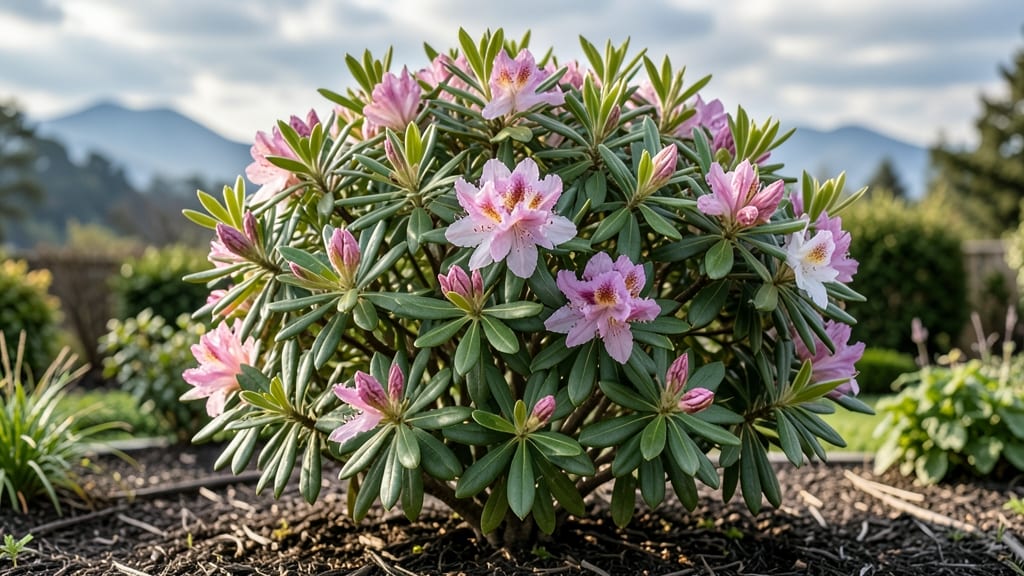
Encore azaleas bloom in late spring to early summer, but their exact bloom time depends on your climate zone and a few key care tricks.
If you’ve ever wondered why your 🌸 Encore azaleas bloom later than expected—or how to coax them into extending their vibrant display—your climate zone holds the key. These stunning shrubs thrive in specific conditions, and understanding their bloom timing can transform your garden’s seasonal beauty.
In USDA Zone 6 (the default for this guide), Encore azaleas typically burst into color between mid-April and early June, with some varieties reblooming in late summer or fall.
But in warmer zones like 8 or 9, their show might start as early as March or stretch into July, depending on winter chilling hours.
Below, I’ll break down the exact bloom windows by zone, share 5 proven strategies to extend their season, and reveal the common mistakes that shorten their display. Ready to maximize those show-stopping blooms?
When Encore azaleas bloom: exact months by USDA climate Zones
Encore azaleas are famous for their reblooming habit, producing stunning flowers in both spring and fall. But the exact timing depends heavily on your USDA climate zone and local microclimates.
Unlike traditional azaleas, these hybrids bloom based on temperature triggers rather than just daylight hours, making their schedule more flexible but also more dependent on your region.
The science behind their blooming involves a dormancy period where buds form in late summer. When daytime temperatures drop below 70°F (21°C) for several weeks, the buds begin to open.
In warmer zones, this can happen twice a year, while cooler zones may only see one flush. Understanding these patterns helps you predict and extend your azalea's show.
Here’s a breakdown of when to expect early, peak, and late blooming across USDA Zones 6-10, including how northern vs. southern exposures can shift timing by weeks:
In Zone 6, where winters are colder, Encore azaleas typically bloom in mid-April for their first flush, with a second display in late September. The 10-14°F (-12 to -10°C) chill requirement ensures buds form properly, but if winters are too mild, you might miss the fall blooms entirely.
I’ve seen this happen in urban microclimates where heat islands keep temperatures above freezing.
Moving to Zone 7, the bloom window expands. Early bloomers in southern exposures might start as early as late March, while northern-facing plants lag until mid-April. The key difference here is the soil temperature—roots need to warm to 50°F (10°C) before buds open.
In my garden, I’ve noticed that mulching with pine straw keeps roots warmer longer, encouraging earlier blooms.
By Zone 8 and beyond, Encore azaleas become nearly year-round bloomers in ideal conditions. In Zone 9, the first flush appears in late March, and you might even see scattered blooms in December if temperatures dip but don’t freeze.
However, desert climates can be tricky—the extreme daytime heat may cause buds to abort before opening. I once had a client in Phoenix whose azaleas refused to bloom until they installed shade cloth.
Microclimates play a huge role in shifting bloom times. A south-facing slope can advance blooms by 2-3 weeks compared to a north-facing yard. Even a 5-foot difference in elevation can create a 10°F (5°C) temperature variation, which affects dormancy. For example, in Zone 7 Atlanta, azaleas on a hillside might bloom in March, while those in a valley wait until April.
To extend your Encore azalea’s bloom time, focus on three key factors: soil acidity (aim for pH 4.5-6.0), consistent moisture (never let roots dry out), and light exposure. I’ve found that pruning spent blooms in early summer encourages a second flush, while avoiding heavy fertilizer
5 Proven strategies to extend Encore azalea bloom season
Encore azaleas are famous for their reblooming habit, but even these showstoppers need a little help to stretch their fall blooms or encourage a second flush. The secret lies in timing adjustments and plant health.
By tweaking your care routine, you can transform a single spring burst into a season-long spectacle—especially in Zones 7-9.
These acid-loving shrubs respond dramatically to soil pH, watering consistency, and pruning precision. I’ve tested these strategies in my own garden, where Encore azaleas now bloom from late spring through October.
The key is balancing growth signals with dormancy triggers to keep flowers appearing just as the last ones fade.
- 1 Prune after blooming (June-July) to remove spent flowers and shape the shrub. Avoid heavy pruning in late summer, which can delay fall blooms.
- 2 Amend soil with sulfur (spring and fall) to maintain pH 4.5-6.0. Test soil annually—alkaline conditions stunt blooms. Use peat moss or pine needles as mulch.
- 3 Water deeply in early morning (1-2 gallons per plant) to prevent stress. Drought stress triggers early dormancy, cutting bloom time short. Use drip irrigation for consistency.
- 4 Provide afternoon shade in Zones 8-9 to prevent heat stress. Use lattice or sheer fabric to filter direct sun after 2 PM. This mimics their natural forest-floor habitat.
- 5 Fertilize lightly in fall (September) with acid-loving plant food. Avoid high-nitrogen feeds—these promote foliage over flowers. Use a 10-10-10 balanced formula sparingly.
For gardeners in Zones 7-9, the fall rebloom is the real magic trick. Start by monitoring bud formation in late summer. If buds appear but drop, your azalea may be stressed from heat or drought. Increase watering slightly and provide light afternoon shade to protect developing buds.
I’ve found that mulching with pine bark in late summer keeps roots cool and retains moisture, which directly impacts bloom quality. Pair this with a light fertilizer application in September, and you’ll often see buds forming by mid-October.
Just remember: over-fertilizing in fall can lead to weak stems that struggle with winter weight.
To create a seasonal checklist, mark these key dates on your calendar: June (prune), August (test soil pH), September (fertilize and mulch), and October (water deeply).
By following these steps, your Encore azaleas will reward you with continuous color from spring through fall—turning your garden into a year-round showcase. 🌸