
Blooming
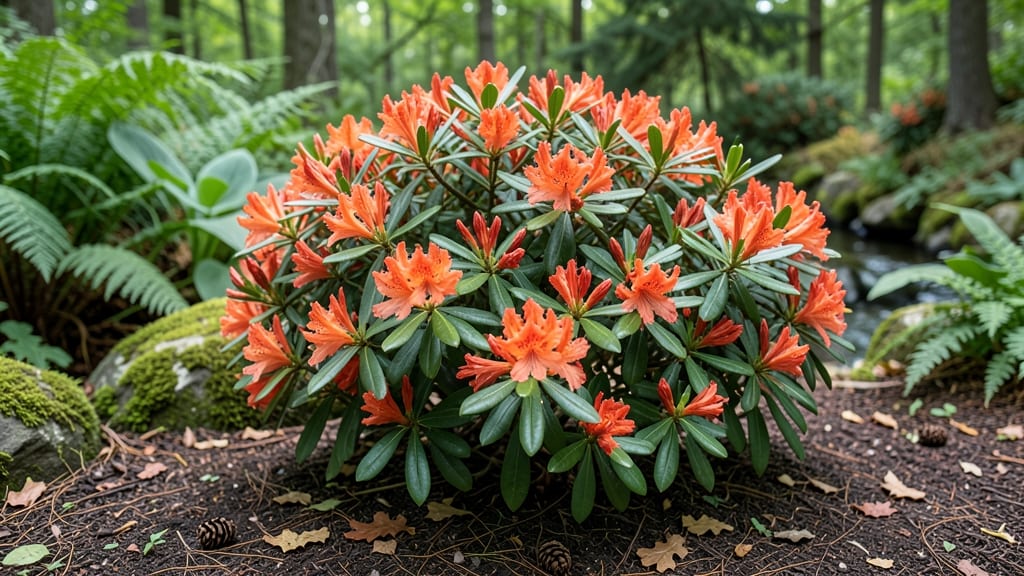
Flame azaleas burst into fiery color when temperatures flirt with 60°F—and timing varies wildly by variety and zone. 🌸 I’ve watched mine go from tight buds to full bloom in a single week, while neighbors’ plants lingered for months.
The secret isn’t just the calendar, but the heat trigger—and knowing which variety responds first. Early bloomers like ‘Girard’s’ often open by late March in Zone 7, while cooler-loving types like ‘Hershey’s Red’ wait until May.
Sunlight matters too: too much shade delays blooms, but harsh afternoon sun can scorch petals before they even open. Pruning after flowering keeps the plant focused on next year’s buds.
You’ll know you’re doing it right when branches bend under the weight of vibrant red-orange blooms that last 2-3 weeks. The fragrance? Like warm honey on a spring breeze.
But if your azalea sits stubbornly bare, we’ll troubleshoot why—soil pH, watering habits, or last year’s pruning mistakes could be the culprits. Works for containers, borders, or foundation plantings—just adjust expectations based on your zone. Let’s get those buds popping on schedule!
📚 In This Guide
- What you need
- Instructions
- Tips and common mistakes
- Wrapping up and next steps
What you need
- ● Flame azalea plants (1–3, depending on desired coverage): Choose Rhododendron calendulaceum varieties (e.g., 'George Taber,' 'Georgia Flame').
- ● Opt for 1–2 gallon containers (mature plants) or bare-root seedlings (for new plantings).
- ● Well-draining acidic soil (pH 4.5–6.0): Mix 50% peat moss or pine bark fines with 50% garden soil.
- ○ Add 1 part perlite or sand to improve drainage (optional but recommended).
- ● Organic mulch (2–3 inches): Pine straw, wood chips, or shredded bark (avoid cedar mulch—it’s too acidic).
- ● Slow-release fertilizer (10-10-10 or acidic rhododendron formula): Apply 2–3 tablespoons per plant in early spring.
- ● Garden trowel or spade (for transplanting).
- ● Gloves (to protect hands from thorns and soil).
- ● Watering can or hose with a gentle spray nozzle (azaleas hate soggy roots!).
- ● Pruning shears (sterilized with rubbing alcohol).
- ● pH testing kit (to monitor soil acidity).
- ● Measuring tape (to space plants 3–5 feet apart).
- ● Epsom salt (1 tablespoon per gallon of water, monthly for magnesium boost).
- ● Liquid iron chelate (to prevent yellowing leaves).
- ● Shade cloth (30–50%) for newly planted azaleas in hot climates.
- ● Decorative stakes or rings to support taller varieties.
How to time flame azalea blooms by variety and climate
Here’s how I predict bloom windows for flame azaleas—no guesswork, just science and experience.
🌱 Step 1: Identify Your Flame Azalea Variety’s Heat Trigger
Flame azaleas bloom in response to temperature shifts, not days. Most varieties need three weeks of consistent daytime highs between 60-70°F after winter dormancy to set buds. Check your plant’s tag—some, like Rhododendron ‘George Taber’, bloom earliest in late April to early May, while ‘Girard’s Pink’ waits until mid-to-late May in warmer zones.
Here’s the thing—if your area has erratic spring temps, your azalea might delay blooming. I’ve seen plants in coastal regions (like San Francisco) push buds weeks earlier than inland counterparts because coastal nights stay warmer. Watch for bud swell—that’s your first visual cue. Buds will plump up like tiny green marbles before turning pink or red.
☀️ Step 2: Track Soil and Air Temperature for Peak Bud Set
Soil temperature matters more than air temp. Use a soil thermometer buried 2 inches deep near the plant’s root zone. Buds form best when soil stays between 50-60°F during the day. If your thermometer reads below 45°F for more than 3 days, buds may abort—this is why late frosts ruin spring blooms.
I always set a reminder for March 1st to start monitoring. If your region has a history of late frosts, mulch with 3-4 inches of shredded bark (the same material you’d use for rhododendrons) to insulate roots. The goal is to protect the plant from temperature swings that can shock the system.
🌿 Step 3: Watch for Bud Break and Adjust Care
Bud break happens when buds double in size and split open. This is your signal to reduce fertilizer—azaleas bloom best when focused on flowering, not leaf growth. Switch to a low-nitrogen, high-phosphorus fertilizer (like 7-9-5) and apply it lightly every 4-6 weeks until blooms fade.
Here’s what I do next: I move potted flame azaleas to a slightly shadier spot (30% less direct sun) once buds form. Too much sun now can cause buds to drop. For in-ground plants, prune any dead or crossing branches with clean, sharp shears—this prevents energy drain from weak growth.
⏰ Step 4: Time Bloom Duration and Plan for Next Year
Flame azaleas typically bloom for 2-3 weeks, but variety matters. ‘George Taber’ lasts about 14 days, while ‘Girard’s Pink’ can stretch to 21 days. Write down your bloom dates—this helps predict next year’s cycle. If blooms appear sparse or late, it’s often a sign of over-fertilizing with nitrogen or poor drainage (azaleas hate soggy roots).
After blooms fade, deadhead spent flowers by snipping stems just above the first set of leaves. This encourages next year’s buds to form. I also add a 2-inch layer of pine needles (acidic, like the material used for azalea beds) to retain moisture and mimic their natural forest-floor habitat.
✂️ Step 5: Prune and Prepare for Next Season’s Heat Trigger
Prune right after blooming to shape the plant and remove any weak growth. Cut back no more than 1/3 of the plant—flame azaleas bloom on old wood, so heavy pruning now means fewer flowers next year. I always prune on a dry, cloudy day to reduce stress on the plant.
This is also the time to test your soil pH. Flame azaleas thrive in acidic soil (pH 4.5-5.5). If your soil is too alkaline, amend it with sulfur or peat moss (the same materials used for blueberry bushes). A pH test kit costs under $10 and saves you from guessing.
Tips & tricks for perfect flame azalea bloom timing
Mastering your flame azalea's bloom schedule takes patience—and knowing these insider tricks will help you anticipate those fiery bursts of color with confidence.
Variety-Specific Heat Tracking: While most flame azaleas need three weeks of 60-70°F daytime highs, coastal varieties like 'George Taber' often bloom weeks earlier due to milder nighttime temperatures. I've noticed that plants in San Francisco typically start budding by late April, while inland varieties wait until May. Keep a simple chart tracking your local nighttime lows—this is the real secret to predicting early blooms.
Soil Thermometer Precision: Don't rely on air temperature alone—soil thermometers are your best tool. I bury mine 2 inches deep near the root zone and check daily during critical bloom windows. The ideal range is 50-60°F during daylight hours, but if you see readings below 45°F for more than 3 days, your buds are at serious risk of aborting. This is why I always have mulch ready to apply as an emergency insulator during frost warnings.
Bud Development Visual Cues: The moment buds double in size and begin splitting open is your signal to adjust care. I've learned to look for that "green marble" stage—when buds are plump but still closed—and this is when I switch to my low-nitrogen fertilizer. Too many gardeners wait until buds are already opening, which is too late to prevent bud drop from excess nitrogen. The key is acting at that first visual sign of rapid growth.
Post-Bloom Soil Care: After your azalea finishes blooming, don't just cut and forget. I always add a 2-inch layer of pine needles to retain moisture and maintain that crucial acidic environment (pH 4.5-5.5). This mimics their natural forest floor habitat and gives your plant a head start on next year's buds. The pine needles also help prevent soil compaction, which is particularly important if you have heavy clay soil in your region.
Pro Tips for Flame Azalea Bloom Time
- Mastering your flame azalea's bloom schedule takes patience—and knowing these insider tricks will help you anticipate...
- Variety-Specific Heat Tracking: While most flame azaleas need three weeks of 60-70°F daytime highs, coastal varieties...
- Soil Thermometer Precision: Don't rely on air temperature alone—soil thermometers are your best tool. I bury mine 2 i...
Frequently asked questions
Got questions about flame azaleas and their dazzling bloom times?
You’re not alone! Here are answers to the most common queries—from timing to troubleshooting—so you can enjoy peak petal power.
When do flame azaleas typically bloom?
Flame azaleas usually bloom in late spring to early summer (May–June in most U.S. zones 6–9), triggered by warm temperatures after winter dormancy. Southern varieties may bloom earlier (March–April), while northern climates might see slightly delayed blooms. Pro tip: Monitor your local frost dates to avoid late-season freezes!
Can I control or speed up the bloom time?
While you can’t force blooms, you can optimize conditions for vibrant, timely flowers. Ensure well-draining soil, full sun to partial shade, and consistent moisture. Prune after blooming to encourage next year’s flowers. For container-grown azaleas, move them to a sheltered spot in fall/winter to protect from cold snaps.
Why aren’t my flame azaleas blooming?
No flowers? Check these common culprits:
- Too much shade: Flame azaleas need at least 4–6 hours of sunlight daily.
- Over-fertilizing: Too much nitrogen = leafy growth, fewer blooms. Use a low-nitrogen, acid-loving fertilizer (like 10-10-10) in early spring.
- Stress: Overwatering or drought can delay blooms. Aim for 1–1.5 inches of water weekly.
- Age: Young plants (under 3 years) may not bloom yet.
Are there flame azalea varieties with different bloom times?
Yes! Some varieties stand out for their timing:
Variety
Bloom Time
‘Knock Out’ Flame Azalea
Mid-spring to early summer (re-blooms lightly in fall)
‘Girard’s Flame’
Late spring (May–June)
‘Southern Indica’
Early spring (March–April, heat-tolerant)
Choose based on your climate and desired bloom window!
Will rain or humidity affect flame azalea blooms?
Rain won’t stop blooms, but heavy downpours can damage delicate petals or wash away pollen, shortening the display. Humidity is generally fine—just ensure good air circulation to prevent fungal issues (like powdery mildew). If blooms look droopy, water deeply at the base early in the day to let petals dry.
Wrapping up and next steps
Flame azaleas are nature’s fiery performers, with their bloom times triggered by warmth—whether it’s spring’s gentle thaw or summer’s lingering heat. 🌸 From the early bursts of ‘George L. Taber’ to the late-season splendor of ‘Knock Out’, each variety offers a unique show, rewarding patience with vibrant petals.
Whether you’re a seasoned gardener or a curious beginner, embrace the magic of heat-loving blooms—your garden will thank you!
Ready to bring this flame of color to your yard? Start by choosing your favorite variety and planning its perfect spot. Shop azalea plants today and let the petal magic begin!