
Blooming
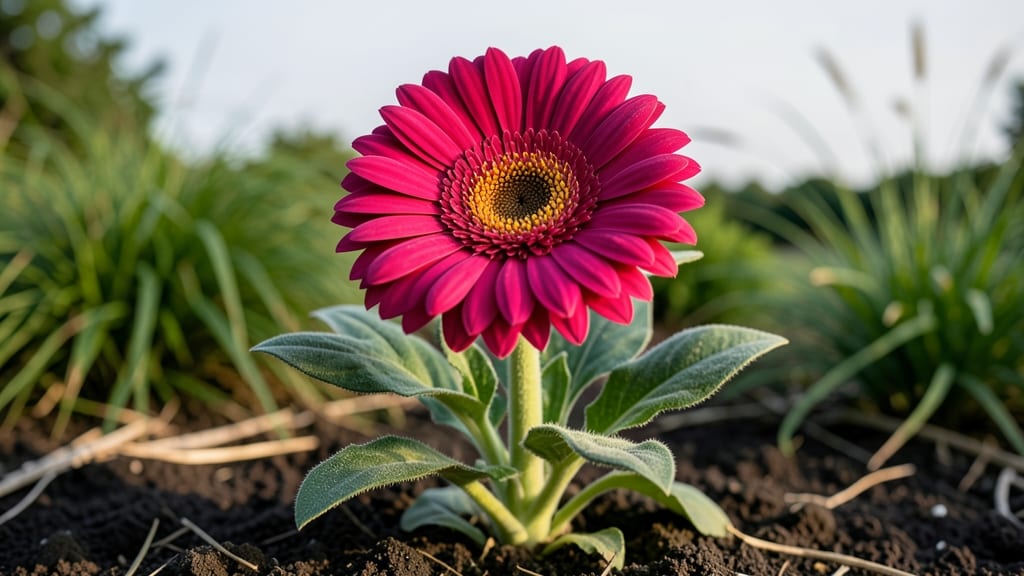
Gerbera daisies burst into color exactly 8-12 weeks after planting, but timing varies wildly by variety—some bloom in spring, others peak in fall. 🌸 I learned this the hard way when my early-planted 'Scarlet Beauty' burst in June while my 'Orange Crush' waited until September.
The secret lies in matching your variety to your climate zone and planting window.
Most gardeners plant gerberas in early spring after frost or late summer for fall blooms, but tropical varieties (like 'Red Hot') need consistent warmth to trigger flowering. In cooler zones (4-7), treat them as annuals—they won’t survive winter.
The key is consistent moisture and deadheading spent blooms to extend the show for weeks longer than you’d expect.
You’ll end up with a nonstop parade of color from late spring through early fall if you time it right. The blooms open in the morning and close by afternoon, revealing their velvety centers—like nature’s own clock. Just watch for slugs in damp climates; they adore tender new buds.
Works in full sun containers or garden beds, though southern gardeners should provide afternoon shade in peak summer. Here’s how to sync your planting with peak bloom windows by region—no more guessing games.
📚 In This Guide
- What you need
- Instructions
- Tips and common mistakes
- Wrapping up and next steps
What you need
- ● Gerbera daisy plants: 10–20 plants (depending on desired display size; choose varieties like ‘Red Torch,’ ‘Greenlake,’ or ‘Marmalade’ for color diversity).
- ● Prerequisite: Healthy, disease-free tubers or young plants (age 6–12 weeks for optimal blooming).
- ● Well-draining potting mix: 5–10 gallons (mix 50% peat moss, 30% perlite, and 20% compost for ideal aeration).
- ● Containers or garden bed: Containers: 6–8" diameter pots with drainage holes (1 plant per pot).
- ● Garden beds: Full sun exposure (6+ hours/day) and loose, fertile soil (pH 6.0–6.5).
- ● Fertilizer: Balanced 10-10-10 NPK fertilizer (1 tbsp per plant every 4–6 weeks during growing season).
- ○ Optional: Slow-release osmocote for convenience.
- ● Hand trowel (for transplanting).
- ● Watering can with a rose nozzle (to avoid disturbing soil).
- ● Pruning shears (sterilized with rubbing alcohol).
- ● Mulch (2–3" layer of pine bark or straw to retain moisture).
- ○ Grow lights (optional for indoor setups; 12–14 hours/day of full-spectrum LED).
- ● Bloom booster: Fish emulsion (1:10 dilution) or kelp extract (spray every 2 weeks post-planting).
- ● 🌡️ Temperature: Ideal range of 60–75°F (15–24°C) for planting; avoid frost (<32°F/0°C).
- ● ☀️ Light: Confirm full sun access (gerberas won’t bloom without it!).
- ● 💧 Watering routine: Keep soil consistently moist but not soggy (1–1.5" per week).
- ● 📅 Timing: Plant 6–8 weeks before your target bloom date (e.g., late winter for spring blooms).
How to time gerbera daisy blooms for season-long color
Here’s the system I’ve used to extend gerbera blooms for 12+ weeks—no matter your climate.
🌱 Step 1: Select Varieties by Bloom Window
Gerberas fall into three bloom categories: early, mid, and late-season. Early varieties like ‘Scarlet’ and ‘Orange’ typically bloom 8-10 weeks after transplanting, while late-season types such as ‘Pink’ or ‘White’ take 12-14 weeks. I stagger plantings every 2 weeks to create a continuous display—plant half the total in early spring, then the rest 2-3 weeks later for a seamless transition.
Check seed packets or plant tags for days to maturity—this tells you exactly when to expect buds. For example, if you transplant on April 15, a 10-week variety will start blooming around June 20. Adjust your schedule based on your last frost date: gerberas cannot tolerate freezing, so wait until soil reaches at least 60°F before planting outdoors.
☀️ Step 2: Optimize Light and Temperature for Faster Bud Formation
Gerberas need full sun (6+ hours daily) to trigger blooming, but they also demand consistent warmth. If your spring starts cool, use a grow light for 14-16 hours/day until nighttime temps stay above 55°F. I’ve seen gerberas bolt (send up tall, leggy stems) when nights dip below 50°F—this delays blooms by 2-3 weeks. Monitor your local 10-day forecast and adjust lighting or use row covers if needed.
Once buds form, maintain daytime temps between 65-75°F—this is the sweet spot for vibrant color development. If summer heat exceeds 85°F, provide afternoon shade to prevent buds from dropping. You’ll notice buds swell noticeably when conditions are ideal—they’ll go from tiny green bumps to ½-inch-wide discs in about 10 days.
💧 Step 3: Water Strategically to Prevent Bud Drop
Gerberas are thirsty but hate soggy roots. Water deeply 2-3 times per week (about 1 inch total) until the top 2 inches of soil feel dry. Overwatering causes buds to abort and fall off—this is a classic sign of stress. I use drip irrigation set to run for 15 minutes every other day to keep moisture consistent without wetting foliage, which reduces fungal risks.
Mulch with 2-3 inches of organic mulch (like shredded bark) to lock in moisture and regulate soil temp. Watch for wilting leaves in the late afternoon—this is your cue to water immediately. Gerberas also droop slightly at night due to heat stress, but they should perk up by mid-morning if hydration is correct.
✂️ Step 4: Deadhead and Fertilize for Extended Blooming
Remove spent blooms immediately by snipping the stem ½ inch below the flower head. This redirects the plant’s energy into new buds rather than seed production. I deadhead every 2-3 days during peak bloom to keep the plant producing. If you skip this, gerberas will shift focus to seed heads and stop flowering in 3-4 weeks instead of 10+.
Feed with a balanced 10-10-10 fertilizer every 4-6 weeks during the growing season. Switch to a low-phosphorus (5-10-5) formula once buds form to boost color intensity. You’ll see buds develop brighter hues and last longer when fed correctly. Avoid high-nitrogen fertilizers—they promote leafy growth at the expense of flowers.
⏰ Step 5: Plan for Seasonal Transitions
Gerberas are annuals in cold climates but can overwinter in USDA Zones 9-11 with protection. In cooler areas, take cuttings from healthy stems in early fall, root them in water for 2-3 weeks, then pot them up for next season. I’ve successfully overwintered gerberas by moving potted plants to a garage with supplemental grow lights during winter—this lets me restart blooms as early as late February.
For a year-round display, rotate varieties: plant early bloomers in spring, mid-season types in summer, and late bloomers in early fall. This ensures continuous color from June through October in most regions. Keep a bloom calendar to track when each variety peaks—it’s the secret to a flawless seasonal show.
Tips & tricks for perfect gerbera daisy bloom timing
Mastering gerbera bloom cycles takes patience, but these precision tips will help you avoid common pitfalls and extend your seasonal display.
Variety Selection Strategy: When staggering your 2-week plantings in Step 1, consider planting a few extra late-season varieties like ‘White’ or ‘Pink’—they often surprise with extended blooming beyond their 12-14 week window if given optimal care. I've seen some late varieties continue flowering into November with proper deadheading, giving you that extra 2-3 weeks of color. This works especially well in warmer climates where fall temperatures stay mild.
Lighting Solutions for Cool Springs: If you're using grow lights for 14-16 hours/day in Step 2, position them just above the foliage—not too close—to prevent heat stress that can cause buds to drop prematurely. I recommend LED grow lights with a full spectrum (red and blue wavelengths) for best results. Place them on a timer to automate the 14-16 hour cycle, which saves you from remembering to turn them on/off daily. The key is maintaining consistent light without overheating the plants.
Watering Precision: For the 2-3 inch soil moisture check in Step 3, use a screwdriver or clean pencil as a simple moisture gauge—insert it into the soil and check the resistance. If it slides in easily, your gerberas need water; if it meets resistance, wait another day. This method is more accurate than guessing by touch. Also, water in the early morning to allow foliage to dry completely before evening, which prevents fungal diseases that can stress the plants and cause bud drop.
Fertilizer Timing: When switching to the 5-10-5 low-phosphorus formula in Step 4, apply it at half-strength the first time you use it. Gerberas are sensitive to sudden changes in nutrient levels, and too much phosphorus too soon can actually reduce flower vibrancy. I've found that a gradual transition over two feedings (first at 50% strength, then full strength) produces the most intense colors without shocking the plants. Always water thoroughly before and after applying fertilizer to prevent root burn.
Pro Tips for Gerbera Daisy Bloom Time
- Mastering gerbera bloom cycles takes patience, but these precision tips will help you avoid common pitfalls and extend your seasonal display.
- I've seen some late varieties continue flowering into November with proper deadheading, giving you that extra 2-3 weeks of color.
- Lighting Solutions for Cool Springs: If you're using grow lights for 14-16 hours/day in Step 2, position them just above the foliage—not too close—to prevent heat stress that can cause buds to drop prematurely.
Frequently asked questions
Got questions about timing, care, or troubleshooting your gerbera daisies?
Here’s what gardeners ask most often—plus expert answers to keep those blooms popping!
When do gerbera daisies typically bloom after planting?
Most gerbera daisies bloom 6–10 weeks after planting from seeds (longer for cooler climates). Potted varieties often flower within 8–12 weeks with proper light (6+ hours of sun daily) and consistent watering. Pro tip: Use slow-release fertilizer at planting to speed up blooming!
How long do gerbera daisy flowers last?
Individual blooms last 7–10 days when cut, but potted gerberas produce continuous flowers for 3–6 months per season if deadheaded regularly. Troubleshoot: Wilting? Check for overwatering—gerberas hate soggy roots!
Why aren’t my gerbera daisies blooming?
Common culprits: too much shade (they need full sun!), over-fertilizing with nitrogen (use a low-N, high-P formula), or stress from temperature swings (ideal range: 55–75°F). Fix it: Move to sunnier spot, prune leggy stems, and reduce watering slightly.
Can gerbera daisies bloom year-round?
Outdoors, they’re seasonal (spring–fall in most climates). Indoor potted gerberas can bloom year-round with 12+ hours of artificial light (LED grow bulbs work!) and consistent care. Alternative: Try annual gerbera varieties like ‘Terry’ or ‘Orange Queen’ for longer color.
What’s the best way to extend gerbera bloom time?
Deadhead spent blooms weekly to encourage new flowers. Top tricks:
- Rotate pots every few days for even sun exposure.
- Water at soil level (avoid wetting leaves to prevent fungus).
- Fertilize every 4–6 weeks with a bloom booster (like 10-30-20).
For cut flowers, trim stems at an angle and change water daily to maximize vase life!
Wrapping up and next steps
Understanding your gerbera daisy’s bloom time is the key to unlocking vibrant, long-lasting color—whether you’re a seasoned gardener or just starting your floral journey. 🌸 From the early bloomers like ‘Penny’ to the bold, late-season stars such as ‘Mambo,’ each variety thrives with the right care and timing.
Now that you’re armed with a precision calendar and expert tips, it’s time to roll up your sleeves and watch your garden transform!
Ready to elevate your blooms? Start by selecting your favorite gerbera varieties and mark their ideal bloom windows on your calendar. Then, experiment with soil, sunlight, and watering techniques to fine-tune their performance. Happy gardening—your future bouquets are waiting! 🌻