
Blooming
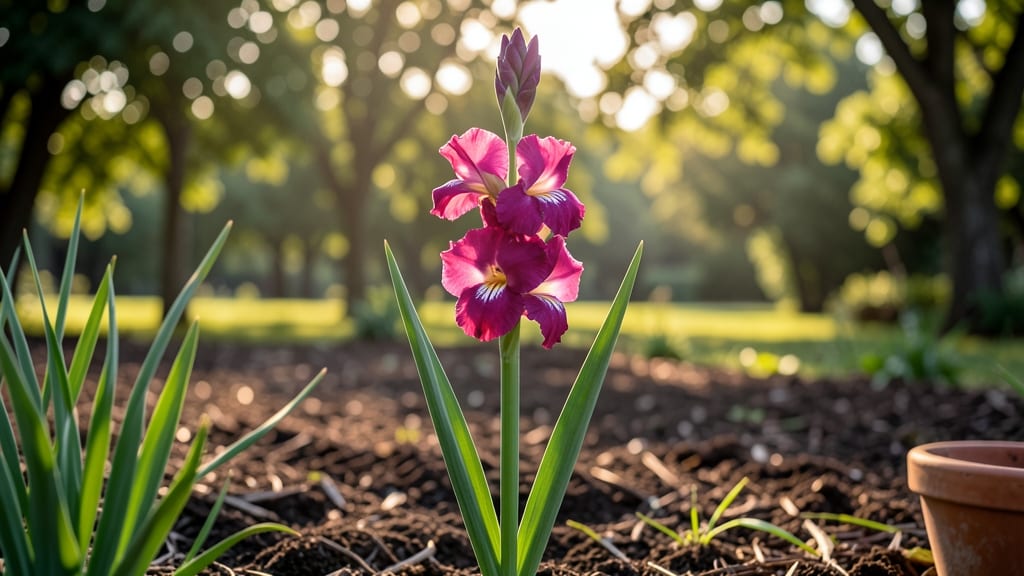
Gladiolus bloom time isn't just about summer—it's about precision planting that turns your garden into a parade of color from July through frost. 🌸 I learned the hard way that planting too early in warm zones or too late in cool ones means missing the show entirely, but once you nail the timing, you'll have cut flowers for weeks.
The secret lies in matching your variety to your zone. Early bloomers like 'White Friendship' light up in July in Zone 5, while late varieties such as 'Black Star' hold court until September in Zone 9.
Soil that stays consistently moist and full sun (6+ hours daily) are non-negotiable—skimp on either, and your spikes will stretch tall but weak. With the right care, you'll harvest 3-4 weeks of continuous blooms per planting.
Snip spent spikes to encourage new ones, and fertilize lightly every 3 weeks with balanced 10-10-10. The payoff? A garden that feels like a grand stage, with every variety taking its turn in the spotlight.
Works for cut flowers, borders, or containers—just adjust planting dates by 2-4 weeks earlier in warmer climates. Here's how to make it happen in your zone!
📚 In This Guide
- What you need
- Instructions
- Tips and common mistakes
- Wrapping up and next steps
What you need
- ● Gladiolus corms: 10–20 corms per variety (adjust based on desired bed size). Choose certified disease-free corms for best results.
- ● Well-draining soil: Loamy or sandy soil with a pH of 6.0–6.8 (test kits available at garden centers).
- ○ Optional: Amend heavy clay with compost or perlite (1 part per 3 parts soil) for better drainage.
- ● Fertilizer: Balanced 10-10-10 or 5-10-10 granular fertilizer (2–3 tbsp per corm at planting).
- ○ Optional: Slow-release osmocote (14-14-14) for extended nutrition.
- ● Garden tools: Trowel or hand fork for planting.
- ● Garden gloves (to protect hands from sharp corm edges).
- ● Watering can or hose with a gentle spray nozzle (avoid soaking the soil).
- ● Cold climates (Zones 3–7): Plant corms in spring after the last frost (when soil temps reach 55°F+).
- ○ Optional: Use black plastic mulch to warm soil faster.
- ● Warm climates (Zones 8–11): Plant in fall (6–8 weeks before first frost) or early spring (avoid summer heat).
- ● Critical: Provide afternoon shade in peak summer to prevent wilting.
- ● Sunlight: Full sun (6+ hours/day) is a must—gladiolus thrive in bright light!
- ● Soak corms in fungicide solution (like copper-based spray) for 10 minutes before planting to prevent rot.
- ● Mark planting spots with biodegradable flags to avoid disturbing corms later.
- ○ Optional: Use cactus soil mix for containers to improve drainage.
How to time gladiolus blooms perfectly in your zone
Here’s how I plan ahead for vibrant summer displays—adjusting for your climate and variety.
📅 Step 1: Identify Your Variety’s Natural Bloom Window
Gladiolus bloom times vary by type. Early varieties like ‘Picasso’ or ‘Green Star’ typically flower 60-70 days after planting, while late bloomers such as ‘Black Pearl’ or ‘White Wings’ take 75-90 days. Check your seed packet or plant label for specific days-to-bloom estimates.
This is the moment that matters: if you plant too early, blooms may open before your last frost and get damaged. If you plant too late, you’ll miss peak summer color. I always cross-reference the variety’s days-to-bloom with my local frost dates—aim to have corms in the ground 8-10 weeks before your first fall frost for a late-summer show.
☀️ Step 2: Adjust Planting Time by Climate Zone
In Zones 7-10, where winters are mild, plant corms in early spring (March-April) for summer blooms, or late summer (August-September) for fall color. In colder Zones 3-6, wait until after your last frost date and 2-3 weeks before peak summer temperatures—usually mid-to-late May.
Here’s the thing—gladiolus corms need consistent soil temperatures above 60°F to sprout. If you plant too early in cold zones, the corms may rot before emerging. I dig a small hole, place the corm with the pointed end up, and cover it—if the soil is still chilly, I wait another week.
🌱 Step 3: Plant at the Right Depth for Consistent Growth
Dig holes 4-6 inches deep (about 3 times the corm’s height) and space them 6 inches apart in rows 12-18 inches apart. Planting too shallow risks weak stems, while burying too deep delays blooming. I always use a trowel to loosen the soil first—gladiolus roots need room to spread.
After planting, water deeply to settle the soil around the corms. You’ll see first shoots emerge in 2-3 weeks if conditions are right. If your area gets hot, dry summers, mulch with 2-3 inches of straw to keep moisture consistent—this prevents stems from drying out before they bloom.
⏰ Step 4: Monitor Growth and Extend the Season
Gladiolus grow 2-3 inches per week once established. When the first flower bud forms, count back 4-6 weeks to estimate peak bloom time. To stretch the season, I plant successive batches every 2 weeks—this gives me blooms from mid-summer to early fall.
Watch for leggy stems (a sign of too little light) or yellowing leaves (overwatering). If stems flop, stake them early with 4-foot bamboo stakes tied loosely to avoid damaging the foliage. Deadhead spent blooms to encourage more flowers and prevent seed formation, which drains energy from the corms.
🌿 Step 5: Plan for Next Year’s Blooms
After the first frost, dig up the corms before the ground freezes. Brush off soil and store them in a cool, dry place (40-50°F) with good airflow until replanting next spring. I label each variety with a toothpick and store them in a mesh bag—this keeps them from drying out or rotting.
Here’s where it gets fun: if you replant the same corms year after year, they’ll produce larger, more abundant blooms. Just avoid overcrowding—divide clumps every 2-3 years to maintain vigor. With this timing strategy, you’ll have cut flowers all summer long—no guesswork, just precision blooms.
Tips & tricks for perfect gladiolus timing
Getting your gladiolus to bloom on schedule takes a little planning—but these tricks will help you nail it every time.
Variety-Specific Timing: That 60-70 day window for early varieties like 'Picasso' is your golden range. I keep a planting calendar where I mark the exact date to put corms in the ground based on my last frost date minus 8-10 weeks. For late bloomers like 'Black Pearl', I add an extra 15-20 days buffer—better safe than sorry when you're aiming for that fall show.
Soil Temperature Check: The 60°F soil temperature rule is non-negotiable. I test my soil with a simple thermometer before planting—if it's below 60°F, I wait. Pro tip: In colder zones, I use black plastic mulch to warm the soil faster. It's worth the small investment for consistent sprouting.
Season Extension Strategy: Planting successive batches every 2 weeks gives me blooms from July through October. I start with early varieties in May, then add mid-season types in June, and finish with late bloomers in July. This staggered approach means I always have fresh cut flowers for arrangements.
Post-Bloom Care: After the first frost, I don't rush to dig up corms. I wait until the ground is completely frozen, then carefully excavate them. The key is to brush off all soil and let them dry completely before storage—this prevents rot during winter. I've lost entire batches because of damp corms, so I always double-check this step.
Pro Tips for Gladiolus Bloom Time
- Getting your gladiolus to bloom on schedule takes a little planning—but these tricks will help you nail it every time.
- Variety-Specific Timing: That 60-70 day window for early varieties like 'Picasso' is your golden range. I keep a plan...
- Soil Temperature Check: The 60°F soil temperature rule is non-negotiable. I test my soil with a simple thermometer be...
Frequently asked questions
Got questions about when your gladiolus will bloom? You’re not alone!
Here are the most common ones—plus quick answers to help you plan like a pro.
When do gladiolus flowers typically bloom?
Gladiolus bloom 60–90 days after planting, depending on the variety and growing conditions. Early bloomers (like 'Green Star') may flower in 55–65 days, while late varieties (such as 'White Friendship') can take 75–90 days. Check seed packets for exact timelines!
Does climate zone affect gladiolus bloom time?
In cool climates (Zones 3–6), plant in early spring (after last frost) for summer blooms. In warm zones (7–10), opt for fall planting (3–4 months before first frost) to avoid heat stress. Adjust timing based on your USDA zone—earlier in cold areas, later in hot ones.
Can I make gladiolus bloom earlier or later?
Yes! To speed up blooms, use soaker hoses for consistent moisture and fertilize with high-phosphorus blooming mix (like 5-10-10). For delayed blooms, plant in partial shade or cooler microclimates. Avoid overcrowding—give bulbs 6+ inches of space for airflow and energy.
Why aren’t my gladiolus blooming?
Common culprits include:
- Insufficient sunlight: Gladiolus need 6+ hours of direct sun daily.
- Poor soil: Amend with compost and ensure well-draining soil (they hate soggy roots!).
- Over-fertilizing with nitrogen: Too much "green" growth = fewer blooms. Use balanced or phosphorus-heavy fertilizer instead.
- Dormant bulbs: If planted too late, they may not bloom until next season.
Pro tip: Cut back on watering after spikes emerge to redirect energy to flowers!
Are there gladiolus varieties that bloom year-round?
No—gladiolus are seasonal perennials (or treated as annuals in cold zones). However, you can stagger plantings every 2–3 weeks for extended blooms (spring through fall). For winter interest, pair them with hardy alternatives like Helleborus (Lenten rose) or Winter Aconite.
Wrapping up and next steps
Understanding your gladiolus bloom time is the key to unlocking vibrant, healthy flowers—whether you're a seasoned gardener or just starting out! 🌸 From early spring bloomers like 'Green Star' to late-summer showstoppers such as 'Black Star,' each variety thrives with the right care and timing.
Now that you’re armed with precision planting tips and climate zone insights, it’s time to roll up your sleeves and create your own floral masterpiece.
Your next step? Mark your calendar, grab those corms, and watch your garden transform with stunning gladiolus blooms that’ll turn heads in your neighborhood! 🌿✨