
Blooming
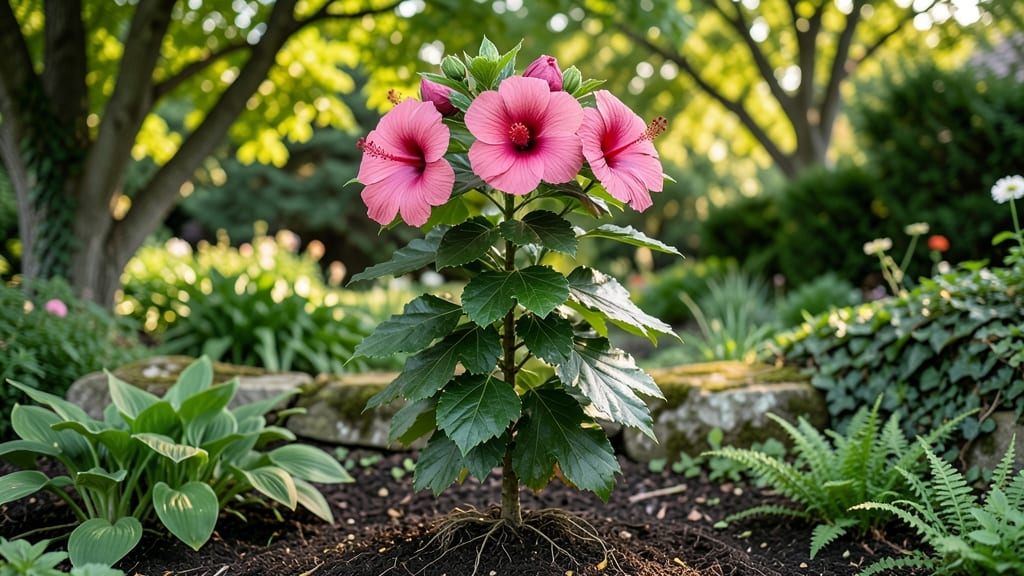
The hardy hibiscus bloom time spans from early summer through frost, offering gardeners months of bold color—but timing your care right is the key to unlocking its full potential.
If you love vibrant blooms but hate the short-lived beauty of tropical hibiscus, hardy hibiscus varieties are your answer—delivering stunning flowers from early summer through frost. But when exactly do they bloom? The answer depends on the variety, and timing it right can extend your garden’s color show for months.
Most hardy hibiscus varieties kick off their show in July, with peak blooms lasting until September or even October in warmer zones. However, cooler climates like USDA Zone 6a may see a shorter window, starting later in June and tapering off by early September.
In this guide, I’ll break down the exact bloom periods by variety, share tips to push those flowers later into fall, and troubleshoot why yours might be lagging behind schedule.
Hardy hibiscus bloom time by variety: exact months for peak flowering
If you're planning your garden's seasonal color palette, knowing the exact bloom times for your hardy hibiscus varieties is essential. Unlike tropical hibiscus, these cold-hardy shrubs thrive in USDA zones 5-9 and offer months-long flowering with proper care.
The timing varies by variety, so let's break down when each type reaches its peak bloom period and how to adjust for your region.
For gardeners in zones 5-6, blooms often start later due to cooler springs, while zones 7-9 enjoy earlier and longer displays.
The key varieties—Hibiscus moscheutos, H. syriacus, and H. coccineus—each have distinct bloom windows that can be fine-tuned with simple care adjustments like pruning and fertilization.
Hibiscus moscheutos (swamp rose mallow) is the early-season star, kicking off the show in June-July and lasting through August-September. Its large, dinner-plate blooms make it a showstopper in cottage gardens. Meanwhile, Hibiscus syriacus (rose of Sharon) typically blooms July-August but can be coaxed into a second flush with late-season pruning.
Here’s a detailed comparison of bloom times across the most popular hardy hibiscus varieties, including regional adjustments:
The Hibiscus moscheutos variety is your best bet for early-season color, often blooming as early as late June in warmer zones. Its moisture-loving nature makes it ideal for rain gardens or near ponds.
If you're in zone 5, expect blooms to start 2-3 weeks later than in zone 9 due to cooler temperatures.
For extended blooming, focus on Hibiscus syriacus, which naturally produces a second flush of flowers in late summer if you prune it back after the first bloom cycle.
This variety is also drought-tolerant, making it perfect for xeriscaping or low-maintenance gardens. In zone 9, some varieties like ‘Diana’ can bloom until November with proper care.
If you're a container gardener, compact varieties like Hibiscus ‘Annabel’ are excellent choices. They bloom from July to September and thrive in 5-gallon pots with consistent moisture. Their earlier start compared to larger shrubs means you can enjoy color earlier in the season even in small spaces.
To maximize bloom time, pay attention to your local last frost date. Planting after frost ensures healthy root establishment before the growing season. In zone 5, aim for mid-May planting, while zone 9 gardeners can plant as early as March for a head start on blooms.
For late-season color, prioritize varieties like Hibiscus ‘Diana’, which often blooms until October in warmer climates. Pair it with Hibiscus moscheutos for a sequential bloom display from June through November. With the right variety mix, your garden can stay vibrant well into fall.
🌸
How to extend hardy hibiscus bloom time with pruning and care
Hardy hibiscus plants reward gardeners with bold, long-lasting blooms from summer through frost—but only if you follow the right care routine. The secret to extended bloom time lies in strategic pruning, nutrient management, and seasonal adjustments.
Unlike tropical hibiscus, hardy varieties thrive with minimal fuss once you master these techniques. Let’s dive into the proven methods that’ll keep your hibiscus flowering until the first hard frost.
First, deadheading spent blooms is your #1 tool for prolonging flowers. When you remove faded blooms regularly, you signal the plant to redirect energy into new buds instead of seed production. This simple step can double your bloom count over a season.
Pair this with seasonal pruning, and you’ll transform a single burst of color into a continuous garden showstopper. Let’s break down the exact steps to maximize your hibiscus’s potential.
🌿 Step-by-Step Guide to Extend Blooms
- 🌸 Deadhead daily during peak bloom (June–September) by pinching off spent flowers with clean pruners. This prevents seed formation and encourages new buds.
- ✂️ Prune in early spring (March–April) to remove dead wood and shape the plant. Cut back 1/3 of old growth to stimulate fresh, flower-rich branches.
- 🌱 Fertilize in May and July with a balanced 10-10-10 formula. Avoid late-season feeding, as it can reduce winter hardiness.
- 💧 Water deeply 2–3 times per week during dry spells. Mulch around the base to retain moisture and protect roots.
- 🌡️ Protect from early frost in USDA zones 5–7 by wrapping young plants with burlap or using a lightweight frost cloth.
- 🌿 Prune lightly in fall (October) to remove only diseased branches. Avoid heavy cuts, as new growth won’t harden off before winter.
Don’t overlook the power of soil health—hibiscus thrives in well-draining, slightly acidic soil (pH 6.0–6.5). Amend clay soil with compost or peat moss to improve drainage, and avoid soggy conditions, which can stress roots and reduce flowering.
A slow-release fertilizer in early spring gives your plant the nutrients it needs to bloom abundantly without risking overgrowth.
For gardeners in cooler climates (USDA zones 5–6), winter protection is key to next year’s blooms. After the first frost, mulch heavily (4–6 inches) with straw or shredded leaves to insulate roots.
In extreme cold, wrap the base with burlap or use a mini greenhouse cover to shield tender stems. This simple step ensures your hibiscus rebounds vigorously in spring with even more flowers.
One common mistake is pruning too late in the season. Avoid heavy cuts after mid-September, as new growth won’t mature before frost. Instead, focus on light maintenance pruning to remove only dead or diseased branches.
This keeps your hibiscus healthy and ready to burst into color as soon as temperatures rise in spring.
With these techniques, you’ll enjoy hibiscus blooms from June until frost—or even later in mild climates. The key is consistency: deadhead, prune, fertilize, and protect. Your garden will thank you with months of vibrant, low-maintenance color that rivals any tropical variety. Happy gardening! 🌷