
How To
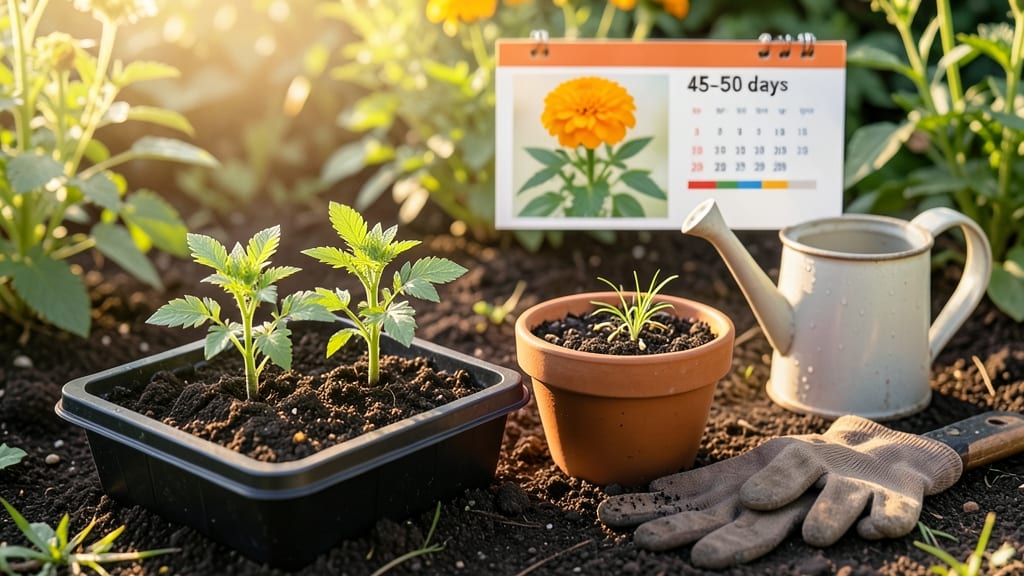
Marigolds bloom from seed in 4 to 12 weeks, depending on the variety and growing conditions—some burst into color in just 6 weeks, while others take twice as long.
Watching those first bright 🌼 buds unfurl is magical, but the wait can feel endless if you’re not sure what to expect. French marigolds, for example, often flower faster than their African cousins, but even the quickest varieties need patience and the right care to thrive.
Sunlight, soil quality, and even watering habits play a huge role in speeding up—or slowing down—that bloom time. Too little light or overwatering can stall growth, while proper spacing and balanced fertilizer keep plants on track for vibrant flowers.
Below, I’ll break down the exact timeline by variety, share 5 proven tricks to encourage faster blooms, and troubleshoot common mistakes that delay those cheerful faces in your garden.
Marigold bloom timeline: 4-12 weeks by variety (French vs. African vs. signet)
Marigolds are one of the fastest and most reliable flowers to bloom from seed, but their timeline varies dramatically by variety. French marigolds often surprise gardeners with their speed, while African marigolds take longer to mature. Understanding these differences helps you plan your garden for maximum color impact.
The key factors influencing bloom time include sunlight exposure, soil temperature, and variety selection—all of which I’ll break down in this timeline.
Most marigold seeds germinate within 5-10 days when planted in warm soil (at least 70°F). However, the real variation comes after germination. French marigolds typically bloom in 4-6 weeks from seed, making them ideal for quick color.
In contrast, African marigolds can take 8-12 weeks or longer, especially if grown from seed rather than transplants. Signet marigolds fall somewhere in between, usually blooming in 6-8 weeks under ideal conditions.
Here’s the critical comparison you need to plan your garden effectively:
| Variety | Germination Time | Bloom Time from Seed | Height at Maturity | Sunlight Needs | Best For |
|---|---|---|---|---|---|
| French Marigold | 5-10 days | 4-6 weeks | 1-2 ft | Full sun (6+ hours) | Borders, containers, early blooms |
| African Marigold | 5-10 days | 8-12 weeks | 2-3 ft | Full sun (6+ hours) | Cut flowers, late-season color |
| Signet Marigold | 5-10 days | 6-8 weeks | 1-1.5 ft | Full sun (6+ hours) | Edging, small gardens, containers |
If you’re planting marigolds for early summer color, French marigolds are your best bet—they’ll reward you with blooms in just 4-6 weeks from seed.
For a longer-lasting display, mix in African marigolds, which store energy in their roots and produce bold, dinner-plate-sized blooms later in the season. Signet marigolds strike a balance, offering compact size and moderate bloom times, perfect for containers or garden borders.
One of the biggest factors accelerating or delaying blooms is temperature. Marigolds thrive in warm soil (at least 60°F) and consistent daytime temps above 70°F. If you plant too early in cool soil, germination slows, and blooms may be delayed by 2-4 weeks.
To avoid this, wait until after your last frost date and consider using black plastic mulch to warm the soil faster.
Another game-changer is sunlight exposure. While all marigolds love full sun, African marigolds in partial shade may take 2-3 weeks longer to bloom.
If your garden gets less than 6 hours of sun daily, opt for French marigolds, which are more adaptable to light shade while still delivering quick blooms. For maximum speed, place your marigolds in the sunniest spot in your garden—this can shave 1-2 weeks off their bloom time.
Watering plays a subtle but critical role in bloom timing. Overwatering can lead to leggy, weak stems that delay flowering, while underwatering stresses plants and slows growth. Aim for deep watering 2-3 times per week once seedlings emerge, focusing on the soil around the roots rather than wetting the foliage.
This encourages strong root development, which translates to faster and more abundant blooms.
For gardeners eager to see flowers sooner, transplants are your shortcut. While seeds take 4-12 weeks to bloom, buying 6-inch transplants can cut that time in half. For example, an African marigold transplant might bloom in just 6-8 weeks instead of 8-1
How to speed up marigold blooming: 5 proven techniques for faster flowers
If you're eager to see those cheerful marigold blooms brighten your garden sooner, you're not alone! While French marigolds typically bloom in 4-6 weeks from seed and African varieties take 8-12 weeks, strategic care can shave off critical days.
The secret isn't magic—it's science-backed techniques that optimize growth conditions. Let's explore how to turn those tiny seeds into vibrant flowers faster than ever.
First, timing is everything. Planting marigold seeds at the right moment ensures they receive maximum sunlight and warmth during their critical growth phases. For most climates, sowing in late spring (after the last frost) gives seedlings the 6-8 hours of sunlight they crave daily.
If you're in a cooler zone, consider starting seeds indoors 4-6 weeks before transplanting outdoors. This head start can cut 2-3 weeks off your bloom timeline.
5 Techniques to Speed Up Marigold Blooming
- 1. Optimize Soil Conditions: Amend soil with compost and a balanced fertilizer (5-10-10) to provide essential nutrients. Marigolds thrive in well-draining soil with a pH of 6.0-7.0. A quick soil test can reveal deficiencies—fixing them early accelerates growth.
- 2. Master Watering Strategies: Water deeply once every 3-5 days (morning is best) to encourage strong root development. Avoid soggy soil, which can stunt growth. Mulching with straw or grass clippings retains moisture and keeps roots cool.
- 3. Pinch for Bushier Growth: When seedlings have 4-6 true leaves, pinch off the top set to encourage branching. This creates a fuller plant with more buds, leading to earlier and abundant blooms. Repeat pinching every 2-3 weeks for continuous flowering.
- 4. Use Companion Planting: Pair marigolds with basil or tomatoes to repel pests like nematodes and aphids. Healthy neighbors reduce stress on your marigolds, allowing them to focus energy on flower production. Avoid planting near potatoes, which compete for nutrients.
- 5. Provide Full Sun Exposure: Marigolds are sun worshippers—they need 6+ hours of direct sunlight daily. If your garden lacks full sun, consider growing them in containers near a south-facing window or under grow lights for 12-14 hours/day indoors.
Don't overlook the power of regular deadheading. Removing spent blooms encourages the plant to produce new flowers continuously, extending the blooming season by 3-4 weeks.
Use clean pruners to snip just above a leaf node, and your marigolds will reward you with non-stop color from summer through fall.
For an extra boost, try a warm soil trick: Cover seed beds with black plastic mulch for 1-2 weeks before planting. This raises soil temperature by 5-10°F, speeding up germination and early growth. Just remove the mulch once seeds sprout to prevent overheating.
With these techniques, you can transform 6-week bloomers into 4-week wonders and 12-week varieties into 8-week showstoppers. The key is consistency—provide the right conditions, and your marigolds will race toward those bright, cheerful blooms you love. Happy gardening! 🌼