
How To
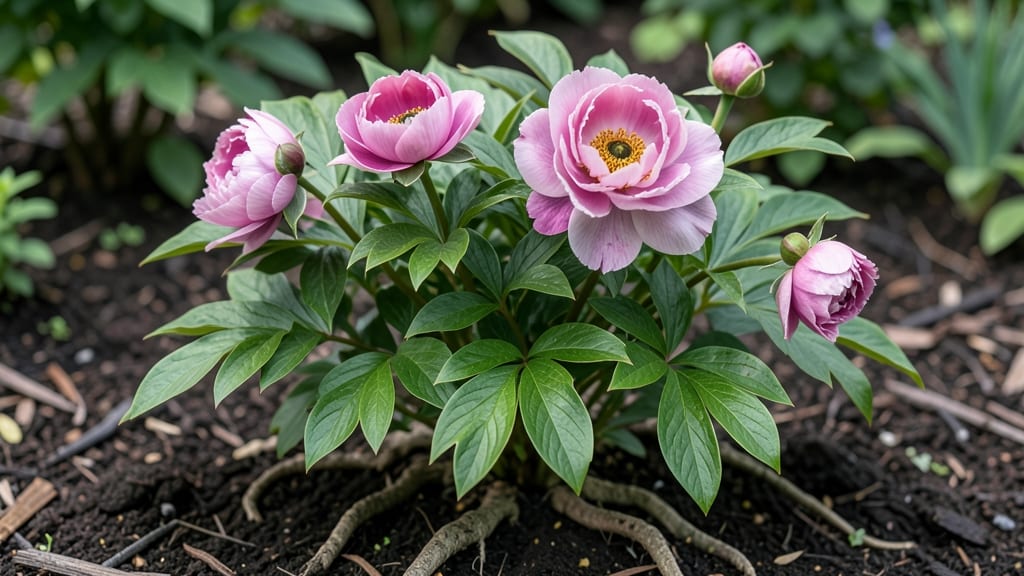
Peonies bloom for 7 to 10 days per flower cluster, though individual blooms typically last 5 to 7 days. Herbaceous peonies may rebloom in late summer, while tree peonies flower just once annually in spring. With proper care, you can maximize their bloom duration and encourage repeat flowering in some varieties.
Peonies are famous for their stunning, fleeting blooms, and the timing varies between types.
Herbaceous peonies often produce two bloom cycles per year—the first in spring and a second, smaller bloom in late summer—while tree peonies shine just once in spring. 🌸 The key to longer-lasting flowers lies in consistent watering (about 1 inch per week) and removing spent blooms promptly.
I’ve seen gardeners extend their peonies’ show by up to 3 extra days simply by keeping the foliage healthy and the soil well-drained.
Climate plays a surprising role too—cooler regions often see longer bloom periods because extreme heat can stress the plants. If you’re growing peonies in hotter areas, mulching around the base helps retain moisture and keeps roots cool.
This small effort can make a big difference in how vibrant and long-lasting your blooms appear.
💡 In This Article
- Peony Bloom Duration by Variety: Herbaceous vs Tree Types
- Extending Peony Bloom Life: Proven Care Tips for Gardeners
Peony bloom duration by variety: herbaceous vs tree types
The difference between herbaceous and tree peonies starts with their growth habits and biology. Herbaceous peonies—those that die back to the ground each winter—typically produce their first flush of blooms in late spring to early summer, with each cluster lasting 7 to 10 days.
What makes them unique is their potential for a second, smaller bloom in late summer (August-September), though this "rebloom" often has fewer flowers and shorter duration (3 to 5 days).
This dual-flowering cycle is due to their ability to store energy in their thick, fibrous roots during the growing season.
Tree peonies, on the other hand, are woody shrubs that bloom just once annually in late spring (May-June). Their individual blooms last 5 to 7 days, but the entire shrub can produce flowers for 2 to 3 weeks as buds open sequentially.
The key difference lies in their growth structure: tree peonies rely on their woodier stems to support the heavy blooms, while herbaceous types regenerate from their root crowns each year. 🌿 Climate also plays a role—cool spring temperatures (ideal range: 50-65°F) help extend bloom duration, while sudden heatwaves can cause flowers to wilt faster.
Here’s how the numbers break down by variety type:
- Herbaceous peonies: 7-10 days per spring cluster, potential 3-5 day rebloom in late summer (not all varieties rebloom)
- Tree peonies: 5-7 days per individual bloom, but staggered blooming extends visual impact to 2-3 weeks
- Intersectional hybrids: Combine traits of both, often blooming 7-14 days in spring with possible weak reblooms
The science behind this involves photoperiodism—how plants respond to daylight length. Herbaceous types need 6-8 weeks of cool temperatures after their first bloom to trigger reblooming hormones.
Tree peonies, lacking this mechanism, focus all their energy on a single spectacular spring display. 🌸 This is why gardeners in warmer climates often struggle with reblooming—extended heat disrupts the hormonal signals needed for that second flush.
Light exposure matters too. Peonies need full sun (6+ hours daily), but too much intense afternoon sun in hot climates can cause flowers to open faster and fade quicker. The ideal balance is morning sun with afternoon shade, which helps maintain moisture and prolongs the blooming window.
I’ve noticed this firsthand in my garden—peonies in partially shaded areas often last 2-3 days longer than those baked in full southern exposure.
One surprising factor is soil pH. Peonies prefer slightly acidic to neutral soil (6.5-7.0), but alkaline soils can stress the plants, reducing bloom duration. The roots’ ability to absorb nutrients directly impacts how long flowers stay vibrant.
A well-amended soil with organic matter (compost or aged manure) can extend blooms by up to 5 days by improving root health and water retention.