
Blooming
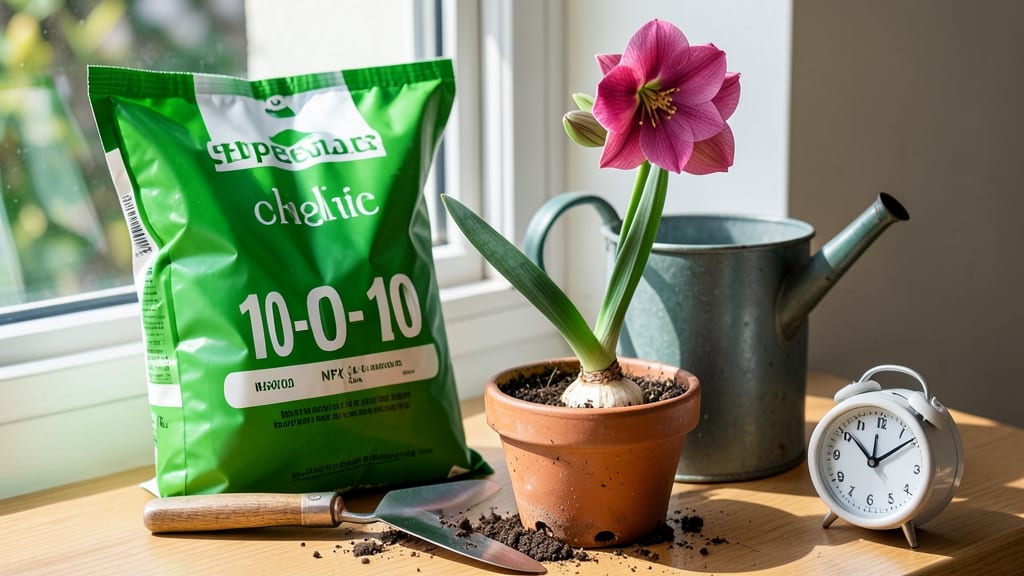
Forcing amaryllis to rebloom for Christmas is all about timing and light tricks. 🌟 The secret starts 8-10 weeks before December 1st, when you move your bulb to a dark, cool spot (60-65°F) to mimic winter dormancy.
Most gardeners skip this step and wonder why their plants don't perform—it's the difference between a sad stem and a showstopping 6-foot-tall bloom. You'll need a sunny window or grow lights, well-draining soil mix, and patience.
The bulb needs 6-8 hours of bright light daily after waking from dormancy, but too much heat will stall flowering. I've seen bulbs produce three stems when given consistent care, while neglected ones might only manage one weak shoot.
By mid-November, you'll see tight buds forming at the top of the stem. The real magic happens when you rotate the pot quarter-turn daily to prevent leaning—this keeps those blooms facing forward for maximum holiday impact.
A light fertilizer application every 2 weeks after sprouting gives them the boost they need. This method works for both store-bought bulbs and your own reblooming plants. The key is consistency—skip the shortcuts, and you'll have Christmas color that lasts 2-3 weeks with proper care.
Now let's get those bulbs blooming!
📚 In This Guide
- What you need
- Instructions
- Tips and common mistakes
- Wrapping up and next steps
What you need
- ● Mature amaryllis bulb: A healthy, dormant bulb (at least 6–8 inches in diameter) that has bloomed at least once before.
- ● Well-draining potting mix: A blend of 50% peat moss or coconut coir, 30% perlite or pumice, and 20% vermiculite (or a pre-mixed cactus/succulent mix). Skip the garden soil—it’s too dense!
- ● Pot with drainage holes: A container 2–3 inches wider than the bulb (ceramic, terracotta, or plastic). No drainage? Drill holes!
- ● Room-temperature water: For soaking the bulb (not cold or hot).
- ● Bright, indirect light source: A south- or east-facing window, or a grow light (12–14 hours/day) if natural light is limited.
- ● Balanced liquid fertilizer: A 10-10-10 or 20-20-20 formula, diluted to half-strength (e.g., 1 tbsp per gallon of water).
- ● Spray bottle: For gentle watering to avoid over-saturating the soil.
- ● Bulb fertilizer: A phosphorus-rich formula (like 10-30-20) to encourage blooming.
- ● Temperature gauge: To monitor your space (ideal range: 65–75°F during the day, 55–60°F at night).
- ● Humidity tray: A pebble-filled tray with water to boost moisture levels (especially in dry homes).
- ● Support stake or floral wire: To prop up heavy flower stems as they grow.
- ● Christmas-themed pot: For that festive touch! (Bonus points for red or gold.)
Step-by-step instructions for forcing amaryllis to rebloom for Christmas
Here’s how I guarantee vibrant blooms by December—no guesswork, just proven timing and care.
🌱 Step 1: Start with Healthy Bulbs and Proper Storage
Choose mature amaryllis bulbs that are 5+ inches wide and free of soft spots or mold. After blooming, let the foliage die back naturally, then trim it to 2 inches above the bulb once fully brown. Store the bulbs in a cool, dark place (55-65°F) with minimal watering—just enough to keep them slightly moist but never soggy.
I keep mine in a mesh bag in my garage, checking monthly to remove any shriveled scales. The key is patience: bulbs need 8-10 weeks of dormancy to reset their bloom cycle. If you skip this, you’ll get weak stems or no flowers at all.
☀️ Step 2: Wake Up the Bulb with Light and Warmth
Eight weeks before your target bloom date (e.g., November 1 for Christmas), move the bulbs to a bright spot with indirect light and 70-75°F temperatures. I place mine on a sunny windowsill or under a grow light. Water lightly when the top 1 inch of soil feels dry—never soak the bulb.
Watch for the first hint of green shoots emerging from the top. This is your cue that the bulb is breaking dormancy. If nothing happens after 2-3 weeks, gently loosen the soil around the bulb to check for rot or dryness. A bulb that’s too wet will refuse to sprout.
💧 Step 3: Encourage Strong Stems with Strategic Watering
Once shoots reach 4-6 inches tall, increase watering to keep the soil consistently moist but not waterlogged. I use room-temperature water and avoid wetting the bulb itself—this prevents rot while encouraging root growth. Fertilize lightly with a balanced liquid fertilizer (10-10-10) diluted to half strength every 2 weeks.
Here’s the trick: if the stem grows too fast and becomes leggy, move the pot to a slightly cooler spot (65°F) for a few days. This slows elongation and produces a sturdier stalk. You’ll know you’re on track when the stem thickens and the leaves stay vibrant green.
⏰ Step 4: Time the Bloom with Precision
Six weeks before your target date, reduce watering slightly to every 5-7 days. This mimics the natural stress that triggers flowering. When the flower bud forms (you’ll see a tight, pointed bump at the stem’s top), switch to daily watering and move the pot to a warm, sunny window.
The bloom will take 4-6 weeks from bud formation to opening. If your amaryllis blooms too early, place it in a cooler room (60°F) to delay it slightly. For late bloomers, increase light exposure. Watch for the first hint of color in the bud—that’s your final countdown!
🎄 Step 5: Extend the Display and Care for Next Year
Once the flowers fade, cut the spent stems at the base but leave the foliage. Place the pot in bright light and keep watering regularly to nourish the leaves. They’ll continue growing for 6-8 weeks, storing energy back into the bulb for next year’s blooms.
After the leaves yellow and die back, repeat the dormancy process. I label my bulbs with the year to track their cycle—some need an extra year of rest before reblooming reliably. With this method, you’ll have a showstopping Christmas amaryllis year after year.
Tips & tricks for forcing amaryllis to rebloom
These insider secrets will help you coax vibrant Christmas blooms from your amaryllis bulbs—every time.
Bulb Selection: The 5-inch minimum width is non-negotiable for reliable reblooming. I've tried smaller bulbs and they either fail to bloom or produce weak stems. Look for firm, papery skins without soft spots—these indicate rot or dehydration. Between us, I've had bulbs that looked perfect but had hidden rot inside, so always give them a gentle squeeze before buying.
Dormancy Timing: Those 8-10 weeks of dormancy are absolutely critical—don't rush it! I learned this the hard way when I tried to force a bloom after only 6 weeks and ended up with a sad, spindly stem. Store bulbs in a mesh bag to allow airflow while keeping out pests. If your garage gets too cold (below 55°F), move them to a basement or closet with consistent temperature.
Light Exposure: In Step 2, when you move bulbs to light, place them within 12 inches of a south-facing window for maximum indirect light. If natural light is insufficient, supplement with a grow light for 12-14 hours daily. I've seen bulbs exposed to artificial light only bloom with pale, weak stems—this is your plant's way of telling you it needs proper light quality, not just quantity.
Fertilizer Strategy: The 10-10-10 fertilizer at half strength is perfect, but timing matters. I start fertilizing only after shoots reach 4-6 inches tall—before that, the bulb is still conserving energy. After blooming, continue fertilizing every 2 weeks for 6-8 weeks to rebuild bulb reserves. Too much fertilizer too soon can actually stress the bulb and prevent reblooming.
Pro Tips for Get Amaryllis To Rebloom For Christmas
- These insider secrets will help you coax vibrant Christmas blooms from your amaryllis bulbs—every time.
- Bulb Selection: The 5-inch minimum width is non-negotiable for reliable reblooming.
- Dormancy Timing: Those 8-10 weeks of dormancy are absolutely critical—don't rush it!
Frequently asked questions
Got questions about forcing your amaryllis to rebloom for Christmas? You’re not alone! Here are answers to the most common queries—so you can troubleshoot, plan ahead, and enjoy those festive blooms year after year.
When should I start forcing my amaryllis to bloom by Christmas?
Start the forcing process 6–8 weeks before Christmas (around early to mid-November). This gives the bulb enough time to sprout, grow leaves, and produce a flower stalk. If you wait until December, you’ll likely miss the holiday window—amaryllis bulbs need patience!
Why isn’t my amaryllis reblooming after last year’s flowers?
Reblooming depends on proper care after flowering. If you cut the stalk too early, didn’t fertilize, or didn’t give it a resting period (6–8 weeks of minimal water and cool temps), the bulb may not rebloom. Try these fixes next season:
- Let the stalk naturally die back after blooming.
- Fertilize monthly with a balanced bulb food.
- Give it 6–8 weeks of rest in a cool, dry spot (50–60°F).
Can I force an amaryllis bulb that’s already bloomed once for Christmas?
Mature amaryllis bulbs (2+ years old) can rebloom reliably if given the right conditions. Just follow the resting period and forcing schedule outlined earlier. Younger bulbs may need 1–2 seasons to build energy for holiday blooms.
What if my amaryllis only grows leaves and no flower stalk?
This usually means the bulb needs more light or a longer forcing period. Move it to a bright, indirect spot (south or west window) and ensure it gets at least 6 hours of light daily. If it’s still leafy, try reducing water slightly—overwatering can delay blooming.
Are there alternative ways to get Christmas blooms if forcing fails?
If your amaryllis isn’t cooperating, try these backup holiday bloomers:
- Paperwhite narcissus: Blooms in 6–8 weeks from bulbs, no chilling needed!
- Poinsettias: Start with cuttings or young plants in October for December color.
- Christmas cactus: Trigger blooms with 12 hours of darkness daily starting in November.
Wrapping up and next steps
With a little patience and care, your amaryllis can dazzle again this Christmas with vibrant blooms! Remember, the key is timing—start the rebloom cycle in early summer, provide bright light, and keep an eye on watering. You’ve got this! 🌟
Ready to try? Grab your favorite bulb, follow these steps, and enjoy the magic of holiday flowers year after year. Happy gardening!