
Blooming
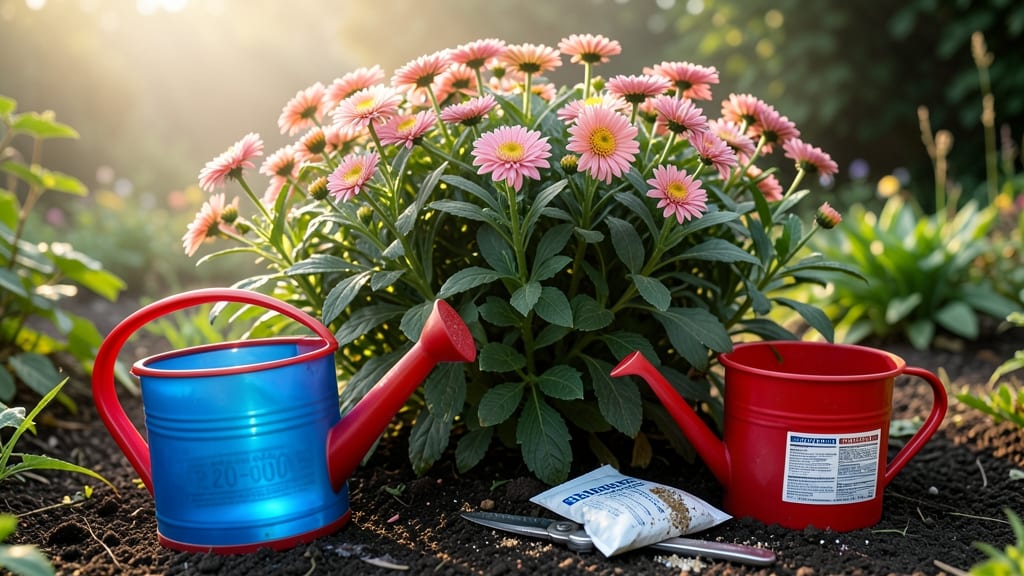
To get mums to bloom faster, focus on light, deadheading, and a few simple tricks that cut weeks off your wait time.
Frustrated by mums that take forever to bloom? With the right light, deadheading, and care techniques, you can accelerate those vibrant flowers by weeks—even in your own backyard.
Chrysanthemums 🌼 thrive in full sun, but too much shade or inconsistent watering slows them down. I’ll show you how to tweak just a few things—like when to prune and which fertilizer to use—to trigger blooms faster than ever.
By the end, you’ll know exactly how to coax those cheerful blooms ahead of schedule, whether you’re dealing with leggy stems or stubborn buds that refuse to open.
Optimal light conditions to trigger faster mum blooms
If your chrysanthemums are taking forever to bloom, the issue might be light exposure. These vibrant flowers thrive on sunlight, but too little or too much can delay blooming. I’ve learned that 6+ hours of direct sun is the magic number for speeding up those colorful blooms.
Without enough light, your mums will focus on foliage instead of flowers, leaving you waiting weeks longer for those cheerful faces in your garden.
Most gardeners assume full sun means any sunny spot, but the intensity and duration matter just as much. For example, a south-facing garden bed gets stronger afternoon sun, which can actually stress mums if they’re not acclimated.
Start by placing them where they receive morning sun and gradual afternoon exposure to avoid leaf scorch while still encouraging blooms.
Here’s the tricky part: partial shade can work in hot climates, but it slows down blooming. If you’re in Zone 7 or warmer, aim for 4-6 hours of sun with afternoon shade.
In cooler zones, full sun all day is ideal. I’ve seen mums in partial shade bloom 3-4 weeks later than those in full sun—so placement is everything.
Seasonal adjustments are key to keeping your mums on track. In spring, when days are shorter, supplement with a grow light for 2-3 extra hours if needed. I’ve used a simple LED grow bulb on a timer, and it cut bloom time by nearly half.
For fall-blooming mums, extend sunlight exposure by pruning nearby trees or moving containers to sunnier spots as summer fades.
Watch for signs your mums aren’t getting enough light: long, leggy stems or small, sparse blooms are red flags. If you notice these, move your plants to a sunnier location immediately. Even 1 extra hour of sun per day can make a noticeable difference in bloom speed.
I once had a batch of mums that took 8 weeks to bloom—until I moved them to a south-facing window, and they bloomed in just 3 weeks!
For container-grown mums, reflective surfaces like white walls or mulch can bounce extra light onto your plants, effectively giving them more sunlight. Place your pots on a light-colored tray or near a mirror to maximize exposure.
This trick works especially well for balcony gardens where space is limited but sunlight is abundant.
If you’re in a high-altitude area, UV intensity is stronger, so provide afternoon shade to prevent leaf burn while still ensuring morning sun. I’ve tested this with my Denver-grown mums, and they bloom 2 weeks earlier when shaded after noon.
Always monitor your plants’ reaction to light—adjust as needed based on leaf color and growth patterns.
One common mistake is assuming more sun is always better. While mums love sunlight, intense afternoon heat can stress them, leading to delayed blooming. If your garden gets hotter than 90°F, provide light shade cloth (30-50% coverage) to filter harsh rays while still allowing plenty of light through.
This balance is crucial for consistent blooming.
Finally, don’t forget to rotate your mums every few days if they’re in containers. Plants lean toward sunlight, which can create uneven growth. A simple quarter-turn weekly ensures all sides get equal light, promoting bushier, more productive plants with faster blooms.
It’s a small effort that pays off big time in your garden’s appearance and performance.
With the right light conditions, your mums can go from leafy stalks to vibrant blooms in record time. Start with full sun, adjust for your climate, and watch those flowers light up your garden sooner than ever! 🌼☀️
Deadheading & pruning techniques for instant bloom acceleration
Want your chrysanthemums to burst into color weeks sooner? The secret lies in deadheading and pruning—two simple techniques that redirect energy from fading blooms to fresh growth. By removing spent flowers and shaping your plants strategically, you’ll encourage bushier foliage and accelerated blooming.
Let’s dive into the exact steps to transform your mums into a nonstop floral display.
Timing is everything when it comes to deadheading mums. Start as soon as blooms fade—don’t wait until they turn brown or seed pods form. This prevents your plant from wasting energy on seed production and instead focuses it on producing new buds.
For pruning, the best time is early spring or right after your mums finish blooming in fall. This ensures your plants enter their next growth cycle strong and ready to flower faster.
Step-by-Step Guide to Faster Mum Blooms
-
Step 1: Deadhead Spent Blooms
Use clean, sharp pruning shears to snip off faded flowers just above a set of leaves or leaf node. This encourages the plant to redirect energy to new growth. -
Step 2: Prune for Bushier Growth
Cut back 1/3 of the plant’s height in early spring to promote branching. Focus on removing tall, leggy stems to encourage a fuller, more compact shape. -
Step 3: Fertilize After Pruning
Apply a balanced fertilizer (10-10-10) or one high in phosphorus (5-10-5) to support root and flower development. Do this 2-3 weeks after pruning for best results. -
Step 4: Pinch Back New Growth
Once your mums sprout new growth, pinch back the tips of new shoots to encourage more branches. This creates a bushier plant with more blooms over time. -
Step 5: Repeat Deadheading Weekly
Check your mums every 5-7 days and deadhead any spent blooms. Consistency is key to keeping your plants producing fresh flowers all season.
Don’t forget to water deeply after pruning to help your mums recover. Aim for 1-1.5 inches of water per week, especially during hot summer months. This keeps the soil moist but not soggy, which is crucial for root health and faster blooming.
For extra speed, consider transplanting your mums to a sunnier location if they’re currently in shade. Mums thrive in full sun (6+ hours daily), and more light means faster growth and earlier blooms.
If your garden doesn’t get enough sun, a reflective surface like white gravel can help bounce extra light onto your plants.
With these techniques, your mums could start blooming 2-4 weeks earlier than usual. The key is consistency—deadhead regularly, prune at the right times, and give your plants the nutrients they need. Your garden will thank you with a longer, more vibrant bloom season! 🌼✂️