
Blooming
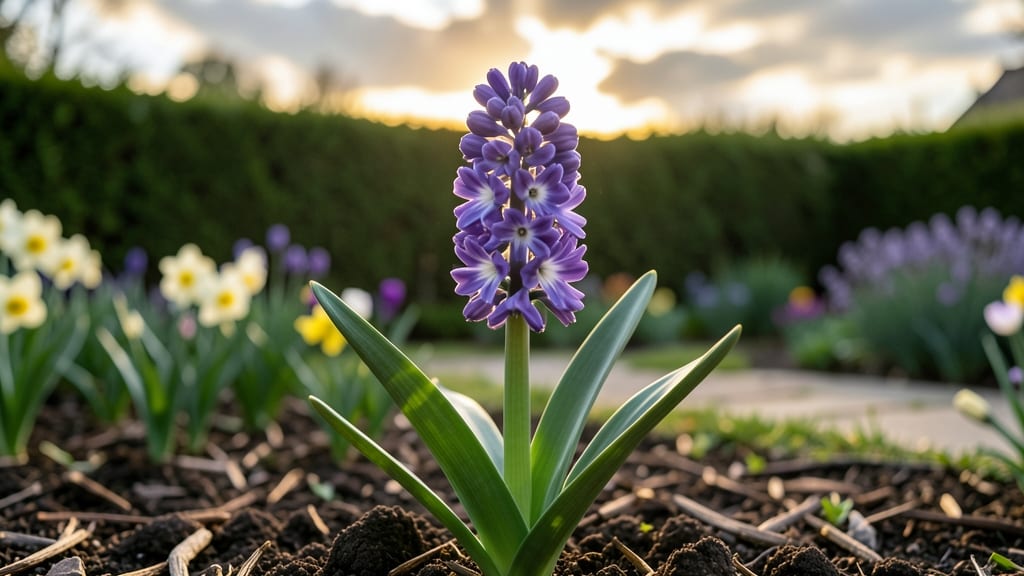
Hyacinths bloom in late winter to early spring 🌷, turning your garden into a fragrant masterpiece—but timing varies wildly depending on variety and care.
If you’ve ever wondered why your hyacinth bulbs bloom at different times—or why some varieties fill your garden with fragrance while others barely open—understanding their bloom cycles is the key to planning a show-stopping spring display.
Most gardeners in USDA Zone 6a plant hyacinths in fall (September–November), setting the stage for blooms between March and April. But cooler climates may delay them until May, while warmer regions could see earlier flowers as soon as February.
In this guide, you’ll learn how to predict your hyacinth’s peak bloom time by variety, adjust for your local climate, and even extend the season with simple tricks—so you can enjoy that sweet fragrance for weeks longer.
Hyacinth bloom time by variety: when to expect fragrance peaks
Timing your hyacinth blooms is like planning a spring symphony—each variety plays its part at a different tempo. Knowing when to expect those fragrant spikes lets you create a staggered garden display that lasts from late winter through early spring.
The key lies in understanding how early, mid, and late-season varieties align with your local climate, especially when comparing northern hardiness to southern mild winters.
For gardeners in USDA Zones 3-5, most hyacinths bloom between March and April, while those in Zones 7-9 may start as early as February. The difference? Warmer winters trigger earlier growth, but cooler soils can delay emergence.
Let’s break down the top 10 varieties and their predictable bloom windows so you can plan your garden’s fragrance calendar with precision.